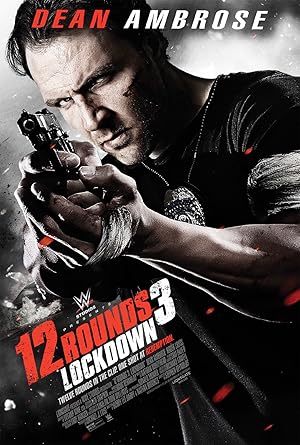
12 Rounds 3: Lockdown
Lockdown Follows a police officer who returns to duty after recovering from a gun shot wound to discover incriminating evidence of illegal activities against those closest to him. He quickly finds himself trapped inside his own precinct, hunted and in search of the truth, as the crooked cops stop at nothing to recover the evidence.


Plot Structure
Story beats plotted across runtime


Narrative Arc
Emotional journey through the story's key moments
Story Circle
Blueprint 15-beat structure
Arcplot Score Breakdown
Weighted: Precision (70%) + Arc (15%) + Theme (15%)
12 Rounds 3: Lockdown (2015) showcases precise story structure, characteristic of Stephen Reynolds's storytelling approach. This structural analysis examines how the film's 15-point plot structure maps to proven narrative frameworks across 1 hour and 30 minutes. With an Arcplot score of 7.1, the film balances conventional beats with creative variation.
Structural Analysis
The Status Quo at 1 minutes (1% through the runtime) establishes Detective John Shaw is an honest cop working in a precinct surrounded by corruption, shown as a decent man trying to do the right thing in a compromised system.. The analysis reveals that this early placement immediately immerses viewers in the story world.
The inciting incident occurs at 11 minutes when Shaw witnesses his partner murder a suspect to cover up evidence, and realizes the corruption goes deeper than he thought. He obtains incriminating evidence against corrupt officers.. At 12% through the film, this Disruption aligns precisely with traditional story structure. This beat shifts the emotional landscape, launching the protagonist into the central conflict.
The First Threshold at 23 minutes marks the transition into Act II, occurring at 25% of the runtime. This indicates the protagonist's commitment to Shaw makes the active choice to fight back and survive the night, refusing to hand over the evidence. He arms himself and begins evading the corrupt cops hunting him., moving from reaction to action.
At 45 minutes, the Midpoint arrives at 50% of the runtime—precisely centered, creating perfect narrative symmetry. Structural examination shows that this crucial beat Shaw discovers the corruption involves the precinct captain and extends to even more officers than he realized. The stakes raise as he learns they'll kill everyone in the building to cover their tracks., fundamentally raising what's at risk. The emotional intensity shifts, dividing the narrative into clear before-and-after phases.
The Collapse moment at 68 minutes (75% through) represents the emotional nadir. Here, Shaw is captured and beaten by the corrupt officers. His evidence is nearly destroyed, and they prepare to execute him and make it look like suicide. All seems lost., shows the protagonist at their lowest point. This beat's placement in the final quarter sets up the climactic reversal.
The Second Threshold at 72 minutes initiates the final act resolution at 80% of the runtime. Shaw breaks free using a hidden backup plan, realizing he must fully commit to exposing the corruption no matter the cost. Jenny confirms backup evidence has been transmitted outside., demonstrating the transformation achieved throughout the journey.
Emotional Journey
12 Rounds 3: Lockdown's emotional architecture traces a deliberate progression across 15 carefully calibrated beats.
Narrative Framework
This structural analysis employs structural analysis methodology used to understand storytelling architecture. By mapping 12 Rounds 3: Lockdown against these established plot points, we can identify how Stephen Reynolds utilizes or subverts traditional narrative conventions. The plot point approach reveals not only adherence to structural principles but also creative choices that distinguish 12 Rounds 3: Lockdown within the action genre.
Comparative Analysis
Additional action films include The Bad Guys, Puss in Boots and Venom: The Last Dance.
Plot Points by Act
Act I
SetupStatus Quo
Detective John Shaw is an honest cop working in a precinct surrounded by corruption, shown as a decent man trying to do the right thing in a compromised system.
Theme
Shaw's partner tells him "Sometimes you have to bend the rules to get justice," foreshadowing the film's exploration of moral compromise and institutional corruption.
Worldbuilding
Establishment of the precinct's corrupt culture, Shaw's relationships with fellow officers, and the discovery of evidence pointing to dirty cops involved in criminal activity.
Disruption
Shaw witnesses his partner murder a suspect to cover up evidence, and realizes the corruption goes deeper than he thought. He obtains incriminating evidence against corrupt officers.
Resistance
Shaw debates what to do with the evidence as corrupt cops realize he has it. The precinct goes into lockdown, trapping Shaw inside with officers who want him dead.
Act II
ConfrontationFirst Threshold
Shaw makes the active choice to fight back and survive the night, refusing to hand over the evidence. He arms himself and begins evading the corrupt cops hunting him.
Mirror World
Shaw connects with Jenny, a 911 dispatcher outside the building, who becomes his lifeline and represents the moral support he needs to stay honest and alive.
Premise
The cat-and-mouse game inside the locked-down precinct. Shaw uses his knowledge of the building to evade dirty cops, setting traps and fighting through twelve rounds of escalating confrontations.
Midpoint
Shaw discovers the corruption involves the precinct captain and extends to even more officers than he realized. The stakes raise as he learns they'll kill everyone in the building to cover their tracks.
Opposition
The corrupt cops close in, cutting off Shaw's escape routes. He's wounded, running out of ammunition and options. They frame him as the bad guy to outside authorities.
Collapse
Shaw is captured and beaten by the corrupt officers. His evidence is nearly destroyed, and they prepare to execute him and make it look like suicide. All seems lost.
Crisis
Shaw's darkest moment as he faces execution, questioning whether fighting corruption was worth dying for, processing the betrayal of his brothers in blue.
Act III
ResolutionSecond Threshold
Shaw breaks free using a hidden backup plan, realizing he must fully commit to exposing the corruption no matter the cost. Jenny confirms backup evidence has been transmitted outside.
Synthesis
Shaw fights through the final corrupt officers, combining his tactical skills with moral conviction. The final confrontation with the captain, external authorities arrive, and the truth is revealed.
Transformation
Shaw emerges from the precinct battered but vindicated. He has proven that one honest cop can make a difference, transformed from someone who questioned the system to someone who fought to fix it.