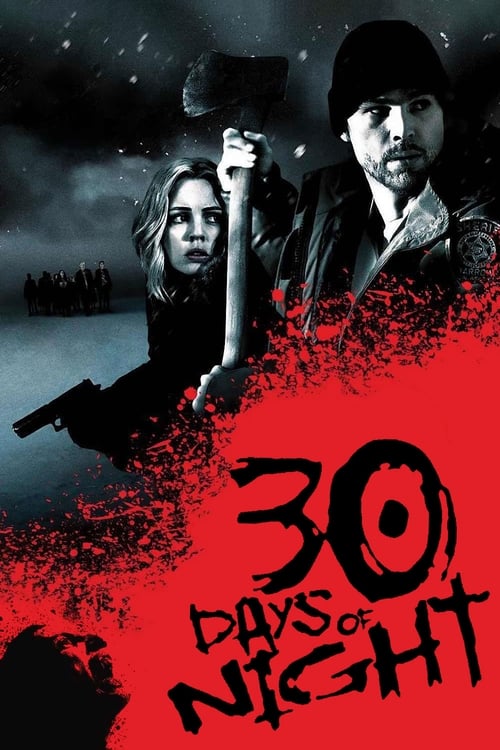
30 Days of Night
This is the story of an isolated Alaskan town that is plunged into darkness for a month each year when the sun sinks below the horizon. As the last rays of light fade, the town is attacked by a bloodthirsty gang of vampires bent on an uninterrupted orgy of destruction. Only the small town's husband-and-wife Sheriff team stand between the survivors and certain destruction.
Despite a respectable budget of $30.0M, 30 Days of Night became a solid performer, earning $80.3M worldwide—a 168% return.


Plot Structure
Story beats plotted across runtime


Narrative Arc
Emotional journey through the story's key moments
Story Circle
Blueprint 15-beat structure
Arcplot Score Breakdown
Weighted: Precision (70%) + Arc (15%) + Theme (15%)
30 Days of Night (2007) showcases meticulously timed plot construction, characteristic of David Slade's storytelling approach. This structural analysis examines how the film's 15-point plot structure maps to proven narrative frameworks across 1 hour and 53 minutes. With an Arcplot score of 7.1, the film balances conventional beats with creative variation.
Characters
Cast & narrative archetypes

Eben Oleson
Stella Oleson
Marlow
Beau Brower
Jake Oleson
Beau
Main Cast & Characters
Eben Oleson
Played by Josh Hartnett
Sheriff of Barrow, Alaska who leads survivors against vampires during the polar night. Resourceful and protective, willing to make ultimate sacrifices.
Stella Oleson
Played by Melissa George
Fire marshal and Eben's estranged wife who becomes trapped in Barrow. Smart and resilient survivor who must reconcile with her husband while fighting to stay alive.
Marlow
Played by Danny Huston
Ancient and ruthless vampire leader who orchestrates the attack on Barrow. Merciless predator who sees humans as livestock.
Beau Brower
Played by Ben Foster
Drifter who sabotages Barrow's communications and transportation to trap residents for the vampires. Disturbed human collaborator.
Jake Oleson
Played by Ben Cotton
Eben's younger brother who helps defend the survivors. Loyal and brave despite being younger and less experienced.
Beau
Played by Mark Boone Junior
Local resident who survives the initial attack and joins the group in hiding. Practical and helps maintain morale.
Structural Analysis
The Status Quo at 2 minutes (2% through the runtime) establishes Barrow, Alaska prepares for its annual 30-day polar night. Sheriff Eben Oleson maintains order in the isolated town as residents either bunker down or evacuate. His estranged wife Stella has missed the last plane out.. Notably, this early placement immediately immerses viewers in the story world.
The inciting incident occurs at 13 minutes when The sun sets and vampires led by Marlow descend on Barrow in a brutal massacre. The status quo is violently shattered as the creatures begin systematically slaughtering the townspeople in a coordinated attack.. At 11% through the film, this Disruption aligns precisely with traditional story structure. This beat shifts the emotional landscape, launching the protagonist into the central conflict.
The First Threshold at 28 minutes marks the transition into Act II, occurring at 25% of the runtime. This indicates the protagonist's commitment to Eben makes the active choice to lead the survivors to the attic of the diner, committing to a 30-day siege strategy. He accepts responsibility as protector and shifts from reactive sheriff to active resistance leader., moving from reaction to action.
At 57 minutes, the Midpoint arrives at 50% of the runtime—precisely centered, creating perfect narrative symmetry. Structural examination shows that this crucial beat The vampires discover the survivors' hiding place is compromised. A young girl in the group is revealed to be turning into a vampire. The false security of their hideout is shattered - they must move, and the stakes escalate from "hide and survive" to "we're being hunted."., fundamentally raising what's at risk. The emotional intensity shifts, dividing the narrative into clear before-and-after phases.
The Collapse moment at 84 minutes (74% through) represents the emotional nadir. Here, The vampires find the survivors' final hideout. Most of the remaining group is killed in brutal fashion. Eben and Stella are separated and cornered. Beau, Eben's mentor figure, sacrifices himself. All hope of surviving through hiding is dead., reveals the protagonist at their lowest point. This beat's placement in the final quarter sets up the climactic reversal.
The Second Threshold at 90 minutes initiates the final act resolution at 80% of the runtime. Eben injects himself with infected vampire blood, choosing to become the thing he's fought against to gain the power to protect what he loves. He synthesizes the lesson: true love requires ultimate sacrifice, embracing darkness to preserve light., demonstrating the transformation achieved throughout the journey.
Emotional Journey
30 Days of Night's emotional architecture traces a deliberate progression across 15 carefully calibrated beats.
Narrative Framework
This structural analysis employs a 15-point narrative structure framework that maps key story moments. By mapping 30 Days of Night against these established plot points, we can identify how David Slade utilizes or subverts traditional narrative conventions. The plot point approach reveals not only adherence to structural principles but also creative choices that distinguish 30 Days of Night within the horror genre.
David Slade's Structural Approach
Among the 3 David Slade films analyzed on Arcplot, the average structural score is 7.2, reflecting strong command of classical structure. 30 Days of Night takes a more unconventional approach compared to the director's typical style. For comparative analysis, explore the complete David Slade filmography.
Comparative Analysis
Additional horror films include Thinner, A Nightmare on Elm Street and Mary Reilly. For more David Slade analyses, see The Twilight Saga: Eclipse, Hard Candy.
Plot Points by Act
Act I
SetupStatus Quo
Barrow, Alaska prepares for its annual 30-day polar night. Sheriff Eben Oleson maintains order in the isolated town as residents either bunker down or evacuate. His estranged wife Stella has missed the last plane out.
Theme
Stella to Eben about their separation: "Sometimes you have to go through darkness to appreciate the light." The theme of survival requiring sacrifice and facing darkness together is established.
Worldbuilding
Introduction to Barrow's unique situation: total isolation, no sunlight for 30 days, limited communication. Strange incidents occur - cell phones destroyed, sled dogs slaughtered. Eben and Stella's strained relationship established. The Stranger arrives and is arrested for suspicious behavior.
Disruption
The sun sets and vampires led by Marlow descend on Barrow in a brutal massacre. The status quo is violently shattered as the creatures begin systematically slaughtering the townspeople in a coordinated attack.
Resistance
Eben and Stella witness the carnage and struggle to comprehend what's happening. They debate whether to run or hide. Eben gathers survivors and makes the decision to hide rather than flee into the wilderness. They take refuge in various locations, learning the vampires' patterns.
Act II
ConfrontationFirst Threshold
Eben makes the active choice to lead the survivors to the attic of the diner, committing to a 30-day siege strategy. He accepts responsibility as protector and shifts from reactive sheriff to active resistance leader.
Mirror World
Eben and Stella begin working together again despite their separation. Their rekindled partnership represents the thematic truth: survival and meaning come from connection and sacrifice, not isolation and self-preservation.
Premise
The promise of the premise: surviving 30 days of vampire siege. The group hides in the attic, rationing food and staying silent. They witness vampire brutality below. Time-lapse sequences show days passing. Small victories (finding supplies) and losses (deaths of group members) accumulate.
Midpoint
The vampires discover the survivors' hiding place is compromised. A young girl in the group is revealed to be turning into a vampire. The false security of their hideout is shattered - they must move, and the stakes escalate from "hide and survive" to "we're being hunted."
Opposition
The survivors are forced to relocate multiple times. Marlow becomes aware of organized resistance and intensifies the hunt. The group splinters and dwindles. Paranoia, starvation, and desperation set in. The vampires systematically eliminate hiding places and survivors.
Collapse
The vampires find the survivors' final hideout. Most of the remaining group is killed in brutal fashion. Eben and Stella are separated and cornered. Beau, Eben's mentor figure, sacrifices himself. All hope of surviving through hiding is dead.
Crisis
Eben faces his darkest moment alone, knowing they cannot hide any longer and cannot fight. He realizes the only way to save Stella and defeat Marlow is ultimate sacrifice. He processes what he must give up.
Act III
ResolutionSecond Threshold
Eben injects himself with infected vampire blood, choosing to become the thing he's fought against to gain the power to protect what he loves. He synthesizes the lesson: true love requires ultimate sacrifice, embracing darkness to preserve light.
Synthesis
Eben, now a vampire, confronts and defeats Marlow in savage combat. He eliminates the remaining vampires. The sun begins to rise as the 30 days end. Eben reunites with Stella one final time, knowing he cannot survive the sunrise.
Transformation
Eben and Stella watch the sunrise together. He burns in the light while she holds him, their love reconciled through sacrifice. The closing image mirrors the opening darkness with light, but Eben has been transformed from lawman preserving order to martyr who gave everything.