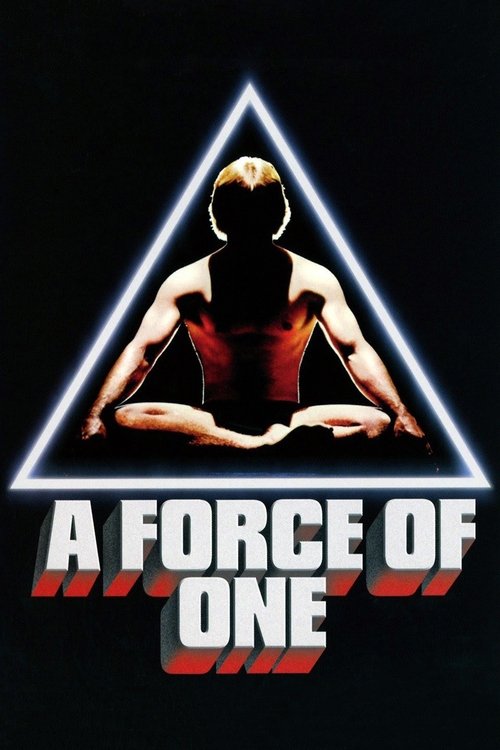
A Force of One
Karate champion Matt Logan is enlisted by the police to train officers in self-defense after narcotics agents are killed by an assailant using the martial arts.
Despite its small-scale budget of $3.5M, A Force of One became a financial success, earning $20.2M worldwide—a 476% return. The film's innovative storytelling found its audience, illustrating how strong storytelling can transcend budget limitations.


Plot Structure
Story beats plotted across runtime


Narrative Arc
Emotional journey through the story's key moments
Story Circle
Blueprint 15-beat structure
Arcplot Score Breakdown
Weighted: Precision (70%) + Arc (15%) + Theme (15%)
A Force of One (1979) reveals meticulously timed narrative architecture, characteristic of Paul Aaron's storytelling approach. This structural analysis examines how the film's 15-point plot structure maps to proven narrative frameworks across 1 hour and 30 minutes. With an Arcplot score of 7.3, the film balances conventional beats with creative variation.
Characters
Cast & narrative archetypes

Matt Logan
Mandy Rust
Dunne
Sparks
Charlie
Rollins
Main Cast & Characters
Matt Logan
Played by Chuck Norris
A karate champion and martial arts instructor who helps police solve undercover agent murders.
Mandy Rust
Played by Jennifer O'Neill
A determined narcotics detective investigating the deaths of undercover officers.
Dunne
Played by Clu Gulager
The police captain overseeing the investigation into the murdered undercover agents.
Sparks
Played by Bill Wallace
A corrupt narcotics officer and former martial artist who is the true killer.
Charlie
Played by Eric Laneuville
Matt Logan's adopted son and karate student with developmental challenges.
Rollins
Played by Ron O'Neal
A drug kingpin operating in the area targeted by the police investigation.
Structural Analysis
The Status Quo at 1 minutes (1% through the runtime) establishes Matt Logan training students in karate, established as a champion fighter and respected instructor living a disciplined life dedicated to martial arts.. Notably, this early placement immediately immerses viewers in the story world.
The inciting incident occurs at 10 minutes when Police detectives, led by Mandy Rust, discover another undercover officer killed using sophisticated martial arts techniques, revealing a dangerous intersection between the drug trade and deadly fighting skills.. At 11% through the film, this Disruption aligns precisely with traditional story structure. This beat shifts the emotional landscape, launching the protagonist into the central conflict.
The First Threshold at 22 minutes marks the transition into Act II, occurring at 25% of the runtime. This reveals the protagonist's commitment to Matt actively agrees to train the narcotics team and help investigate the murders, committing himself to using his skills to protect others and entering the dangerous world of the drug investigation., moving from reaction to action.
At 46 minutes, the Midpoint arrives at 51% of the runtime—precisely centered, creating perfect narrative symmetry. Notably, this crucial beat Matt discovers the murders are connected to a larger drug operation and realizes the killer may be someone within the martial arts community itself - the stakes raise as the threat becomes personal and close to home., fundamentally raising what's at risk. The emotional intensity shifts, dividing the narrative into clear before-and-after phases.
The Collapse moment at 67 minutes (74% through) represents the emotional nadir. Here, Someone close to Matt is killed or seriously endangered by the martial arts assassin; the whiff of death as Matt realizes his involvement has put innocent people at risk; his two worlds collide with devastating consequences., illustrates the protagonist at their lowest point. This beat's placement in the final quarter sets up the climactic reversal.
The Second Threshold at 72 minutes initiates the final act resolution at 80% of the runtime. Matt learns the killer's true identity and location; armed with new resolve, he synthesizes his fighting skills with his sense of justice, choosing to face the antagonist directly to end the threat once and for all., demonstrating the transformation achieved throughout the journey.
Emotional Journey
A Force of One's emotional architecture traces a deliberate progression across 15 carefully calibrated beats.
Narrative Framework
This structural analysis employs systematic plot point analysis that identifies crucial turning points. By mapping A Force of One against these established plot points, we can identify how Paul Aaron utilizes or subverts traditional narrative conventions. The plot point approach reveals not only adherence to structural principles but also creative choices that distinguish A Force of One within the action genre.
Comparative Analysis
Additional action films include The Bad Guys, Puss in Boots and Venom: The Last Dance.
Plot Points by Act
Act I
SetupStatus Quo
Matt Logan training students in karate, established as a champion fighter and respected instructor living a disciplined life dedicated to martial arts.
Theme
Discussion about discipline and using strength to protect others, not for personal gain - establishing the film's thematic core about the responsibility that comes with power.
Worldbuilding
Introduction of Matt's world: his karate school, his adopted son Charlie, his tournament fighting career, and the local narcotics investigation team dealing with a series of mysterious undercover cop murders.
Disruption
Police detectives, led by Mandy Rust, discover another undercover officer killed using sophisticated martial arts techniques, revealing a dangerous intersection between the drug trade and deadly fighting skills.
Resistance
Mandy approaches Matt for help training officers in self-defense; Matt initially resists getting involved in police work, preferring to focus on his students and upcoming championship bout, but gradually sees the moral imperative.
Act II
ConfrontationFirst Threshold
Matt actively agrees to train the narcotics team and help investigate the murders, committing himself to using his skills to protect others and entering the dangerous world of the drug investigation.
Mirror World
Development of the relationship between Matt and Mandy deepens; she represents a world beyond the dojo - one of duty, sacrifice, and using skills for the greater good rather than personal glory.
Premise
Matt trains the officers while investigating the murders; action sequences of training montages, tournament preparation, and gathering clues about the killer's identity; the fun martial arts sequences the audience came for.
Midpoint
Matt discovers the murders are connected to a larger drug operation and realizes the killer may be someone within the martial arts community itself - the stakes raise as the threat becomes personal and close to home.
Opposition
The investigation intensifies; more officers are endangered; Matt must balance his championship fight preparation with protecting his students and Mandy; the antagonist becomes more aggressive and dangerous.
Collapse
Someone close to Matt is killed or seriously endangered by the martial arts assassin; the whiff of death as Matt realizes his involvement has put innocent people at risk; his two worlds collide with devastating consequences.
Crisis
Matt questions whether he should have stayed out of it; emotional darkness as he processes the loss and confronts the weight of his decision to get involved; Mandy helps him see that walking away now would make the sacrifice meaningless.
Act III
ResolutionSecond Threshold
Matt learns the killer's true identity and location; armed with new resolve, he synthesizes his fighting skills with his sense of justice, choosing to face the antagonist directly to end the threat once and for all.
Synthesis
Final confrontation combining tournament fight and showdown with the killer; Matt uses both his championship-level martial arts skills and the lessons about fighting for others, not glory; climactic battle that resolves both plot threads.
Transformation
Matt returns to his dojo, now transformed from a fighter focused on personal achievement to a mentor who understands the true purpose of martial arts - protecting the innocent and serving the greater good.