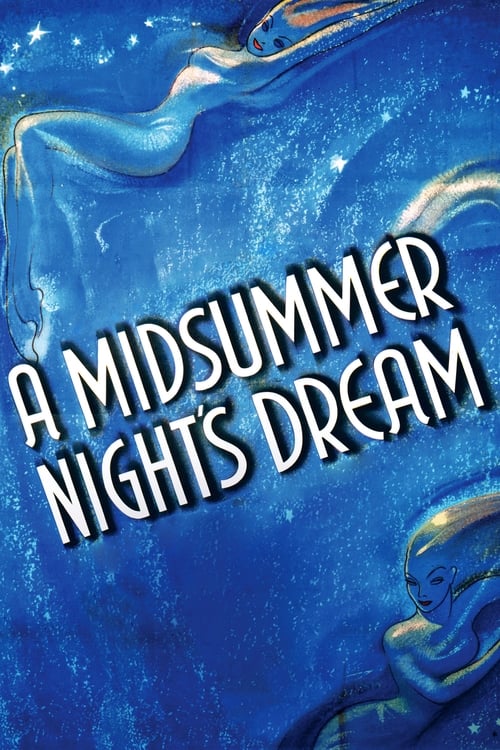
A Midsummer Night's Dream
Four young people escape Athens to a forest where the king and queen of the fairies are quarreling, while meanwhile, a troupe of amateur actors rehearses a play. When the fairy Puck uses a magic flower to make people fall in love, the whole thing becomes a little bit confused...
The film earned $25.0M at the global box office.


Plot Structure
Story beats plotted across runtime


Narrative Arc
Emotional journey through the story's key moments
Story Circle
Blueprint 15-beat structure
Arcplot Score Breakdown
Weighted: Precision (70%) + Arc (15%) + Theme (15%)
A Midsummer Night's Dream (1935) reveals deliberately positioned plot construction, characteristic of William Dieterle's storytelling approach. This structural analysis examines how the film's 15-point plot structure maps to proven narrative frameworks across 2 hours and 23 minutes. With an Arcplot score of 6.8, the film balances conventional beats with creative variation.
Characters
Cast & narrative archetypes
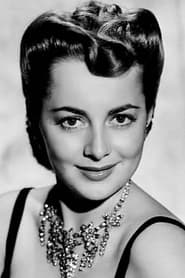
Hermia
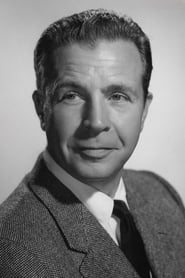
Lysander
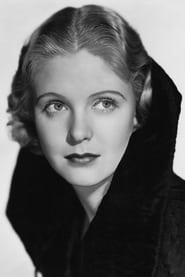
Helena
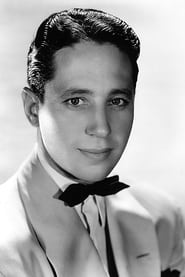
Demetrius
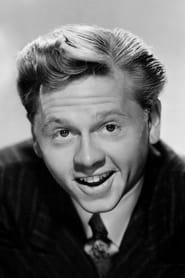
Puck
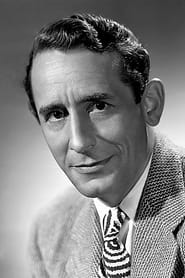
Oberon

Titania
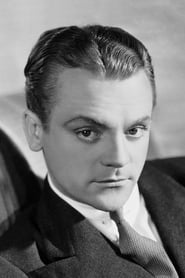
Bottom
Main Cast & Characters
Hermia
Played by Olivia de Havilland
A young Athenian woman in love with Lysander, defying her father's wishes to marry Demetrius.
Lysander
Played by Dick Powell
A young Athenian nobleman in love with Hermia, willing to elope with her to escape arranged marriage.
Helena
Played by Jean Muir
Hermia's friend, desperately in love with Demetrius despite his rejection of her.
Demetrius
Played by Ross Alexander
An Athenian nobleman who pursues Hermia despite Helena's devotion to him.
Puck
Played by Mickey Rooney
A mischievous fairy servant to Oberon, causing chaos with magic and mistaken identities.
Oberon
Played by Victor Jory
The King of the Fairies, seeking to manipulate affairs in the forest with fairy magic.
Titania
Played by Anita Louise
The Queen of the Fairies, enchanted to fall in love with Bottom as part of Oberon's scheme.
Bottom
Played by James Cagney
A weaver and amateur actor, transformed into a donkey and beloved by the enchanted Titania.
Structural Analysis
The Status Quo at 1 minutes (1% through the runtime) establishes The court of Duke Theseus in Athens celebrates his upcoming wedding to Hippolyta, establishing a world of order, authority, and romantic anticipation.. Significantly, this early placement immediately immerses viewers in the story world.
The inciting incident occurs at 17 minutes when Egeus brings Hermia before Theseus and demands she marry Demetrius or die. This ultimatum disrupts all sense of safety and forces Hermia and Lysander to plan their escape into the enchanted forest.. At 12% through the film, this Disruption aligns precisely with traditional story structure. This beat shifts the emotional landscape, launching the protagonist into the central conflict.
The First Threshold at 36 minutes marks the transition into Act II, occurring at 25% of the runtime. This demonstrates the protagonist's commitment to The four Athenian lovers enter the enchanted forest at night, crossing from the rational world of Athens into the irrational realm of the fairies where Oberon and Titania rule and magic transforms all certainties., moving from reaction to action.
At 72 minutes, the Midpoint arrives at 50% of the runtime—precisely centered, creating perfect narrative symmetry. Structural examination shows that this crucial beat Puck mistakenly enchants Lysander instead of Demetrius, causing Lysander to abandon Hermia and pursue Helena. This false defeat compounds when Oberon's spell on Demetrius creates two suitors for Helena and none for Hermia, inverting all relationships catastrophically., fundamentally raising what's at risk. The emotional intensity shifts, dividing the narrative into clear before-and-after phases.
The Collapse moment at 107 minutes (75% through) represents the emotional nadir. Here, The four lovers reach their lowest point: Hermia and Helena's lifelong friendship is destroyed by mutual accusations of betrayal; Lysander and Demetrius prepare to duel to the death over Helena. Love has become indistinguishable from hatred and madness., reveals the protagonist at their lowest point. This beat's placement in the final quarter sets up the climactic reversal.
The Second Threshold at 114 minutes initiates the final act resolution at 80% of the runtime. Puck leads the lovers through fog to sleep near each other and applies the antidote to Lysander's eyes. Oberon releases Titania from her spell. As dawn breaks, the mortals will wake with love properly restored, able to return to Athens transformed., demonstrating the transformation achieved throughout the journey.
Emotional Journey
A Midsummer Night's Dream's emotional architecture traces a deliberate progression across 15 carefully calibrated beats.
Narrative Framework
This structural analysis employs structural analysis methodology used to understand storytelling architecture. By mapping A Midsummer Night's Dream against these established plot points, we can identify how William Dieterle utilizes or subverts traditional narrative conventions. The plot point approach reveals not only adherence to structural principles but also creative choices that distinguish A Midsummer Night's Dream within the fantasy genre.
William Dieterle's Structural Approach
Among the 2 William Dieterle films analyzed on Arcplot, the average structural score is 6.8, demonstrating varied approaches to story architecture. A Midsummer Night's Dream exemplifies the director's characteristic narrative technique. For comparative analysis, explore the complete William Dieterle filmography.
Comparative Analysis
Additional fantasy films include Thinner, Ella Enchanted and Conan the Barbarian. For more William Dieterle analyses, see The Hunchback of Notre Dame.
Plot Points by Act
Act I
SetupStatus Quo
The court of Duke Theseus in Athens celebrates his upcoming wedding to Hippolyta, establishing a world of order, authority, and romantic anticipation.
Theme
Theseus proclaims that Hermia must obey her father or face death or lifelong chastity, stating "the course of true love never did run smooth" - establishing that love transcends reason and law.
Worldbuilding
Athens is established as a world of rigid patriarchal law. We meet the four lovers: Hermia loves Lysander but is promised to Demetrius, who is loved by Helena. The mechanicals are introduced planning their play for the Duke's wedding.
Disruption
Egeus brings Hermia before Theseus and demands she marry Demetrius or die. This ultimatum disrupts all sense of safety and forces Hermia and Lysander to plan their escape into the enchanted forest.
Resistance
Lysander and Hermia plan to flee through the forest to his aunt's house. Helena, desperate for Demetrius's love, betrays their plan to him, setting all four lovers on a path into the magical woods. The mechanicals also decide to rehearse in the forest.
Act II
ConfrontationFirst Threshold
The four Athenian lovers enter the enchanted forest at night, crossing from the rational world of Athens into the irrational realm of the fairies where Oberon and Titania rule and magic transforms all certainties.
Mirror World
We fully enter the fairy realm as Oberon and Titania's marital conflict is revealed. Their quarrel over the changeling boy mirrors the human lovers' conflicts, while Puck's chaotic energy introduces the transformative power that will reshape all relationships.
Premise
The promise of magical chaos unfolds: Oberon orders Puck to use the love flower on Titania and the Athenian lovers. The mechanicals rehearse their absurd play. The forest becomes a playground of enchantment, mistaken identities, and comic transformations.
Midpoint
Puck mistakenly enchants Lysander instead of Demetrius, causing Lysander to abandon Hermia and pursue Helena. This false defeat compounds when Oberon's spell on Demetrius creates two suitors for Helena and none for Hermia, inverting all relationships catastrophically.
Opposition
Chaos escalates as both men now pursue Helena while Hermia is abandoned. Titania falls in love with the ass-headed Bottom. The lovers quarrel violently, friendships shatter, and the forest becomes a nightmare of rejection and jealousy.
Collapse
The four lovers reach their lowest point: Hermia and Helena's lifelong friendship is destroyed by mutual accusations of betrayal; Lysander and Demetrius prepare to duel to the death over Helena. Love has become indistinguishable from hatred and madness.
Crisis
Exhausted and lost in darkness, the four lovers wander separately through the forest, each believing themselves utterly alone and betrayed. Oberon realizes Puck's errors have caused too much suffering and commands him to fix the enchantments before dawn.
Act III
ResolutionSecond Threshold
Puck leads the lovers through fog to sleep near each other and applies the antidote to Lysander's eyes. Oberon releases Titania from her spell. As dawn breaks, the mortals will wake with love properly restored, able to return to Athens transformed.
Synthesis
Theseus and Hippolyta discover the sleeping lovers. Demetrius now truly loves Helena; Lysander loves Hermia again. The Duke overrules Egeus and permits both marriages. The court watches Bottom's troupe perform "Pyramus and Thisbe," the tragic story their comedy avoided.
Transformation
The three couples are blessed by the fairies as Oberon, Titania, and Puck consecrate their marriages. The lovers who fled into chaos now rest in harmony, transformed by their night of madness into people who understand that love requires surrender to forces beyond reason.