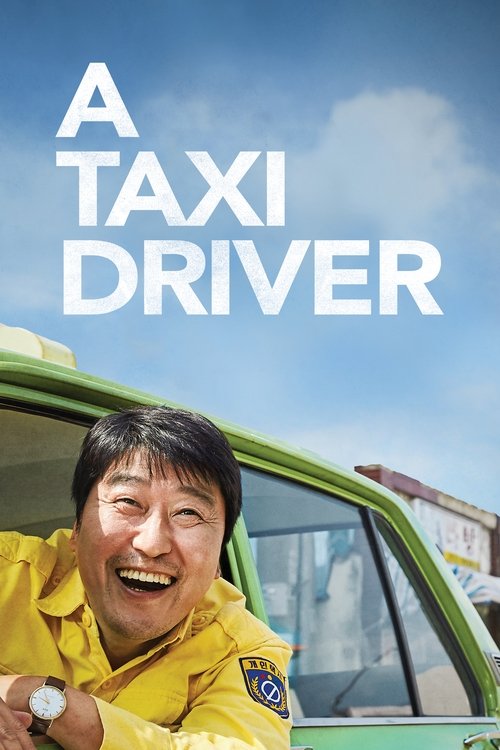
A Taxi Driver
May, 1980. Man-seob is a taxi driver in Seoul who lives from hand to mouth, raising his young daughter alone. One day, he hears that there is a foreigner who will pay big money for a drive down to Gwangju city. Not knowing that he’s a German journalist with a hidden agenda, Man-seob takes the job.
Despite its limited budget of $12.8M, A Taxi Driver became a massive hit, earning $81.9M worldwide—a remarkable 539% return. The film's bold vision connected with viewers, confirming that strong storytelling can transcend budget limitations.
25 wins & 32 nominations


Plot Structure
Story beats plotted across runtime


Narrative Arc
Emotional journey through the story's key moments
Story Circle
Blueprint 15-beat structure
Arcplot Score Breakdown
Weighted: Precision (70%) + Arc (15%) + Theme (15%)
A Taxi Driver (2017) reveals deliberately positioned dramatic framework, characteristic of Jang Hoon's storytelling approach. This structural analysis examines how the film's 15-point plot structure maps to proven narrative frameworks across 2 hours and 18 minutes. With an Arcplot score of 6.7, the film balances conventional beats with creative variation.
Characters
Cast & narrative archetypes

Kim Man-seob
Peter Jürgen Hinzpeter
Hwang Tae-sul
Gu Jae-sik
Main Cast & Characters
Kim Man-seob
Played by Song Kang-ho
An apolitical taxi driver in Seoul who becomes involved in the Gwangju Uprising while transporting a German reporter.
Peter Jürgen Hinzpeter
Played by Thomas Kretschmann
A German journalist determined to document the truth of the Gwangju massacre for the world.
Hwang Tae-sul
Played by Yoo Hai-jin
A Gwangju taxi driver and activist who helps guide Man-seob and Hinzpeter through the dangerous city.
Gu Jae-sik
Played by Ryu Jun-yeol
A student protestor and friend of Tae-sul who witnesses the military violence firsthand.
Structural Analysis
The Status Quo at 1 minutes (1% through the runtime) establishes Kim Man-seob hustles through Seoul in his taxi, focused only on making money to pay his debts and support his young daughter. He is selfish, opportunistic, and deliberately oblivious to the political tensions around him.. Significantly, this early placement immediately immerses viewers in the story world.
The inciting incident occurs at 16 minutes when Man-seob overhears taxi drivers discussing a massive 100,000 won fare to drive a foreigner to Gwangju and back. Seeing an opportunity to solve his money problems, he lies and tricks the other drivers to steal the job for himself.. At 11% through the film, this Disruption aligns precisely with traditional story structure. This beat shifts the emotional landscape, launching the protagonist into the central conflict.
The First Threshold at 36 minutes marks the transition into Act II, occurring at 26% of the runtime. This illustrates the protagonist's commitment to They arrive in Gwangju to find eerily empty streets and heavy military presence. Man-seob wants to leave immediately, but Peter insists on staying. Man-seob chooses to continue, crossing into a world of violence and political awakening he never imagined., moving from reaction to action.
At 73 minutes, the Midpoint arrives at 53% of the runtime—precisely centered, creating perfect narrative symmetry. The analysis reveals that this crucial beat Peter has captured crucial footage of the atrocities. He declares they must get this evidence to the world, and Man-seob agrees to help—his motivation shifting from money to mission. But the military tightens the blockade around Gwangju, raising the stakes dramatically., fundamentally raising what's at risk. The emotional intensity shifts, dividing the narrative into clear before-and-after phases.
The Collapse moment at 104 minutes (75% through) represents the emotional nadir. Here, Trapped in Gwangju, hunted by soldiers, Man-seob sees a wounded young girl who reminds him of his daughter. He witnesses students dying in the streets. The whiff of death is everywhere. He breaks down, fully understanding the horror and his own previous selfishness., reveals the protagonist at their lowest point. This beat's placement in the final quarter sets up the climactic reversal.
The Second Threshold at 110 minutes initiates the final act resolution at 80% of the runtime. The Gwangju taxi drivers, led by Gu Jae-sik, find them and offer help. The community that welcomed Man-seob now risks everything to help them escape. Man-seob synthesizes his old skills (Seoul taxi driving) with his new values (collective sacrifice) and commits to getting the footage out., demonstrating the transformation achieved throughout the journey.
Emotional Journey
A Taxi Driver's emotional architecture traces a deliberate progression across 15 carefully calibrated beats.
Narrative Framework
This structural analysis employs a 15-point narrative structure framework that maps key story moments. By mapping A Taxi Driver against these established plot points, we can identify how Jang Hoon utilizes or subverts traditional narrative conventions. The plot point approach reveals not only adherence to structural principles but also creative choices that distinguish A Taxi Driver within the action genre.
Jang Hoon's Structural Approach
Among the 2 Jang Hoon films analyzed on Arcplot, the average structural score is 7.0, reflecting strong command of classical structure. A Taxi Driver takes a more unconventional approach compared to the director's typical style. For comparative analysis, explore the complete Jang Hoon filmography.
Comparative Analysis
Additional action films include The Bad Guys, Puss in Boots and Venom: The Last Dance. For more Jang Hoon analyses, see The Front Line.
Plot Points by Act
Act I
SetupStatus Quo
Kim Man-seob hustles through Seoul in his taxi, focused only on making money to pay his debts and support his young daughter. He is selfish, opportunistic, and deliberately oblivious to the political tensions around him.
Theme
Another taxi driver or local mentions the rumors about Gwangju, but Man-seob dismisses it: "None of my business. I just need to feed my kid." The theme of individual survival versus collective responsibility is introduced.
Worldbuilding
Seoul in May 1980: Man-seob's daily struggles as a widowed father, his debts to his landlady, his competitive relationship with other taxi drivers. The political climate of martial law is present but background to his personal concerns.
Disruption
Man-seob overhears taxi drivers discussing a massive 100,000 won fare to drive a foreigner to Gwangju and back. Seeing an opportunity to solve his money problems, he lies and tricks the other drivers to steal the job for himself.
Resistance
Man-seob meets Jürgen "Peter" Hinzpeter, the German reporter, and begins the journey to Gwangju. He lies about knowing the route, encounters military checkpoints, and debates turning back multiple times. Peter is evasive about his true intentions. Man-seob only cares about the money.
Act II
ConfrontationFirst Threshold
They arrive in Gwangju to find eerily empty streets and heavy military presence. Man-seob wants to leave immediately, but Peter insists on staying. Man-seob chooses to continue, crossing into a world of violence and political awakening he never imagined.
Mirror World
They meet Hwang Tae-sul, a student activist who becomes their guide and explains the uprising. Man-seob is welcomed and fed by the Gwangju community despite being an outsider from Seoul. This relationship begins to crack his selfish worldview.
Premise
Peter documents the uprising while Man-seob helps navigate and translate. They witness peaceful protests met with brutal military violence, visit overwhelmed hospitals, and see citizens protecting each other. Man-seob meets rival-turned-ally Gu Jae-sik. Despite the horror, Man-seob is touched by the community's humanity and courage.
Midpoint
Peter has captured crucial footage of the atrocities. He declares they must get this evidence to the world, and Man-seob agrees to help—his motivation shifting from money to mission. But the military tightens the blockade around Gwangju, raising the stakes dramatically.
Opposition
The military escalates to mass shootings and total lockdown. Man-seob and Peter witness horrific atrocities, Tae-sul is wounded helping them, the taxi is damaged, and military intelligence identifies them as harboring a foreign journalist. They are actively hunted with no apparent escape route.
Collapse
Trapped in Gwangju, hunted by soldiers, Man-seob sees a wounded young girl who reminds him of his daughter. He witnesses students dying in the streets. The whiff of death is everywhere. He breaks down, fully understanding the horror and his own previous selfishness.
Crisis
Man-seob and Peter hide, seemingly without escape. Man-seob thinks of his daughter, wondering if he'll ever see her again. Peter reveals his own vulnerability: this story must get out or these people died for nothing. In the darkness, Man-seob finds new resolve.
Act III
ResolutionSecond Threshold
The Gwangju taxi drivers, led by Gu Jae-sik, find them and offer help. The community that welcomed Man-seob now risks everything to help them escape. Man-seob synthesizes his old skills (Seoul taxi driving) with his new values (collective sacrifice) and commits to getting the footage out.
Synthesis
The Gwangju taxi convoy creates diversions to smuggle Man-seob and Peter through the blockade. Gu Jae-sik and others are beaten by soldiers while protecting them. An intense highway chase ensues with Man-seob using every driving skill he has. At the final checkpoint, Peter's decoy camera is confiscated while the real film remains hidden. They escape.
Transformation
Back in Seoul, Man-seob watches Peter's broadcast exposing the Gwangju massacre to the world. He reunites emotionally with his daughter, now a changed man who understands that some things matter more than money. The selfish taxi driver has become a hero who helped give voice to the silenced.