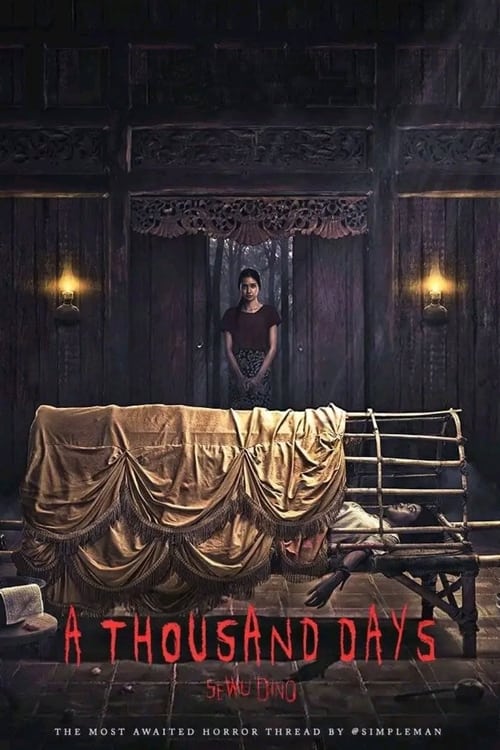
A Thousand Days
Sri accepts a generous job offer and tasked to perform a cleansing ritual for Dela Atmojo, an unconscious girl who is suffering from the hex of 1000-days. The terror begins when her coworker neglects to finish the ritual. Failing to perform until the 1000th day will result in their demise.
Despite its tight budget of $1.2M, A Thousand Days became a financial success, earning $4.5M worldwide—a 267% return. The film's innovative storytelling attracted moviegoers, demonstrating that strong storytelling can transcend budget limitations.


Plot Structure
Story beats plotted across runtime


Narrative Arc
Emotional journey through the story's key moments
Story Circle
Blueprint 15-beat structure
Arcplot Score Breakdown
Weighted: Precision (70%) + Arc (15%) + Theme (15%)
A Thousand Days (2023) reveals strategically placed narrative architecture, characteristic of Kimo Stamboel's storytelling approach. This structural analysis examines how the film's 15-point plot structure maps to proven narrative frameworks across 2 hours and 1 minutes. With an Arcplot score of 7.4, the film balances conventional beats with creative variation.
Structural Analysis
The Status Quo at 1 minutes (1% through the runtime) establishes The protagonist begins their ordinary life, unaware of the transformative journey ahead. The opening establishes their world before everything changes.. Of particular interest, this early placement immediately immerses viewers in the story world.
The inciting incident occurs at 15 minutes when An unexpected event shatters the protagonist's comfortable routine, creating a problem that cannot be ignored. The status quo becomes impossible to maintain.. At 12% through the film, this Disruption aligns precisely with traditional story structure. This beat shifts the emotional landscape, launching the protagonist into the central conflict.
The First Threshold at 30 minutes marks the transition into Act II, occurring at 25% of the runtime. This demonstrates the protagonist's commitment to The protagonist makes an active, irreversible choice to commit to the new path. This decision launches them into Act 2 and the adventure proper begins., moving from reaction to action.
At 61 minutes, the Midpoint arrives at 50% of the runtime—precisely centered, creating perfect narrative symmetry. The analysis reveals that this crucial beat A false victory or apparent success raises the stakes dramatically. The protagonist believes they're winning, but this moment actually marks when the real challenge begins., fundamentally raising what's at risk. The emotional intensity shifts, dividing the narrative into clear before-and-after phases.
The Collapse moment at 91 minutes (75% through) represents the emotional nadir. Here, Everything falls apart. The protagonist experiences their lowest point, a metaphorical or literal death. Hope seems lost and the cost of the journey becomes devastatingly clear., demonstrates the protagonist at their lowest point. This beat's placement in the final quarter sets up the climactic reversal.
The Second Threshold at 97 minutes initiates the final act resolution at 81% of the runtime. New insight or information catalyzes a breakthrough. The protagonist synthesizes lessons from the Mirror World with their original strengths, finding clarity and renewed purpose for the final confrontation., demonstrating the transformation achieved throughout the journey.
Emotional Journey
A Thousand Days's emotional architecture traces a deliberate progression across 15 carefully calibrated beats.
Narrative Framework
This structural analysis employs a 15-point narrative structure framework that maps key story moments. By mapping A Thousand Days against these established plot points, we can identify how Kimo Stamboel utilizes or subverts traditional narrative conventions. The plot point approach reveals not only adherence to structural principles but also creative choices that distinguish A Thousand Days within the horror genre.
Kimo Stamboel's Structural Approach
Among the 2 Kimo Stamboel films analyzed on Arcplot, the average structural score is 7.3, reflecting strong command of classical structure. A Thousand Days represents one of the director's most structurally precise works. For comparative analysis, explore the complete Kimo Stamboel filmography.
Comparative Analysis
Additional horror films include Thinner, A Nightmare on Elm Street and Mary Reilly. For more Kimo Stamboel analyses, see Ivanna.
Plot Points by Act
Act I
SetupStatus Quo
The protagonist begins their ordinary life, unaware of the transformative journey ahead. The opening establishes their world before everything changes.
Theme
A supporting character speaks the thematic truth: "A thousand days can change everything, or nothing at all - it depends on what you choose to do with them." This foreshadows the protagonist's arc.
Worldbuilding
Introduction to the protagonist's world, relationships, routines, and the stakes of their current existence. Key characters are established and the world's rules are defined.
Disruption
An unexpected event shatters the protagonist's comfortable routine, creating a problem that cannot be ignored. The status quo becomes impossible to maintain.
Resistance
The protagonist resists the call to change, debates their options, and receives guidance from mentors or allies. Internal conflict between the familiar and the unknown dominates this period.
Act II
ConfrontationFirst Threshold
The protagonist makes an active, irreversible choice to commit to the new path. This decision launches them into Act 2 and the adventure proper begins.
Mirror World
Introduction of the relationship or subplot that will carry the theme forward. A new character or dynamic enters that represents what the protagonist needs to learn.
Premise
The protagonist explores the new world and experiences the promise of the premise. This section delivers what the audience came to see, with initial successes building confidence.
Midpoint
A false victory or apparent success raises the stakes dramatically. The protagonist believes they're winning, but this moment actually marks when the real challenge begins.
Opposition
Forces of antagonism intensify, exploiting the protagonist's flaws and weaknesses. Pressure mounts from all sides as consequences of earlier choices compound and allies are tested.
Collapse
Everything falls apart. The protagonist experiences their lowest point, a metaphorical or literal death. Hope seems lost and the cost of the journey becomes devastatingly clear.
Crisis
In the darkness following collapse, the protagonist processes loss and despair. This is the emotional night before the dawn, where internal transformation begins.
Act III
ResolutionSecond Threshold
New insight or information catalyzes a breakthrough. The protagonist synthesizes lessons from the Mirror World with their original strengths, finding clarity and renewed purpose for the final confrontation.
Synthesis
The finale unfolds as the protagonist executes their plan with newfound wisdom. All story threads converge in the climactic confrontation, and the central conflict reaches resolution.
Transformation
The closing image mirrors the opening but reveals transformation. The protagonist embodies the thematic lesson, demonstrating how they've changed over their thousand-day journey.