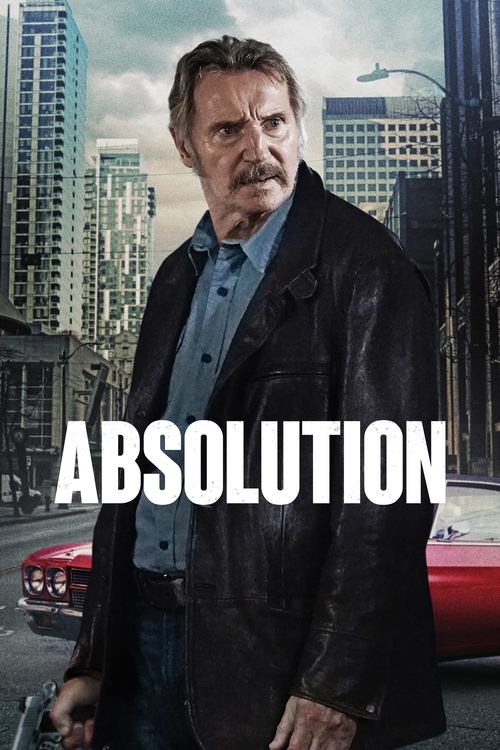
Absolution
An aging gangster attempts to reconnect with his children and rectify the mistakes in his past, but the criminal underworld won't loosen their grip willingly.
The film commercial failure against its mid-range budget of $30.0M, earning $3.9M globally (-87% loss). While initial box office returns were modest, the film has gained appreciation for its compelling narrative within the action genre.


Plot Structure
Story beats plotted across runtime


Narrative Arc
Emotional journey through the story's key moments
Story Circle
Blueprint 15-beat structure
Characters
Cast & narrative archetypes

Thug
Charlie Conner
Woman
Daisy
Kyle
Main Cast & Characters
Thug
Played by Liam Neeson
An aging Boston gangster suffering from CTE and memory loss, attempting to reconcile with his estranged family and make peace with his violent past before his mind deteriorates.
Charlie Conner
Played by Ron Perlman
A crime boss and senior figure in the criminal organization, representing Thug's continued connection to the underworld.
Woman
Played by Yolonda Ross
A significant woman in Thug's life who provides emotional support and represents hope during his cognitive decline.
Daisy
Played by Frankie Shaw
Thug's estranged daughter who represents the broken family relationships he must mend before it's too late.
Kyle
Played by Daniel Diemer
Thug's estranged son, another family connection severed by his father's criminal lifestyle.
Structural Analysis
The Status Quo at 1 minutes (1% through the runtime) establishes Gang enforcer Charlie Conner is shown in his diminished state, suffering from CTE-induced memory loss and tremors, collecting money for his boss while struggling with his deteriorating condition.. Structural examination shows that this early placement immediately immerses viewers in the story world.
The inciting incident occurs at 13 minutes when Charlie discovers that his estranged daughter Mia is working at a bar connected to a dangerous criminal operation, placing her in direct danger from the same violent world he has spent his life in.. At 12% through the film, this Disruption aligns precisely with traditional story structure. This beat shifts the emotional landscape, launching the protagonist into the central conflict.
The First Threshold at 28 minutes marks the transition into Act II, occurring at 25% of the runtime. This illustrates the protagonist's commitment to Charlie makes the active choice to protect his daughter despite his condition, confronting a threat against her and revealing himself as more than just an aging, diminished man - committing to the path of violent redemption., moving from reaction to action.
At 56 minutes, the Midpoint arrives at 50% of the runtime—precisely centered, creating perfect narrative symmetry. The analysis reveals that this crucial beat Charlie's actions draw the attention of more powerful enemies, and he realizes the threat to Mia is far greater than he anticipated - she's entangled with people connected to his own boss Rone. The stakes escalate from personal protection to all-out war with his own organization., fundamentally raising what's at risk. The emotional intensity shifts, dividing the narrative into clear before-and-after phases.
The Collapse moment at 84 minutes (75% through) represents the emotional nadir. Here, Charlie suffers a severe episode that leaves him incapacitated at the worst possible moment. Mia is taken by Rone's men, and Charlie is beaten and left for dead - his body and mind both failing him when his daughter needs him most., shows the protagonist at their lowest point. This beat's placement in the final quarter sets up the climactic reversal.
The Second Threshold at 90 minutes initiates the final act resolution at 80% of the runtime. Charlie finds the resolve to rise one final time, accepting that his death is certain but choosing to use his remaining strength and violent skills not for crime, but for the one pure thing in his life - saving his daughter, no matter the cost., demonstrating the transformation achieved throughout the journey.
Emotional Journey
Absolution's emotional architecture traces a deliberate progression across 15 carefully calibrated beats.
Narrative Framework
This structural analysis employs a 15-point narrative structure framework that maps key story moments. By mapping Absolution against these established plot points, we can identify how Hans Petter Moland utilizes or subverts traditional narrative conventions. The plot point approach reveals not only adherence to structural principles but also creative choices that distinguish Absolution within the action genre.
Hans Petter Moland's Structural Approach
Among the 3 Hans Petter Moland films analyzed on Arcplot, the average structural score is 7.2, reflecting strong command of classical structure. Absolution exemplifies the director's characteristic narrative technique. For comparative analysis, explore the complete Hans Petter Moland filmography.
Comparative Analysis
Additional action films include The Bad Guys, Puss in Boots and Venom: The Last Dance. For more Hans Petter Moland analyses, see Cold Pursuit, A Conspiracy of Faith.
Plot Points by Act
Act I
SetupStatus Quo
Gang enforcer Charlie Conner is shown in his diminished state, suffering from CTE-induced memory loss and tremors, collecting money for his boss while struggling with his deteriorating condition.
Theme
Charlie's doctor tells him that his brain damage from years of violence is irreversible, stating "The damage you've done can't be undone" - establishing the theme of whether redemption is possible for a man who has lived a life of brutality.
Worldbuilding
We see Charlie's world: his estranged relationship with his daughter Mia, his work as an enforcer for crime boss Rone, his deteriorating health and memory issues, and his lonely existence in a sparse apartment filled with medication and handwritten notes to himself.
Disruption
Charlie discovers that his estranged daughter Mia is working at a bar connected to a dangerous criminal operation, placing her in direct danger from the same violent world he has spent his life in.
Resistance
Charlie wrestles with whether to intervene, knowing his involvement could make things worse. He observes from a distance, gathers information about the threats to Mia, and debates whether a man like him can protect anyone or if he'll only bring more violence.
Act II
ConfrontationFirst Threshold
Charlie makes the active choice to protect his daughter despite his condition, confronting a threat against her and revealing himself as more than just an aging, diminished man - committing to the path of violent redemption.
Mirror World
Charlie begins reconnecting with Mia, and we see the relationship that represents what he truly needs - not violence or power, but the forgiveness and love of his daughter, offering a glimpse of the peaceful life he never allowed himself.
Premise
Charlie uses his old skills to systematically dismantle the threats against Mia, employing brutal but effective methods while struggling with his memory lapses. The promise of the premise delivers: a dying enforcer on one last mission to save his daughter.
Midpoint
Charlie's actions draw the attention of more powerful enemies, and he realizes the threat to Mia is far greater than he anticipated - she's entangled with people connected to his own boss Rone. The stakes escalate from personal protection to all-out war with his own organization.
Opposition
Charlie faces mounting opposition from Rone's organization while his mental and physical condition deteriorates. His memory fails at critical moments, enemies close in, and Mia discovers the truth about her father's violent past, threatening to destroy their fragile reconciliation.
Collapse
Charlie suffers a severe episode that leaves him incapacitated at the worst possible moment. Mia is taken by Rone's men, and Charlie is beaten and left for dead - his body and mind both failing him when his daughter needs him most.
Crisis
Charlie lies broken, forced to confront that his lifetime of violence has led to this moment - his daughter in danger because of who he is. He grapples with whether he has anything left to give, or if death is all he can offer.
Act III
ResolutionSecond Threshold
Charlie finds the resolve to rise one final time, accepting that his death is certain but choosing to use his remaining strength and violent skills not for crime, but for the one pure thing in his life - saving his daughter, no matter the cost.
Synthesis
Charlie launches his final assault on Rone's operation, combining his old enforcer skills with his newfound purpose. He cuts through the opposition with brutal efficiency, confronts Rone, and frees Mia, taking mortal wounds in the process.
Transformation
Charlie dies in Mia's arms, but this time as a father who finally chose his daughter over the life of violence. His transformation is complete - he found absolution not through forgiveness of his sins, but through one selfless act of love.