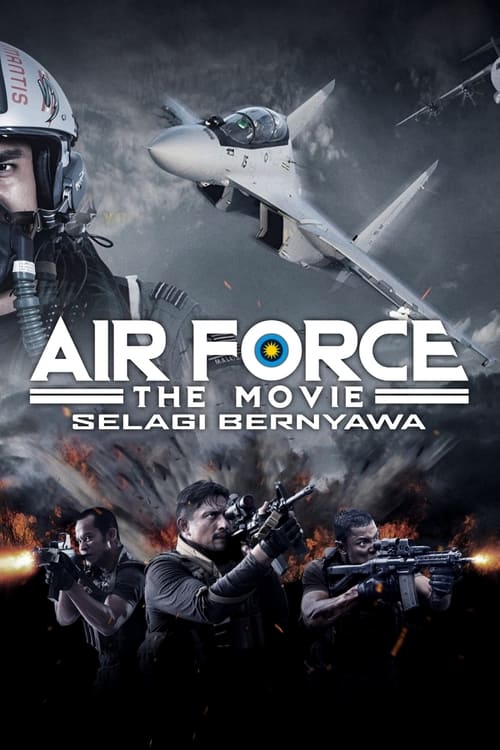
Air Force The Movie: Danger Close
The movie follows the story of a PASKAU team led by Captain Adib and his mentor, Major Adnan, tasked with protecting humanitarians serving in war torn country, Namburi. On their return home, their plane gets unexpectedly shot down by local militants. Nine of the passengers managed to make their jump before the plane crashes. Back in Malaysia, upon discovery of the news, the air force makes preparation for rescue. Adib`s brother in-law, Zafran, a grounded SUKHOI pilot, fights for the opportunity to save them. The air force deploys help and the survivors make their final run to salvation.
The film earned $6.8M at the global box office.


Plot Structure
Story beats plotted across runtime


Narrative Arc
Emotional journey through the story's key moments
Story Circle
Blueprint 15-beat structure
Arcplot Score Breakdown
Weighted: Precision (70%) + Arc (15%) + Theme (15%)
Air Force The Movie: Danger Close (2022) demonstrates meticulously timed narrative architecture, characteristic of Zulkarnain Azhar's storytelling approach. This structural analysis examines how the film's 15-point plot structure maps to proven narrative frameworks across 1 hour and 43 minutes. With an Arcplot score of 7.4, the film balances conventional beats with creative variation.
Characters
Cast & narrative archetypes

Adib
Zana
Johan
Harris
Aman
Main Cast & Characters
Adib
Played by Aiman Hakim Ridza
Squadron leader and skilled pilot leading the rescue mission in hostile territory
Zana
Played by Nas-T
Dedicated air force officer and combat pilot who proves herself in critical situations
Johan
Played by Adi Putra
Experienced pilot and loyal team member who supports the mission
Harris
Played by Luqman Hafidz
Strategic commanding officer who coordinates the air force operations
Aman
Played by Pablo Amirul
Young and eager pilot learning to face combat situations
Structural Analysis
The Status Quo at 1 minutes (1% through the runtime) establishes Elite Malaysian Air Force pilots Zafran and Adib are introduced during routine peacetime operations, showcasing their skills and brotherhood within the squadron.. Of particular interest, this early placement immediately immerses viewers in the story world.
The inciting incident occurs at 13 minutes when A hostile force launches an invasion on Malaysian territory, catching the military off-guard. The pilots receive emergency orders as enemy aircraft violate airspace.. At 12% through the film, this Disruption aligns precisely with traditional story structure. This beat shifts the emotional landscape, launching the protagonist into the central conflict.
The First Threshold at 26 minutes marks the transition into Act II, occurring at 25% of the runtime. This reveals the protagonist's commitment to Zafran and his squadron make the active decision to launch their first combat mission, crossing from peacetime operations into actual war. They take off to engage the enemy., moving from reaction to action.
At 51 minutes, the Midpoint arrives at 49% of the runtime—precisely centered, creating perfect narrative symmetry. Significantly, this crucial beat A major mission appears successful, but intelligence reveals the enemy has a larger, more devastating plan in motion. The stakes raise significantly as the true scope of the threat becomes clear., fundamentally raising what's at risk. The emotional intensity shifts, dividing the narrative into clear before-and-after phases.
The Collapse moment at 76 minutes (74% through) represents the emotional nadir. Here, A critical mission fails catastrophically. Squad members are killed or severely injured, and the enemy breakthrough appears imminent. Zafran faces the possibility that their sacrifice may be in vain., indicates the protagonist at their lowest point. This beat's placement in the final quarter sets up the climactic reversal.
The Second Threshold at 82 minutes initiates the final act resolution at 80% of the runtime. New intelligence reveals the enemy's weakness. Zafran synthesizes his training, combat experience, and the lessons from fallen brothers to formulate a desperate final plan. He commits to one last mission., demonstrating the transformation achieved throughout the journey.
Emotional Journey
Air Force The Movie: Danger Close's emotional architecture traces a deliberate progression across 15 carefully calibrated beats.
Narrative Framework
This structural analysis employs systematic plot point analysis that identifies crucial turning points. By mapping Air Force The Movie: Danger Close against these established plot points, we can identify how Zulkarnain Azhar utilizes or subverts traditional narrative conventions. The plot point approach reveals not only adherence to structural principles but also creative choices that distinguish Air Force The Movie: Danger Close within the action genre.
Comparative Analysis
Additional action films include The Bad Guys, Puss in Boots and Venom: The Last Dance.
Plot Points by Act
Act I
SetupStatus Quo
Elite Malaysian Air Force pilots Zafran and Adib are introduced during routine peacetime operations, showcasing their skills and brotherhood within the squadron.
Theme
A commanding officer states that duty to country requires sacrifice beyond personal desires, establishing the theme of service versus self-preservation.
Worldbuilding
Introduction to the Air Force base, the pilot teams, their relationships, families, and the political tensions brewing in the region. Establishes the world of military service and the stakes of defending Malaysian sovereignty.
Disruption
A hostile force launches an invasion on Malaysian territory, catching the military off-guard. The pilots receive emergency orders as enemy aircraft violate airspace.
Resistance
Initial response and strategic planning. The team debates the best course of action, receives intelligence briefings, and prepares for combat. Tensions rise as they face the reality of actual warfare versus training.
Act II
ConfrontationFirst Threshold
Zafran and his squadron make the active decision to launch their first combat mission, crossing from peacetime operations into actual war. They take off to engage the enemy.
Mirror World
Zafran connects with his family and loved ones back home, grounding his mission in what he's fighting to protect. This relationship subplot carries the emotional weight of duty versus personal connection.
Premise
The promise of the premise: aerial combat sequences, tactical missions, and the pilots proving their capabilities. They engage in dogfights, execute strategic strikes, and demonstrate what the Air Force can do in combat.
Midpoint
A major mission appears successful, but intelligence reveals the enemy has a larger, more devastating plan in motion. The stakes raise significantly as the true scope of the threat becomes clear.
Opposition
The enemy intensifies their assault with superior numbers and technology. Pilots are pushed to their limits, losses mount, and the squadron faces seemingly insurmountable odds. Internal doubts and physical exhaustion set in.
Collapse
A critical mission fails catastrophically. Squad members are killed or severely injured, and the enemy breakthrough appears imminent. Zafran faces the possibility that their sacrifice may be in vain.
Crisis
The surviving pilots grapple with loss and trauma. Zafran wrestles with guilt over fallen comrades and questions whether he can continue. The dark night of doubt before the final stand.
Act III
ResolutionSecond Threshold
New intelligence reveals the enemy's weakness. Zafran synthesizes his training, combat experience, and the lessons from fallen brothers to formulate a desperate final plan. He commits to one last mission.
Synthesis
The climactic final battle. The remaining pilots execute a coordinated strike against overwhelming odds, combining individual sacrifice with team coordination. The finale delivers the aerial action resolution.
Transformation
Victory achieved, survivors return to base. Zafran, transformed by combat and loss, honors fallen comrades. The closing image shows him as a tested warrior who understands the true cost of duty.