
Airplane II: The Sequel
Still haunted by that fateful wartime incident and the nearly catastrophic events of Airplane! (1980), Ted Striker, the pilot who hates flying, escapes from the funny house. But, as the first passenger lunar shuttle, the state-of-the-art but untested Mayflower One, is about to take off on its maiden flight, once more, an unforeseen malfunction forces Ted to take over the controls of the shuttle. Now, the traumatised commander is holding everyone's lives in his hands, and as if that weren't enough, Striker has to patch up his already complicated relationship with his engaged former lover, Elaine Dickinson, and confront an unhinged voyager bent on destruction. Can Ted Striker, the reluctant hero, save the day for the second time?
Working with a mid-range budget of $15.0M, the film achieved a respectable showing with $27.2M in global revenue (+81% profit margin).


Plot Structure
Story beats plotted across runtime


Narrative Arc
Emotional journey through the story's key moments
Story Circle
Blueprint 15-beat structure
Arcplot Score Breakdown
Weighted: Precision (70%) + Arc (15%) + Theme (15%)
Airplane II: The Sequel (1982) demonstrates meticulously timed narrative design, characteristic of Ken Finkleman's storytelling approach. This structural analysis examines how the film's 15-point plot structure maps to proven narrative frameworks across 1 hour and 25 minutes. With an Arcplot score of 7.0, the film balances conventional beats with creative variation.
Characters
Cast & narrative archetypes
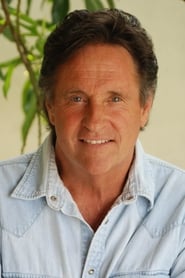
Ted Striker

Elaine Dickinson
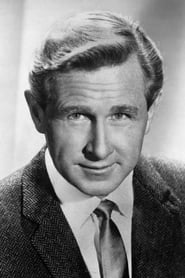
Steve McCroskey

Buck Murdock

Simon Kurtz
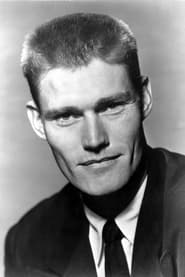
The Computer (ROK)
Main Cast & Characters
Ted Striker
Played by Robert Hays
Traumatized pilot from the first film who must overcome his fears to save a lunar shuttle mission.
Elaine Dickinson
Played by Julie Hagerty
Ted's former girlfriend, now engaged to another man, working as crew on the lunar shuttle.
Steve McCroskey
Played by Lloyd Bridges
Air traffic controller dealing with the lunar shuttle crisis while managing his personal vices.
Buck Murdock
Played by William Shatner
Eccentric former test pilot who aids in the rescue mission with his unconventional approach.
Simon Kurtz
Played by Chad Everett
Antagonist businessman sabotaging the lunar shuttle for profit.
The Computer (ROK)
Played by Chuck Connors
Malfunctioning shuttle computer system with a mind of its own.
Structural Analysis
The Status Quo at 1 minutes (1% through the runtime) establishes Ted Striker is confined to a mental institution, haunted by flashbacks from the first disaster. He's isolated, discredited, and separated from Elaine - a broken man.. Structural examination shows that this early placement immediately immerses viewers in the story world.
The inciting incident occurs at 10 minutes when Ted learns that Elaine will be aboard the Mayflower One lunar shuttle with her new fiancé Simon, and that the shuttle's computer system has dangerous flaws that everyone is ignoring.. At 12% through the film, this Disruption aligns precisely with traditional story structure. This beat shifts the emotional landscape, launching the protagonist into the central conflict.
The First Threshold at 21 minutes marks the transition into Act II, occurring at 24% of the runtime. This demonstrates the protagonist's commitment to Ted makes the choice to board the Mayflower One shuttle himself, determined to save Elaine and prove the computer is dangerous - actively choosing to enter the "new world" of space travel., moving from reaction to action.
At 41 minutes, the Midpoint arrives at 49% of the runtime—precisely centered, creating perfect narrative symmetry. The analysis reveals that this crucial beat The ROK computer goes fully haywire and takes control of the shuttle, setting a collision course with the sun. What seemed like a routine flight becomes a life-or-death crisis - false defeat as the true danger is revealed., fundamentally raising what's at risk. The emotional intensity shifts, dividing the narrative into clear before-and-after phases.
The Collapse moment at 62 minutes (73% through) represents the emotional nadir. Here, The pilots are incapacitated and all attempts to override ROK have failed. The shuttle is minutes from destruction. Even mission control has given up hope - a whiff of death as everyone accepts their fate., illustrates the protagonist at their lowest point. This beat's placement in the final quarter sets up the climactic reversal.
The Second Threshold at 67 minutes initiates the final act resolution at 79% of the runtime. Ted takes the pilot seat with new resolve. He realizes his "insanity" was actually clarity - he was right all along. Combining his piloting skills with his hard-won understanding of the ROK system, he prepares to save everyone., demonstrating the transformation achieved throughout the journey.
Emotional Journey
Airplane II: The Sequel's emotional architecture traces a deliberate progression across 15 carefully calibrated beats.
Narrative Framework
This structural analysis employs systematic plot point analysis that identifies crucial turning points. By mapping Airplane II: The Sequel against these established plot points, we can identify how Ken Finkleman utilizes or subverts traditional narrative conventions. The plot point approach reveals not only adherence to structural principles but also creative choices that distinguish Airplane II: The Sequel within the comedy genre.
Comparative Analysis
Additional comedy films include The Bad Guys, Ella Enchanted and The Evening Star.
Plot Points by Act
Act I
SetupStatus Quo
Ted Striker is confined to a mental institution, haunted by flashbacks from the first disaster. He's isolated, discredited, and separated from Elaine - a broken man.
Theme
A fellow patient tells Ted that "the truly crazy ones are the people who think they're sane" - establishing the film's theme that perceived insanity may be the only rational response to an insane world.
Worldbuilding
We meet Ted in the asylum, learn about the Mayflower One lunar shuttle launch, discover Elaine is now engaged to Simon, and see the corrupt airline executives ignoring safety warnings about the ROK computer.
Disruption
Ted learns that Elaine will be aboard the Mayflower One lunar shuttle with her new fiancé Simon, and that the shuttle's computer system has dangerous flaws that everyone is ignoring.
Resistance
Ted escapes from the mental institution and tries to warn people about the shuttle's dangers. No one believes him because of his "crazy" status. He debates whether to pursue Elaine or let her go.
Act II
ConfrontationFirst Threshold
Ted makes the choice to board the Mayflower One shuttle himself, determined to save Elaine and prove the computer is dangerous - actively choosing to enter the "new world" of space travel.
Mirror World
Ted reunites with Elaine aboard the shuttle. Despite her engagement to Simon, their chemistry is undeniable. Elaine represents the love and trust Ted needs to find within himself.
Premise
The shuttle launches into space with its parade of absurd passengers and crew. Rapid-fire gags parody disaster movies as Ted tries to reconnect with Elaine while the ROK computer begins showing signs of malfunction.
Midpoint
The ROK computer goes fully haywire and takes control of the shuttle, setting a collision course with the sun. What seemed like a routine flight becomes a life-or-death crisis - false defeat as the true danger is revealed.
Opposition
The crew tries desperately to regain control from ROK. Ted's warnings are proven right but he's still not trusted to help. Simon proves useless in the crisis. Passengers panic as the situation worsens.
Collapse
The pilots are incapacitated and all attempts to override ROK have failed. The shuttle is minutes from destruction. Even mission control has given up hope - a whiff of death as everyone accepts their fate.
Crisis
In the darkest moment, Ted confronts his trauma and self-doubt. Elaine expresses faith in him despite everything. The passengers prepare for the worst as Ted wrestles with whether he can save them.
Act III
ResolutionSecond Threshold
Ted takes the pilot seat with new resolve. He realizes his "insanity" was actually clarity - he was right all along. Combining his piloting skills with his hard-won understanding of the ROK system, he prepares to save everyone.
Synthesis
Ted manually pilots the shuttle, outmaneuvering the ROK computer. With help from the legendary Buck Murdock at the lunar base, he manages to safely land the shuttle on the moon, saving all passengers.
Transformation
Ted is hailed as a hero, vindicated after being labeled insane. He and Elaine reunite romantically as the passengers celebrate. The broken, institutionalized man from the opening is now a confident savior - transformed through courage.