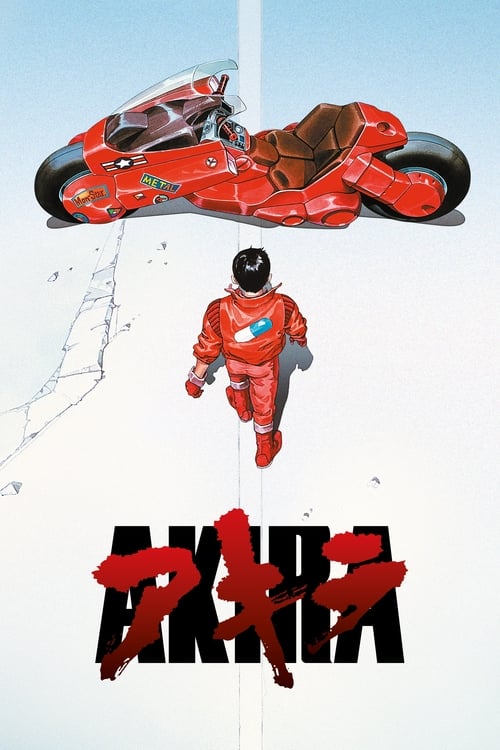
Akira
A secret military project endangers Neo-Tokyo when it turns a biker gang member into a rampaging psychic psychopath that only two teenagers and a group of psychics can stop.
Despite its limited budget of $5.7M, Akira became a massive hit, earning $49.0M worldwide—a remarkable 760% return. The film's bold vision connected with viewers, illustrating how strong storytelling can transcend budget limitations.


Plot Structure
Story beats plotted across runtime


Narrative Arc
Emotional journey through the story's key moments
Story Circle
Blueprint 15-beat structure
Arcplot Score Breakdown
Weighted: Precision (70%) + Arc (15%) + Theme (15%)
Akira (1988) demonstrates precise dramatic framework, characteristic of Katsuhiro Otomo's storytelling approach. This structural analysis examines how the film's 15-point plot structure maps to proven narrative frameworks across 2 hours and 4 minutes. With an Arcplot score of 6.5, the film balances conventional beats with creative variation.
Characters
Cast & narrative archetypes

Kaneda
Tetsuo Shima

Kei

Colonel Shikishima
Ryu
Takashi (No. 26)
Kiyoko (No. 25)
Masaru (No. 27)

Doctor Ōnishi
Main Cast & Characters
Kaneda
Played by Mitsuo Iwata
Leader of a biker gang who tries to save his childhood friend Tetsuo from destructive psychic powers.
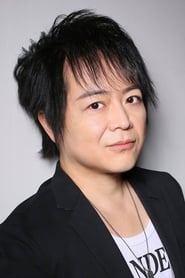
Tetsuo Shima
Played by Nozomu Sasaki
Kaneda's insecure childhood friend who gains catastrophic psychic abilities and struggles with overwhelming power.
Kei
Played by Mami Koyama
A young resistance fighter who becomes involved with Kaneda while fighting government corruption.
Colonel Shikishima
Played by Tarō Ishida
A military officer trying to prevent another psychic catastrophe while managing dangerous experiments.
Ryu
Played by Tesshō Genda
Leader of the resistance movement fighting against Neo-Tokyo's corrupt government.
Takashi (No. 26)
Played by Tatsuhiko Nakamura
An elderly-looking psychic child with precognitive abilities who escapes from government custody.
Kiyoko (No. 25)
Played by Fukue Itō
A psychic child with prophetic visions who warns about Tetsuo's danger.
Masaru (No. 27)
Played by Kazuhiro Kandō
A psychic child who floats in a mechanical throne and helps confront Tetsuo.
Doctor Ōnishi
Played by Mizuho Suzuki
The scientist overseeing the psychic experiments who becomes conflicted about the project.
Structural Analysis
The Status Quo at 2 minutes (2% through the runtime) establishes Neo-Tokyo 2019: After the title card showing Tokyo's destruction in 1988, we see the chaotic rebuilt city—riots, corruption, and gang violence. Kaneda's motorcycle gang, the Capsules, race through streets fighting rival Clowns, establishing a world of youth rebellion and societal decay.. Notably, this early placement immediately immerses viewers in the story world.
The inciting incident occurs at 15 minutes when Tetsuo nearly collides with the escaped psychic child Takashi on the highway. The encounter triggers something in Tetsuo—he collapses in agony as latent psychic abilities awaken. The military arrives and takes Tetsuo, separating him from Kaneda and the gang forever.. At 12% through the film, this Disruption aligns precisely with traditional story structure. This beat shifts the emotional landscape, launching the protagonist into the central conflict.
The First Threshold at 30 minutes marks the transition into Act II, occurring at 25% of the runtime. This indicates the protagonist's commitment to Tetsuo escapes the hospital, stealing Kaneda's iconic bike to prove his independence. When confronted by the Clowns, his psychic powers explosively manifest for the first time—he brutally defeats them with telekinesis. Tetsuo has crossed into a world of power he cannot control, and there's no going back., moving from reaction to action.
At 62 minutes, the Midpoint arrives at 50% of the runtime—precisely centered, creating perfect narrative symmetry. Of particular interest, this crucial beat Tetsuo learns the truth about Akira—not a god but a child whose power destroyed Tokyo, now preserved in cryogenic pieces beneath the Olympic stadium. This false victory (knowledge equals power) actually seals Tetsuo's doom: he becomes obsessed with finding Akira, believing he can control what destroyed a city. The stakes shift from rescue to prevention of catastrophe., fundamentally raising what's at risk. The emotional intensity shifts, dividing the narrative into clear before-and-after phases.
The Collapse moment at 92 minutes (75% through) represents the emotional nadir. Here, Tetsuo reaches the Olympic stadium crater and unearths Akira's cryogenic remains—only to find jars of preserved organs, not a living god. His body begins catastrophically mutating, flesh expanding uncontrollably as his power consumes him. The friend Kaneda knew is dying, transformed into something monstrous. This is the "whiff of death"—Tetsuo's humanity is being destroyed by the very power he sought., illustrates the protagonist at their lowest point. This beat's placement in the final quarter sets up the climactic reversal.
The Second Threshold at 99 minutes initiates the final act resolution at 80% of the runtime. The three esper children combine their powers to awaken Akira's consciousness from the preserved remains. Kaneda chooses to enter the psychic maelstrom to reach Tetsuo one final time—not to fight him, but to connect with him. This synthesis of the children's sacrifice and Kaneda's loyalty enables the climax., demonstrating the transformation achieved throughout the journey.
Emotional Journey
Akira's emotional architecture traces a deliberate progression across 15 carefully calibrated beats.
Narrative Framework
This structural analysis employs proven narrative structure principles that track dramatic progression. By mapping Akira against these established plot points, we can identify how Katsuhiro Otomo utilizes or subverts traditional narrative conventions. The plot point approach reveals not only adherence to structural principles but also creative choices that distinguish Akira within the animation genre.
Comparative Analysis
Additional animation films include The Bad Guys, Puss in Boots and Violet Evergarden: Eternity and the Auto Memory Doll.
Plot Points by Act
Act I
SetupStatus Quo
Neo-Tokyo 2019: After the title card showing Tokyo's destruction in 1988, we see the chaotic rebuilt city—riots, corruption, and gang violence. Kaneda's motorcycle gang, the Capsules, race through streets fighting rival Clowns, establishing a world of youth rebellion and societal decay.
Theme
During the gang fight, the power dynamics between Kaneda and Tetsuo are established. Tetsuo crashes trying to prove himself, foreshadowing the theme: those who desperately grasp for power they're not ready for will destroy themselves and others.
Worldbuilding
The dystopian Neo-Tokyo is established through the gang war, police crackdowns, and hints of government conspiracy. We meet Kaneda's gang, see Tetsuo's insecurity about being protected by Kaneda, and witness the escaped esper Takashi on the highway—setting up the collision of worlds.
Disruption
Tetsuo nearly collides with the escaped psychic child Takashi on the highway. The encounter triggers something in Tetsuo—he collapses in agony as latent psychic abilities awaken. The military arrives and takes Tetsuo, separating him from Kaneda and the gang forever.
Resistance
Kaneda tries to find Tetsuo through normal means while becoming entangled with Kei and the resistance. Meanwhile, Tetsuo undergoes testing at the military facility, his powers growing as scientists debate whether he could become "another Akira." The Colonel and Doctor Onishi serve as opposing guides—one wanting control, one seeking understanding.
Act II
ConfrontationFirst Threshold
Tetsuo escapes the hospital, stealing Kaneda's iconic bike to prove his independence. When confronted by the Clowns, his psychic powers explosively manifest for the first time—he brutally defeats them with telekinesis. Tetsuo has crossed into a world of power he cannot control, and there's no going back.
Mirror World
Kaneda fully commits to helping Kei and the resistance, drawn both by attraction to her and genuine concern for Tetsuo. Kei represents the path of fighting for others rather than oneself—the thematic counterpoint to Tetsuo's selfish pursuit of power. Their partnership offers hope amid chaos.
Premise
The "promise of the premise" delivers escalating psychic spectacle. Tetsuo's powers grow terrifyingly strong as he battles the three esper children (Takashi, Masaru, Kiyoko). Kaneda navigates the resistance, military conspiracies, and his complicated feelings about saving or stopping Tetsuo. The film delivers its cyberpunk vision of power, corruption, and transformation.
Midpoint
Tetsuo learns the truth about Akira—not a god but a child whose power destroyed Tokyo, now preserved in cryogenic pieces beneath the Olympic stadium. This false victory (knowledge equals power) actually seals Tetsuo's doom: he becomes obsessed with finding Akira, believing he can control what destroyed a city. The stakes shift from rescue to prevention of catastrophe.
Opposition
Everything accelerates toward disaster. Tetsuo massacres soldiers and scientists, his body beginning to mutate as his powers exceed human limits. The Colonel attempts a military coup to stop the council's incompetence. Kaneda and Kei race to reach Tetsuo. The esper children desperately try to prevent Akira's awakening. Neo-Tokyo descends into chaos—riots, military crackdowns, and Tetsuo's growing rampage.
Collapse
Tetsuo reaches the Olympic stadium crater and unearths Akira's cryogenic remains—only to find jars of preserved organs, not a living god. His body begins catastrophically mutating, flesh expanding uncontrollably as his power consumes him. The friend Kaneda knew is dying, transformed into something monstrous. This is the "whiff of death"—Tetsuo's humanity is being destroyed by the very power he sought.
Crisis
Tetsuo's mutation spirals out of control—he becomes a massive, grotesque blob of flesh absorbing everything it touches, including his girlfriend Kaori, killing her. Kaneda watches in horror as his childhood friend becomes an apocalyptic monster. The esper children recognize that only Akira's power can stop this now. All seems lost as Neo-Tokyo faces a second destruction.
Act III
ResolutionSecond Threshold
The three esper children combine their powers to awaken Akira's consciousness from the preserved remains. Kaneda chooses to enter the psychic maelstrom to reach Tetsuo one final time—not to fight him, but to connect with him. This synthesis of the children's sacrifice and Kaneda's loyalty enables the climax.
Synthesis
Inside the psychic singularity, Kaneda experiences Tetsuo's memories—the childhood abandonment, the desperate need to matter, the resentment of always being protected. He finally understands his friend. Akira's power manifests as a white sphere consuming the mutation, and the esper children sacrifice themselves to guide this new Big Bang away from Earth. Tetsuo, accepted at last, transcends with Akira into a new universe.
Transformation
Kaneda, Kei, and the Colonel survive in the ruins of Neo-Tokyo as dawn breaks. Kaneda mourns Tetsuo but has gained understanding. In the void, Tetsuo's voice declares "I am Tetsuo"—he has become something new, perhaps a universe himself. The cycle of destruction has led to creation. Where the film opened with apocalypse, it closes with painful hope and transcendence.