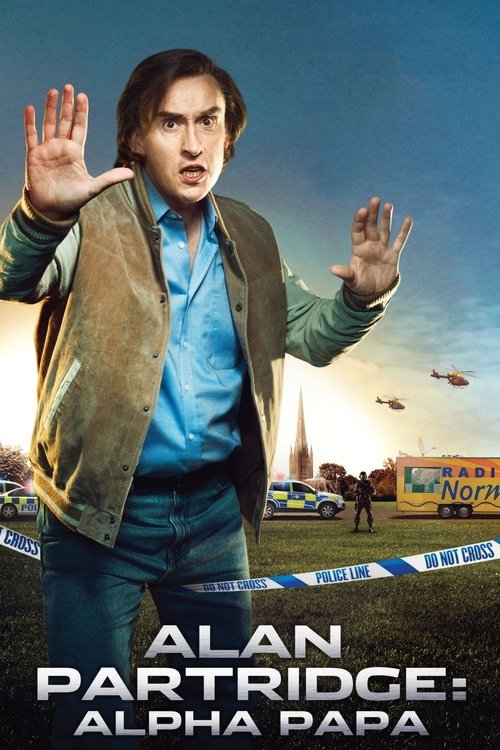
Alan Partridge: Alpha Papa
When famous DJ Alan Partridge’s radio station is taken over by a new media conglomerate, it sets in motion a chain of events which see Alan having to work with the police to defuse a potentially violent siege.
Despite its modest budget of $4.0M, Alan Partridge: Alpha Papa became a solid performer, earning $9.8M worldwide—a 145% return.










Plot Structure
Story beats plotted across runtime


Narrative Arc
Emotional journey through the story's key moments
Story Circle
Blueprint 15-beat structure
Arcplot Score Breakdown
Weighted: Precision (70%) + Arc (15%) + Theme (15%)
Alan Partridge: Alpha Papa (2013) exemplifies deliberately positioned narrative architecture, characteristic of Declan Lowney's storytelling approach. This structural analysis examines how the film's 15-point plot structure maps to proven narrative frameworks across 1 hour and 30 minutes. With an Arcplot score of 7.4, the film balances conventional beats with creative variation.
Characters
Cast & narrative archetypes

Alan Partridge

Pat Farrell

Lynn Benfield

Angela
Michael

Danny
Main Cast & Characters
Alan Partridge
Played by Steve Coogan
A self-centered radio DJ who becomes a hostage negotiator when a disgruntled colleague takes over the station. Deeply insecure yet delusionally confident.
Pat Farrell
Played by Colm Meaney
A long-serving radio DJ who takes hostages after being fired during a corporate takeover. Feels betrayed and overlooked by the industry.
Lynn Benfield
Played by Felicity Montagu
Alan's long-suffering personal assistant who remains loyal despite his constant mistreatment and self-absorption.
Angela
Played by Anna Maxwell Martin
A police negotiator who attempts to handle the hostage situation professionally while dealing with Alan's interference.
Michael
Played by Simon Greenall
Alan's simple-minded sidekick and assistant who idolizes him and follows him around the station during the siege.
Danny
Played by Nigel Lindsay
A young radio station employee who becomes caught up in the hostage situation and interacts with Alan during the crisis.
Structural Analysis
The Status Quo at 1 minutes (1% through the runtime) establishes Alan Partridge drives to work at North Norfolk Digital radio station, his modest but secure world as a local radio DJ established.. Of particular interest, this early placement immediately immerses viewers in the story world.
The inciting incident occurs at 10 minutes when Alan betrays colleague Pat Farrell by suggesting he be fired instead of Alan to appease the new corporate owners, catalyzing the crisis.. At 11% through the film, this Disruption aligns precisely with traditional story structure. This beat shifts the emotional landscape, launching the protagonist into the central conflict.
The First Threshold at 22 minutes marks the transition into Act II, occurring at 24% of the runtime. This indicates the protagonist's commitment to Alan is designated as the negotiator between Pat and the police, entering the dangerous new world of the hostage situation., moving from reaction to action.
At 43 minutes, the Midpoint arrives at 48% of the runtime—precisely centered, creating perfect narrative symmetry. The analysis reveals that this crucial beat Alan believes he's successfully negotiating and gaining control of the situation, appearing to broker a potential resolution and becoming a media sensation., fundamentally raising what's at risk. The emotional intensity shifts, dividing the narrative into clear before-and-after phases.
The Collapse moment at 65 minutes (72% through) represents the emotional nadir. Here, The crisis reaches its darkest point as Alan's betrayal is fully exposed and Pat threatens real violence, with Alan facing the consequences of his actions., illustrates the protagonist at their lowest point. This beat's placement in the final quarter sets up the climactic reversal.
The Second Threshold at 70 minutes initiates the final act resolution at 78% of the runtime. Alan chooses to genuinely help Pat rather than save himself, synthesizing his media skills with newfound empathy to find a real solution., demonstrating the transformation achieved throughout the journey.
Emotional Journey
Alan Partridge: Alpha Papa's emotional architecture traces a deliberate progression across 15 carefully calibrated beats.
Narrative Framework
This structural analysis employs a 15-point narrative structure framework that maps key story moments. By mapping Alan Partridge: Alpha Papa against these established plot points, we can identify how Declan Lowney utilizes or subverts traditional narrative conventions. The plot point approach reveals not only adherence to structural principles but also creative choices that distinguish Alan Partridge: Alpha Papa within the comedy genre.
Comparative Analysis
Additional comedy films include The Ministry of Ungentlemanly Warfare, The Bad Guys and Lake Placid.
Plot Points by Act
Act I
SetupStatus Quo
Alan Partridge drives to work at North Norfolk Digital radio station, his modest but secure world as a local radio DJ established.
Theme
Discussion at the radio station about loyalty, change, and what happens when corporate interests clash with personal relationships.
Worldbuilding
Introduction to North Norfolk Digital staff, the corporate takeover by Shape Media, Alan's self-serving nature, and his relationship with colleagues including Pat Farrell.
Disruption
Alan betrays colleague Pat Farrell by suggesting he be fired instead of Alan to appease the new corporate owners, catalyzing the crisis.
Resistance
Pat returns with a shotgun and takes the radio station hostage. Alan debates whether to flee or stay, ultimately being forced into the role of negotiator.
Act II
ConfrontationFirst Threshold
Alan is designated as the negotiator between Pat and the police, entering the dangerous new world of the hostage situation.
Mirror World
Alan's relationship with police negotiator Angela Rippon develops, representing a thematic mirror about genuine human connection versus self-interest.
Premise
Alan navigates the hostage crisis with characteristic self-serving incompetence, attempting to maintain his image while mediating Pat's demands.
Midpoint
Alan believes he's successfully negotiating and gaining control of the situation, appearing to broker a potential resolution and becoming a media sensation.
Opposition
The situation deteriorates as Pat becomes more unstable, Alan's selfish nature repeatedly undermines progress, and the stakes escalate toward violence.
Collapse
The crisis reaches its darkest point as Alan's betrayal is fully exposed and Pat threatens real violence, with Alan facing the consequences of his actions.
Crisis
Alan confronts his guilt and selfishness, experiencing genuine remorse for betraying Pat and recognizing his role in creating the crisis.
Act III
ResolutionSecond Threshold
Alan chooses to genuinely help Pat rather than save himself, synthesizing his media skills with newfound empathy to find a real solution.
Synthesis
Alan executes a plan to resolve the siege, using his broadcast abilities to give Pat a platform while working toward a peaceful resolution.
Transformation
Alan emerges from the crisis having shown genuine courage and selflessness, though still fundamentally himself—a subtle transformation rather than complete redemption.