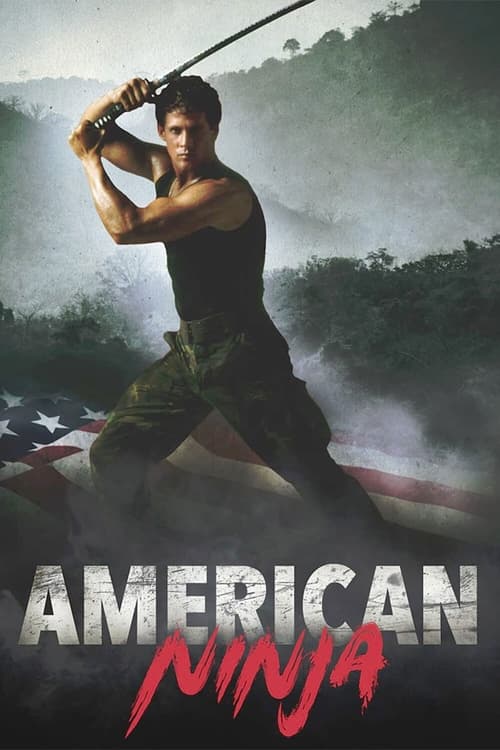
American Ninja
Joe Armstrong, an orphaned drifter with little respect for much other than martial arts, finds himself on an American Army base in The Philippines after a judge gives him a choice of enlistment or prison. On one of his first missions driving a convoy, his platoon is attacked by a group of rebels who try to steal the weapons the platoon is transporting and kidnap the base colonel's daughter.
Despite its tight budget of $1.0M, American Ninja became a massive hit, earning $10.5M worldwide—a remarkable 950% return. The film's innovative storytelling found its audience, demonstrating that strong storytelling can transcend budget limitations.


Plot Structure
Story beats plotted across runtime


Narrative Arc
Emotional journey through the story's key moments
Story Circle
Blueprint 15-beat structure
Arcplot Score Breakdown
Weighted: Precision (70%) + Arc (15%) + Theme (15%)
American Ninja (1985) exhibits carefully calibrated plot construction, characteristic of Sam Firstenberg's storytelling approach. This structural analysis examines how the film's 15-point plot structure maps to proven narrative frameworks across 1 hour and 35 minutes. With an Arcplot score of 7.6, the film showcases strong structural fundamentals.
Characters
Cast & narrative archetypes

Joe Armstrong
Curtis Jackson
Patricia Hickock
Black Star Ninja
Victor Ortega
Colonel William Hickock
Shinyuki
Main Cast & Characters
Joe Armstrong
Played by Michael Dudikoff
A mysterious Army private with amnesia who possesses extraordinary ninja skills and must defend a military base from arms dealers.
Curtis Jackson
Played by Steve James
A tough, loyal corporal who becomes Joe's friend and ally in fighting the ninja army and arms smuggling operation.
Patricia Hickock
Played by Judie Aronson
The colonel's daughter who becomes romantically involved with Joe and stands by him despite suspicions against him.
Black Star Ninja
Played by Tadashi Yamashita
The primary antagonist and master ninja leading the criminal organization stealing military weapons.
Victor Ortega
Played by Don Stewart
A corrupt arms dealer working with the ninja army to steal and sell military weapons.
Colonel William Hickock
Played by Guich Koock
Patricia's father and the base commander who initially distrusts Joe but comes to respect his abilities.
Shinyuki
Played by John Fujioka
Victor Ortega's ninja master and head of the criminal ninja organization operating on the island.
Structural Analysis
The Status Quo at 1 minutes (1% through the runtime) establishes Joe Armstrong, a mysterious Private First Class, rides silently on a military convoy through the Philippine jungle, showing no emotion or connection to his fellow soldiers.. Of particular interest, this early placement immediately immerses viewers in the story world.
The inciting incident occurs at 10 minutes when The convoy is ambushed by black-clad ninjas. Joe witnesses his fellow soldiers killed and Patricia kidnapped. His instinctive ninja skills emerge as he fights the attackers, revealing he is more than an ordinary soldier.. At 11% through the film, this Disruption aligns precisely with traditional story structure. This beat shifts the emotional landscape, launching the protagonist into the central conflict.
The First Threshold at 23 minutes marks the transition into Act II, occurring at 24% of the runtime. This demonstrates the protagonist's commitment to Joe makes the active choice to investigate the ninja attack and arms smuggling operation. He breaks into the black market warehouse, fully embracing his ninja skills for the first time, marking his commitment to uncover the truth., moving from reaction to action.
At 46 minutes, the Midpoint arrives at 49% of the runtime—precisely centered, creating perfect narrative symmetry. Notably, this crucial beat Joe discovers the Black Star Ninja (the master villain) is behind the operation and that the conspiracy reaches into the highest levels of the base command. The stakes raise dramatically - this is bigger than he thought. False defeat., fundamentally raising what's at risk. The emotional intensity shifts, dividing the narrative into clear before-and-after phases.
The Collapse moment at 71 minutes (75% through) represents the emotional nadir. Here, Shinyuki is mortally wounded protecting Joe from the Black Star Ninja's assassins. The mentor's death is the "whiff of death" - Joe loses the one person who understood his past and could guide him to his true identity., demonstrates the protagonist at their lowest point. This beat's placement in the final quarter sets up the climactic reversal.
The Second Threshold at 75 minutes initiates the final act resolution at 79% of the runtime. Joe has a breakthrough: he doesn't need to remember his past to know who he is. He synthesizes Shinyuki's teachings with his own instincts. He fully accepts his identity as a ninja warrior and commits to the final confrontation., demonstrating the transformation achieved throughout the journey.
Emotional Journey
American Ninja's emotional architecture traces a deliberate progression across 15 carefully calibrated beats.
Narrative Framework
This structural analysis employs structural analysis methodology used to understand storytelling architecture. By mapping American Ninja against these established plot points, we can identify how Sam Firstenberg utilizes or subverts traditional narrative conventions. The plot point approach reveals not only adherence to structural principles but also creative choices that distinguish American Ninja within the action genre.
Sam Firstenberg's Structural Approach
Among the 3 Sam Firstenberg films analyzed on Arcplot, the average structural score is 7.0, reflecting strong command of classical structure. American Ninja represents one of the director's most structurally precise works. For comparative analysis, explore the complete Sam Firstenberg filmography.
Comparative Analysis
Additional action films include The Bad Guys, Puss in Boots and Venom: The Last Dance. For more Sam Firstenberg analyses, see Revenge of the Ninja, Ninja III: The Domination.
Plot Points by Act
Act I
SetupStatus Quo
Joe Armstrong, a mysterious Private First Class, rides silently on a military convoy through the Philippine jungle, showing no emotion or connection to his fellow soldiers.
Theme
Colonel Hickock tells Joe: "A man's got to know who he is." This echoes Joe's struggle with his amnesia and identity - the central thematic question of the film.
Worldbuilding
Introduction to the U.S. Army base in the Philippines, Joe's isolation from other soldiers, his unexplained martial arts skills, and the black market arms dealing operation run by corrupt officials. Patricia Hickock (the Colonel's daughter) is established as working on base.
Disruption
The convoy is ambushed by black-clad ninjas. Joe witnesses his fellow soldiers killed and Patricia kidnapped. His instinctive ninja skills emerge as he fights the attackers, revealing he is more than an ordinary soldier.
Resistance
Joe is accused of cowardice and court-martialed for the convoy disaster. He resists revealing his past or abilities. Jackson, a fellow soldier, initially distrusts Joe but begins to see something special in him. Joe debates whether to stay hidden or embrace his ninja identity.
Act II
ConfrontationFirst Threshold
Joe makes the active choice to investigate the ninja attack and arms smuggling operation. He breaks into the black market warehouse, fully embracing his ninja skills for the first time, marking his commitment to uncover the truth.
Mirror World
Joe encounters Shinyuki, the old Japanese gardener who reveals he knows Joe's secret ninja training. Their relationship represents the thematic mirror - Shinyuki will help Joe understand his identity and purpose.
Premise
The "fun and games" of watching Joe use his ninja skills. He investigates the smuggling ring, has romantic tension with Patricia, teams up with Jackson, and battles various henchmen. Multiple ninja action sequences deliver on the film's promise.
Midpoint
Joe discovers the Black Star Ninja (the master villain) is behind the operation and that the conspiracy reaches into the highest levels of the base command. The stakes raise dramatically - this is bigger than he thought. False defeat.
Opposition
The villains close in. Joe is hunted by both corrupt military officials and the ninja army. Patricia is endangered. Jackson is captured. The Black Star Ninja's forces seem unstoppable and Joe's fragmented memories of his past training haunt him.
Collapse
Shinyuki is mortally wounded protecting Joe from the Black Star Ninja's assassins. The mentor's death is the "whiff of death" - Joe loses the one person who understood his past and could guide him to his true identity.
Crisis
Joe mourns Shinyuki and faces his darkest moment. He questions whether he can defeat the Black Star Ninja without knowing his full past. He must find resolve within himself rather than relying on his mentor.
Act III
ResolutionSecond Threshold
Joe has a breakthrough: he doesn't need to remember his past to know who he is. He synthesizes Shinyuki's teachings with his own instincts. He fully accepts his identity as a ninja warrior and commits to the final confrontation.
Synthesis
The finale battle. Joe infiltrates the villain's compound, rescues Patricia and Jackson, battles through hordes of ninjas, exposes the corrupt officials, and faces the Black Star Ninja in an ultimate showdown. He defeats the master villain using both his training and his own evolved understanding.
Transformation
Joe stands victorious with Patricia and Jackson. Though he still doesn't fully remember his past, he has found his identity through his actions and choices. He is no longer the isolated, silent soldier from the opening - he is the American Ninja, connected to others and at peace with himself.