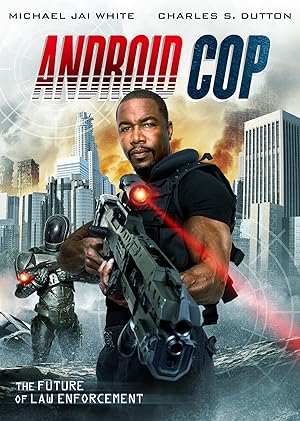
Android Cop
In the year 2045, a Los Angeles Police Department detective and his new Android partner enter the Zone, a forbidden section of the city plagued with an unknown disease. There, they discover the source of the illness and uncover a troubling Government Conspiracy at the center.

Plot Structure
Story beats plotted across runtime


Narrative Arc
Emotional journey through the story's key moments
Story Circle
Blueprint 15-beat structure
Arcplot Score Breakdown
Weighted: Precision (70%) + Arc (15%) + Theme (15%)
Android Cop (2014) reveals deliberately positioned dramatic framework, characteristic of Mark Atkins's storytelling approach. This structural analysis examines how the film's 15-point plot structure maps to proven narrative frameworks across 1 hour and 28 minutes. With an Arcplot score of 7.4, the film balances conventional beats with creative variation.
Characters
Cast & narrative archetypes

Detective Hammond
Andy
Helen
Mayor Jacobs
Main Cast & Characters
Detective Hammond
Played by Michael Jai White
A tough veteran police officer forced to partner with an android cop to rescue the mayor's daughter from a quarantine zone.
Andy
Played by Randy Wayne
An advanced android police officer with superior combat capabilities but limited understanding of human emotion and instinct.
Helen
Played by Kadeem Hardison
The mayor's daughter who becomes trapped in the dangerous quarantine zone and must be rescued.
Mayor Jacobs
Played by Charles S. Dutton
The city mayor whose daughter is kidnapped, putting political and personal pressure on the rescue mission.
Structural Analysis
The Status Quo at 1 minutes (1% through the runtime) establishes Future Los Angeles in chaos. Detective Hammond works the dangerous Zone alone, a hardened human cop in a city where androids are becoming standard partners. He's seen as old-school, refusing android assistance.. Significantly, this early placement immediately immerses viewers in the story world.
The inciting incident occurs at 10 minutes when Hammond's daughter is kidnapped and taken into the Zone by criminals. The one thing he cares about most is torn from his life, forcing him into impossible circumstances.. At 11% through the film, this Disruption aligns precisely with traditional story structure. This beat shifts the emotional landscape, launching the protagonist into the central conflict.
The First Threshold at 21 minutes marks the transition into Act II, occurring at 24% of the runtime. This demonstrates the protagonist's commitment to Hammond reluctantly accepts AC-9 as his partner and they enter the Zone together. He makes the choice to cross into the quarantined area with the android, leaving behind his familiar world for this uneasy alliance., moving from reaction to action.
At 44 minutes, the Midpoint arrives at 50% of the runtime—precisely centered, creating perfect narrative symmetry. Structural examination shows that this crucial beat False defeat: They locate where the daughter was held but she's been moved. Hammond discovers the kidnapping is part of a bigger plot involving corporate interests and android technology. The stakes raise - this isn't just a rescue, it's a conspiracy. The clock is ticking., fundamentally raising what's at risk. The emotional intensity shifts, dividing the narrative into clear before-and-after phases.
The Collapse moment at 66 minutes (75% through) represents the emotional nadir. Here, AC-9 is critically damaged saving Hammond's life, appearing "dead" (whiff of death). Hammond is alone again, facing overwhelming odds. His daughter's location is unknown and time is running out. He faces the possibility he'll lose everything., reveals the protagonist at their lowest point. This beat's placement in the final quarter sets up the climactic reversal.
The Second Threshold at 70 minutes initiates the final act resolution at 79% of the runtime. AC-9 reboots or Hammond discovers a way to repair him, OR Hammond finds the final clue about his daughter's location. He synthesizes human intuition with what he learned from AC-9's logic. He knows where to go and what to do. They move as true partners., demonstrating the transformation achieved throughout the journey.
Emotional Journey
Android Cop's emotional architecture traces a deliberate progression across 15 carefully calibrated beats.
Narrative Framework
This structural analysis employs structural analysis methodology used to understand storytelling architecture. By mapping Android Cop against these established plot points, we can identify how Mark Atkins utilizes or subverts traditional narrative conventions. The plot point approach reveals not only adherence to structural principles but also creative choices that distinguish Android Cop within the action genre.
Comparative Analysis
Additional action films include The Bad Guys, Puss in Boots and Venom: The Last Dance.
Plot Points by Act
Act I
SetupStatus Quo
Future Los Angeles in chaos. Detective Hammond works the dangerous Zone alone, a hardened human cop in a city where androids are becoming standard partners. He's seen as old-school, refusing android assistance.
Theme
Hammond's captain or colleague states something about trust and partnership - that effectiveness requires working together, not alone. Hammond dismisses it, embodying the human vs. machine prejudice.
Worldbuilding
Establish the dystopian future LA, the Zone (quarantined sector), Hammond's family situation, his distrust of androids, the political tension around android integration, and the criminal underworld. His daughter is introduced as his emotional anchor.
Disruption
Hammond's daughter is kidnapped and taken into the Zone by criminals. The one thing he cares about most is torn from his life, forcing him into impossible circumstances.
Resistance
Hammond wants to go after her alone but is told it's suicide. The department insists he take an android partner (AC-9) for the rescue mission. Hammond resists, debates, argues - he doesn't trust machines. AC-9 is assigned despite his protests.
Act II
ConfrontationFirst Threshold
Hammond reluctantly accepts AC-9 as his partner and they enter the Zone together. He makes the choice to cross into the quarantined area with the android, leaving behind his familiar world for this uneasy alliance.
Mirror World
First meaningful interaction with AC-9 as they navigate the Zone. The android shows unexpected qualities - logic mixed with something resembling honor or duty. This relationship will force Hammond to confront his prejudices.
Premise
Cop-and-android buddy dynamic in action. They fight through the Zone, encounter various threats, have conflicts over methods. AC-9's abilities save Hammond multiple times. They gather clues about the kidnapping and uncover a larger conspiracy.
Midpoint
False defeat: They locate where the daughter was held but she's been moved. Hammond discovers the kidnapping is part of a bigger plot involving corporate interests and android technology. The stakes raise - this isn't just a rescue, it's a conspiracy. The clock is ticking.
Opposition
The conspiracy fights back hard. Hammond and AC-9 face increasing opposition - better armed enemies, betrayals, corporate mercenaries. Hammond's prejudice causes friction with AC-9. The android is damaged in battle. The enemy stays one step ahead.
Collapse
AC-9 is critically damaged saving Hammond's life, appearing "dead" (whiff of death). Hammond is alone again, facing overwhelming odds. His daughter's location is unknown and time is running out. He faces the possibility he'll lose everything.
Crisis
Hammond sits with the damaged AC-9, processes his loss. He realizes the android was more than a machine - it was his partner, showing courage and sacrifice. His prejudice dies with this realization. He finds new determination.
Act III
ResolutionSecond Threshold
AC-9 reboots or Hammond discovers a way to repair him, OR Hammond finds the final clue about his daughter's location. He synthesizes human intuition with what he learned from AC-9's logic. He knows where to go and what to do. They move as true partners.
Synthesis
Final assault on the conspiracy's headquarters. Hammond and AC-9 work in perfect sync, combining human instinct and android precision. They fight through to the masterminds, rescue the daughter, and take down the corrupt corporation. Justice is served.
Transformation
Hammond reunited with his daughter, AC-9 standing with them. Where the opening showed Hammond alone and prejudiced, the closing shows him embraced by family with his android partner - accepted and respected. He's learned to trust and work as a team.