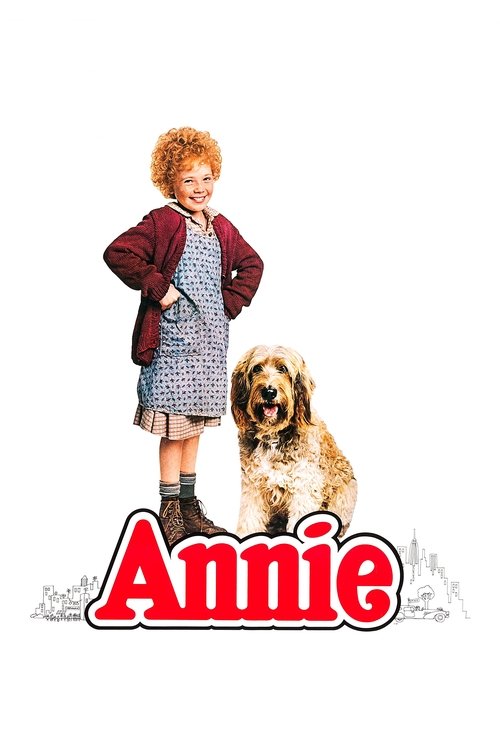
Annie
An orphan in a facility run by the mean Miss Hannigan, Annie believes that her parents left her there by mistake. When a rich man named Oliver "Daddy" Warbucks decides to let an orphan live at his home to promote his image, Annie is selected. While Annie gets accustomed to living in Warbucks' mansion, she still longs to meet her parents. So Warbucks announces a search for them and a reward, which brings out many frauds.
Working with a respectable budget of $35.0M, the film achieved a respectable showing with $57.1M in global revenue (+63% profit margin).
Nominated for 2 Oscars. 3 wins & 13 nominations


Plot Structure
Story beats plotted across runtime


Narrative Arc
Emotional journey through the story's key moments
Story Circle
Blueprint 15-beat structure
Arcplot Score Breakdown
Weighted: Precision (70%) + Arc (15%) + Theme (15%)
Annie (1982) showcases carefully calibrated narrative architecture, characteristic of John Huston's storytelling approach. This structural analysis examines how the film's 15-point plot structure maps to proven narrative frameworks across 2 hours and 7 minutes. With an Arcplot score of 7.0, the film balances conventional beats with creative variation.
Characters
Cast & narrative archetypes

Annie
Oliver Warbucks
Miss Hannigan
Grace Farrell
Rooster Hannigan
Lily St. Regis
Punjab
Main Cast & Characters
Annie
Played by Aileen Quinn
An optimistic 11-year-old orphan searching for her parents while living in Miss Hannigan's orphanage.
Oliver Warbucks
Played by Albert Finney
A billionaire industrialist who initially takes Annie in as a publicity stunt but grows to love her.
Miss Hannigan
Played by Carol Burnett
The cruel, alcoholic director of the orphanage who mistreats the children in her care.
Grace Farrell
Played by Ann Reinking
Warbucks' kind and elegant personal secretary who first brings Annie to his mansion.
Rooster Hannigan
Played by Tim Curry
Miss Hannigan's con-artist brother who schemes to pose as Annie's father to claim reward money.
Lily St. Regis
Played by Bernadette Peters
Rooster's blonde, ditzy girlfriend and accomplice in the scheme to defraud Warbucks.
Punjab
Played by Geoffrey Holder
Warbucks' mystical and loyal servant with Eastern wisdom and apparent magical abilities.
Structural Analysis
The Status Quo at 1 minutes (1% through the runtime) establishes Annie scrubs floors in the orphanage while other girls sleep, establishing her harsh reality under Miss Hannigan's cruel regime. The orphanage is a place of drudgery and despair.. The analysis reveals that this early placement immediately immerses viewers in the story world.
The inciting incident occurs at 15 minutes when Grace Farrell arrives at the orphanage seeking an orphan to stay with Oliver Warbucks for one week during Christmas. This unexpected opportunity disrupts Annie's routine of escape attempts and waiting for her parents.. At 12% through the film, this Disruption aligns precisely with traditional story structure. This beat shifts the emotional landscape, launching the protagonist into the central conflict.
The First Threshold at 33 minutes marks the transition into Act II, occurring at 26% of the runtime. This demonstrates the protagonist's commitment to Annie chooses to trust Oliver Warbucks and his world. After initial awkwardness, she actively engages with him, accepting his invitation to stay and experience a new life. She commits to this temporary new family rather than running back to wait for her parents., moving from reaction to action.
At 64 minutes, the Midpoint arrives at 50% of the runtime—precisely centered, creating perfect narrative symmetry. The analysis reveals that this crucial beat Warbucks decides to adopt Annie and tells her he wants her to be his daughter forever. This appears to be a false victory - Annie has found the family she needs, but she still clings to the fantasy of her birth parents. Stakes raise as she must choose between fantasy and reality., fundamentally raising what's at risk. The emotional intensity shifts, dividing the narrative into clear before-and-after phases.
The Collapse moment at 95 minutes (75% through) represents the emotional nadir. Here, Annie leaves with "her parents" (Rooster and Lily in disguise), believing her dream has come true. Warbucks is devastated, having lost the daughter he loves. The metaphorical death: the genuine family bond is severed for a lie. Annie's innocence and trust have led to potential tragedy., illustrates the protagonist at their lowest point. This beat's placement in the final quarter sets up the climactic reversal.
The Second Threshold at 102 minutes initiates the final act resolution at 81% of the runtime. Annie escapes and climbs the railroad bridge while Warbucks, Grace, FDR, and the police race to save her. The realization: real family is about love and choice, not biology. Annie accepts that Warbucks is her true father, and he acts as one to save her., demonstrating the transformation achieved throughout the journey.
Emotional Journey
Annie's emotional architecture traces a deliberate progression across 15 carefully calibrated beats.
Narrative Framework
This structural analysis employs a 15-point narrative structure framework that maps key story moments. By mapping Annie against these established plot points, we can identify how John Huston utilizes or subverts traditional narrative conventions. The plot point approach reveals not only adherence to structural principles but also creative choices that distinguish Annie within the comedy genre.
John Huston's Structural Approach
Among the 8 John Huston films analyzed on Arcplot, the average structural score is 6.6, demonstrating varied approaches to story architecture. Annie represents one of the director's most structurally precise works. For comparative analysis, explore the complete John Huston filmography.
Comparative Analysis
Additional comedy films include The Bad Guys, Ella Enchanted and The Evening Star. For more John Huston analyses, see The Night of the Iguana, Escape to Victory and The Treasure of the Sierra Madre.
Plot Points by Act
Act I
SetupStatus Quo
Annie scrubs floors in the orphanage while other girls sleep, establishing her harsh reality under Miss Hannigan's cruel regime. The orphanage is a place of drudgery and despair.
Theme
Annie sings "Maybe" - "Maybe far away, or maybe real nearby, he may be pouring her coffee, she may be straightening his tie." The theme of hope and finding family is stated through her belief that her parents will return.
Worldbuilding
Life at the orphanage is established: Miss Hannigan's alcoholism and cruelty, the other orphans, Annie's leadership and optimism despite hardship. Annie attempts to escape multiple times. "It's a Hard Knock Life" crystallizes their world.
Disruption
Grace Farrell arrives at the orphanage seeking an orphan to stay with Oliver Warbucks for one week during Christmas. This unexpected opportunity disrupts Annie's routine of escape attempts and waiting for her parents.
Resistance
Annie is selected and debates whether to go (will her parents find her?). She prepares to leave, says goodbye to the orphans. Miss Hannigan schemes with her brother Rooster. Annie travels to Warbucks' mansion and is overwhelmed by the luxury.
Act II
ConfrontationFirst Threshold
Annie chooses to trust Oliver Warbucks and his world. After initial awkwardness, she actively engages with him, accepting his invitation to stay and experience a new life. She commits to this temporary new family rather than running back to wait for her parents.
Mirror World
Oliver Warbucks, initially cold and business-focused, begins to warm to Annie. Their developing father-daughter relationship becomes the emotional core that will teach both characters about love and family. He takes her to the movies and opens his heart.
Premise
The promise of the premise: Annie experiences wealth and love with Warbucks. "I Think I'm Gonna Like It Here," outings to Radio City and the movies, meeting FDR, the Bonus March scene. Annie brings joy and humanity to Warbucks' sterile world while he provides the family she craves.
Midpoint
Warbucks decides to adopt Annie and tells her he wants her to be his daughter forever. This appears to be a false victory - Annie has found the family she needs, but she still clings to the fantasy of her birth parents. Stakes raise as she must choose between fantasy and reality.
Opposition
Annie rejects Warbucks' adoption, insisting on finding her real parents. Warbucks offers a $50,000 reward, attracting frauds and con artists. Miss Hannigan, Rooster, and Lily plot to claim the reward with fake documents. The opposition intensifies as Annie's dream attracts dangerous people.
Collapse
Annie leaves with "her parents" (Rooster and Lily in disguise), believing her dream has come true. Warbucks is devastated, having lost the daughter he loves. The metaphorical death: the genuine family bond is severed for a lie. Annie's innocence and trust have led to potential tragedy.
Crisis
Dark night of the soul: Annie realizes she's been kidnapped as Rooster reveals his true intentions. Warbucks and Grace discover the deception through Miss Hannigan's drunken confession. Both Annie and Warbucks face their darkest moment before finding resolve.
Act III
ResolutionSecond Threshold
Annie escapes and climbs the railroad bridge while Warbucks, Grace, FDR, and the police race to save her. The realization: real family is about love and choice, not biology. Annie accepts that Warbucks is her true father, and he acts as one to save her.
Synthesis
The finale: Warbucks and Punjab rescue Annie from the bridge. Rooster and Lily are arrested. Miss Hannigan faces consequences but shows remorse. Warbucks officially adopts Annie. FDR announces the New Deal, inspired by Annie's optimism. The chosen family is complete.
Transformation
Annie and Warbucks stand together in the mansion with Grace, Sandy, and the staff as a complete family. "Tomorrow" reprises as Annie, once scrubbing floors in despair, now stands in a loving home she chose and that chose her. The sun has come out.