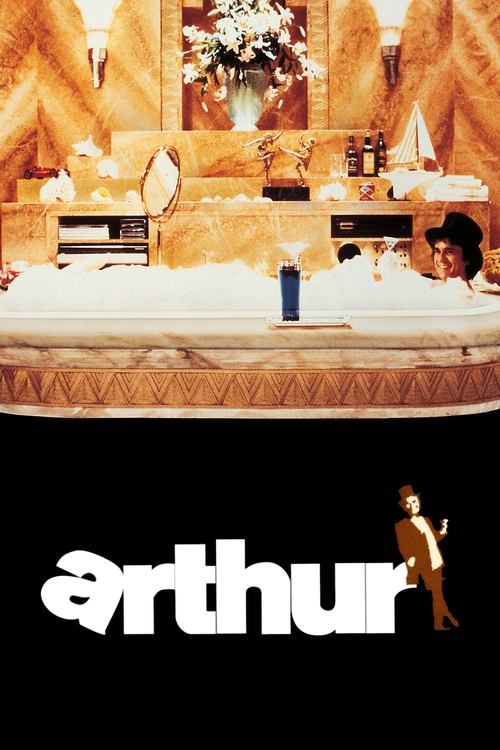
Arthur
Arthur is a 30-year-old child who will inherit $750 million if he complies with his family's demands and marries the woman of their choosing.
Despite its limited budget of $7.0M, Arthur became a massive hit, earning $95.5M worldwide—a remarkable 1264% return. The film's bold vision attracted moviegoers, showing that strong storytelling can transcend budget limitations.
2 Oscars. 12 wins & 6 nominations


Plot Structure
Story beats plotted across runtime


Narrative Arc
Emotional journey through the story's key moments
Story Circle
Blueprint 15-beat structure
Arcplot Score Breakdown
Weighted: Precision (70%) + Arc (15%) + Theme (15%)
Arthur (1981) showcases carefully calibrated story structure, characteristic of Steve Gordon's storytelling approach. This structural analysis examines how the film's 15-point plot structure maps to proven narrative frameworks across 1 hour and 37 minutes. With an Arcplot score of 7.3, the film balances conventional beats with creative variation.
Characters
Cast & narrative archetypes

Arthur Bach
Linda Marolla
Hobson
Susan Johnson
Burt Johnson
Martha Bach
Main Cast & Characters
Arthur Bach
Played by Dudley Moore
A wealthy, charming alcoholic playboy who must choose between his inheritance and true love
Linda Marolla
Played by Liza Minnelli
A working-class waitress and aspiring actress who captures Arthur's heart with her authenticity
Hobson
Played by John Gielgud
Arthur's wise, sardonic butler and father figure who provides guidance and unconditional love
Susan Johnson
Played by Jill Eikenberry
A wealthy heiress whom Arthur is pressured to marry to maintain his inheritance
Burt Johnson
Played by Stephen Elliott
Susan's ruthless father who threatens Arthur to ensure the marriage happens
Martha Bach
Played by Geraldine Fitzgerald
Arthur's stern, controlling grandmother who issues the marriage ultimatum
Structural Analysis
The Status Quo at 1 minutes (1% through the runtime) establishes Arthur Bach drives through Manhattan in his Rolls Royce, drunk and laughing, picking up a prostitute. Establishes him as a perpetually drunk, wealthy playboy living consequence-free.. Significantly, this early placement immediately immerses viewers in the story world.
The inciting incident occurs at 11 minutes when Martha Bach gives Arthur an ultimatum: marry Susan Johnson, the daughter of a powerful businessman, or be cut off from the $750 million family fortune. Arthur must choose between his freedom and his wealth.. At 12% through the film, this Disruption aligns precisely with traditional story structure. This beat shifts the emotional landscape, launching the protagonist into the central conflict.
The First Threshold at 24 minutes marks the transition into Act II, occurring at 24% of the runtime. This illustrates the protagonist's commitment to Arthur meets Linda Marolla in a shoplifting incident at Bergdorf Goodman. Despite his engagement, he actively pursues her, making the choice to explore a genuine connection rather than accept his arranged marriage passively., moving from reaction to action.
At 49 minutes, the Midpoint arrives at 50% of the runtime—precisely centered, creating perfect narrative symmetry. Structural examination shows that this crucial beat Arthur admits to Linda that he loves her and wants to marry her instead of Susan. False victory: he thinks love conquers all and that he can have both Linda and his fortune. Stakes raise as he commits emotionally but hasn't faced the real consequences yet., fundamentally raising what's at risk. The emotional intensity shifts, dividing the narrative into clear before-and-after phases.
The Collapse moment at 71 minutes (73% through) represents the emotional nadir. Here, Hobson dies. Arthur loses his true father figure, the one person who loved him unconditionally and guided him toward becoming a better man. The "whiff of death" is literal. Arthur is now truly alone to make his choice., shows the protagonist at their lowest point. This beat's placement in the final quarter sets up the climactic reversal.
The Second Threshold at 77 minutes initiates the final act resolution at 80% of the runtime. At his wedding to Susan, Arthur has the realization that he must choose Linda and true love, even if it means losing everything. He synthesizes Hobson's lessons about being a good man with his own capacity for love., demonstrating the transformation achieved throughout the journey.
Emotional Journey
Arthur's emotional architecture traces a deliberate progression across 15 carefully calibrated beats.
Narrative Framework
This structural analysis employs proven narrative structure principles that track dramatic progression. By mapping Arthur against these established plot points, we can identify how Steve Gordon utilizes or subverts traditional narrative conventions. The plot point approach reveals not only adherence to structural principles but also creative choices that distinguish Arthur within the comedy genre.
Comparative Analysis
Additional comedy films include The Bad Guys, Ella Enchanted and The Evening Star.
Plot Points by Act
Act I
SetupStatus Quo
Arthur Bach drives through Manhattan in his Rolls Royce, drunk and laughing, picking up a prostitute. Establishes him as a perpetually drunk, wealthy playboy living consequence-free.
Theme
Hobson, Arthur's butler and father figure, observes: "You'll feel a lot better once you've had a bath and a drink." Later adds commentary about Arthur's inability to be serious, hinting at the theme of choosing between wealth and genuine happiness.
Worldbuilding
Introduction to Arthur's world: his massive wealth, his relationship with loyal butler Hobson, his alcoholism, his immaturity. We meet his stern grandmother Martha and learn of the family's social expectations. Arthur attends fancy parties and shows he has money but no purpose.
Disruption
Martha Bach gives Arthur an ultimatum: marry Susan Johnson, the daughter of a powerful businessman, or be cut off from the $750 million family fortune. Arthur must choose between his freedom and his wealth.
Resistance
Arthur debates what to do. Hobson counsels him gently. Arthur meets Susan, who is cold and controlling. He tries to continue his carefree lifestyle while engaged. He's not ready to give up either his money or his freedom, seeking a third option.
Act II
ConfrontationFirst Threshold
Arthur meets Linda Marolla in a shoplifting incident at Bergdorf Goodman. Despite his engagement, he actively pursues her, making the choice to explore a genuine connection rather than accept his arranged marriage passively.
Mirror World
Linda represents everything Arthur's world isn't: she's working-class, authentic, and sees through his wealth to the person underneath. Their developing relationship becomes the emotional core that will teach Arthur what really matters.
Premise
The "fun and games" of Arthur pursuing Linda while engaged to Susan. Comic sequences of dates with Linda, awkward moments with Susan, conversations with Hobson about love versus money. Arthur explores what it means to be with someone who likes him for who he is, not what he has.
Midpoint
Arthur admits to Linda that he loves her and wants to marry her instead of Susan. False victory: he thinks love conquers all and that he can have both Linda and his fortune. Stakes raise as he commits emotionally but hasn't faced the real consequences yet.
Opposition
The Bach family and Susan's father Burt Johnson increase pressure on Arthur. Linda learns about his engagement and feels betrayed. Arthur tries to have it both ways but is forced to confront that he must make a real choice. Hobson urges him to be honest.
Collapse
Hobson dies. Arthur loses his true father figure, the one person who loved him unconditionally and guided him toward becoming a better man. The "whiff of death" is literal. Arthur is now truly alone to make his choice.
Crisis
Arthur grieves Hobson's death and processes his loss. Dark night of the soul as he realizes he's been a child his whole life. He must decide who he wants to be: the perpetual drunk rich kid, or someone capable of real love and sacrifice.
Act III
ResolutionSecond Threshold
At his wedding to Susan, Arthur has the realization that he must choose Linda and true love, even if it means losing everything. He synthesizes Hobson's lessons about being a good man with his own capacity for love.
Synthesis
Arthur halts the wedding and publicly chooses Linda over money. He walks away from his fortune to be with her. Martha Bach, moved by his genuine sacrifice and growth, relents and allows him to keep his inheritance. Arthur gets both love and money, but only after being willing to lose it all.
Transformation
Arthur and Linda together, still wealthy but now Arthur is transformed: he's capable of love, sacrifice, and genuine connection. The final image mirrors the opening drunk-in-a-car scene, but now he has purpose and love. He's still Arthur, but he's grown up.