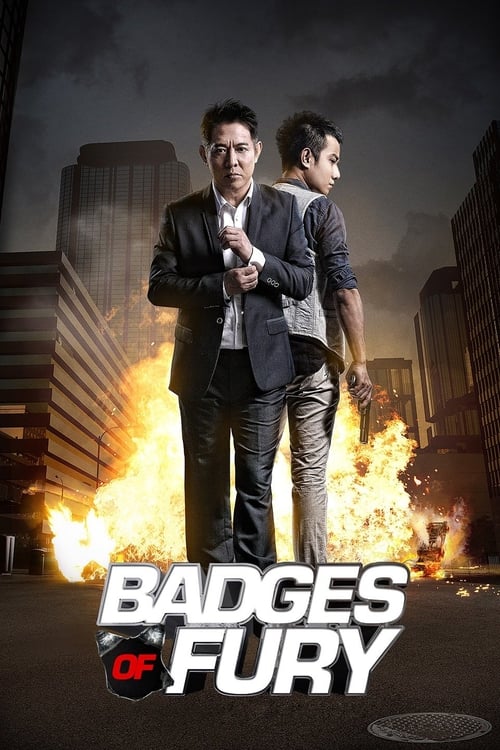
Badges of Fury
When a series of eerie murders erupts across Hong Kong, grizzled veteran Huang and his reckless younger partner Wang, are assigned to track down the killer.
The film earned $46.5M at the global box office.








Plot Structure
Story beats plotted across runtime


Narrative Arc
Emotional journey through the story's key moments
Story Circle
Blueprint 15-beat structure
Arcplot Score Breakdown
Weighted: Precision (70%) + Arc (15%) + Theme (15%)
Badges of Fury (2013) reveals carefully calibrated narrative design, characteristic of Wong Tsz-Ming's storytelling approach. This structural analysis examines how the film's 15-point plot structure maps to proven narrative frameworks across 1 hour and 38 minutes. With an Arcplot score of 7.0, the film balances conventional beats with creative variation.
Characters
Cast & narrative archetypes
Wang Bu Er

Huang Fei Hong
Bai Xiao Nian
Song An Dong
Ma Ru Long
Main Cast & Characters
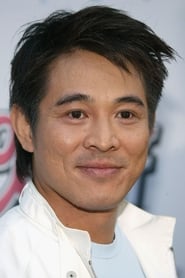
Wang Bu Er
Played by Jet Li
A skilled martial artist detective with exceptional fighting abilities who investigates a series of mysterious deaths.
Huang Fei Hong
Played by Wen Zhang
A veteran detective and Wang Bu Er's partner who provides comic relief and support in the investigation.
Bai Xiao Nian
Played by Liu Shishi
A young woman connected to the case who becomes a romantic interest and provides crucial information.
Song An Dong
Played by Wu Xiubo
The main antagonist, a wealthy and powerful figure with dark secrets behind the mysterious deaths.
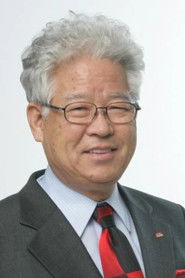
Ma Ru Long
Played by Collin Chou
The stern police captain who oversees the investigation and maintains order in the department.
Structural Analysis
The Status Quo at 1 minutes (1% through the runtime) establishes Detective Wang Bu Er is introduced as an overly enthusiastic, bumbling cop who desperately wants to prove himself, while veteran detective Huang Fei Hong maintains his cool, professional demeanor as the city's top investigator.. Notably, this early placement immediately immerses viewers in the story world.
The inciting incident occurs at 12 minutes when A high-profile businessman dies mysteriously with a smile on his face, making this a major case. Wang and Huang are assigned as unlikely partners to investigate the "Kiss of Death" murders, forcing the mismatched duo together.. At 12% through the film, this Disruption aligns precisely with traditional story structure. This beat shifts the emotional landscape, launching the protagonist into the central conflict.
The First Threshold at 25 minutes marks the transition into Act II, occurring at 26% of the runtime. This shows the protagonist's commitment to Wang actively chooses to fully commit to the investigation and embrace his partnership with Huang, deciding to prove himself as a real detective rather than continuing to play the fool. They officially begin pursuing the primary suspect together., moving from reaction to action.
At 49 minutes, the Midpoint arrives at 50% of the runtime—precisely centered, creating perfect narrative symmetry. Notably, this crucial beat The detectives discover the true scope of the conspiracy—the murders are connected to a larger criminal organization. What seemed like isolated incidents is revealed to be a calculated scheme, raising the stakes dramatically. A false defeat as they realize they're outmatched., fundamentally raising what's at risk. The emotional intensity shifts, dividing the narrative into clear before-and-after phases.
The Collapse moment at 74 minutes (76% through) represents the emotional nadir. Here, Wang is betrayed and framed for misconduct, facing career destruction. His relationship with Wu Qing Qing is shattered by revelations, and Huang is seriously injured protecting him. Wang's credibility as a detective "dies" as he loses everything he's worked for., illustrates the protagonist at their lowest point. This beat's placement in the final quarter sets up the climactic reversal.
The Second Threshold at 79 minutes initiates the final act resolution at 81% of the runtime. Wang synthesizes Huang's lessons about true detective work with his own unique instincts and heart. He realizes that his seeming weaknesses—his empathy and unconventional thinking—are actually strengths. Armed with new evidence and renewed purpose, he chooses to fight back., demonstrating the transformation achieved throughout the journey.
Emotional Journey
Badges of Fury's emotional architecture traces a deliberate progression across 15 carefully calibrated beats.
Narrative Framework
This structural analysis employs proven narrative structure principles that track dramatic progression. By mapping Badges of Fury against these established plot points, we can identify how Wong Tsz-Ming utilizes or subverts traditional narrative conventions. The plot point approach reveals not only adherence to structural principles but also creative choices that distinguish Badges of Fury within the comedy genre.
Comparative Analysis
Additional comedy films include The Ministry of Ungentlemanly Warfare, The Bad Guys and Lake Placid.
Plot Points by Act
Act I
SetupStatus Quo
Detective Wang Bu Er is introduced as an overly enthusiastic, bumbling cop who desperately wants to prove himself, while veteran detective Huang Fei Hong maintains his cool, professional demeanor as the city's top investigator.
Theme
A senior officer remarks that "real police work isn't about being a hero, it's about finding the truth," establishing the theme of substance versus appearance, and true merit versus showmanship.
Worldbuilding
The film establishes the police department dynamics, Wang's unrequited feelings for Wu Qing Qing, Huang's reputation as an untouchable master detective, and the initial mysterious deaths of successful men who die smiling after encounters with beautiful women.
Disruption
A high-profile businessman dies mysteriously with a smile on his face, making this a major case. Wang and Huang are assigned as unlikely partners to investigate the "Kiss of Death" murders, forcing the mismatched duo together.
Resistance
Wang resists working with the intimidating Huang and debates whether he can handle such a high-stakes case. Huang reluctantly mentors Wang, showing him proper investigative techniques while Wang's comedic blunders initially hinder progress.
Act II
ConfrontationFirst Threshold
Wang actively chooses to fully commit to the investigation and embrace his partnership with Huang, deciding to prove himself as a real detective rather than continuing to play the fool. They officially begin pursuing the primary suspect together.
Mirror World
The investigation brings Wang closer to Wu Qing Qing, who becomes central to both the case and Wang's emotional journey. Their relationship deepens, representing the thematic exploration of genuine connection versus superficial attraction.
Premise
The "fun and games" of the buddy-cop dynamic plays out: Wang and Huang investigate various suspects, encounter absurd action sequences, martial arts confrontations, and comedic misunderstandings while uncovering the pattern behind the mysterious deaths.
Midpoint
The detectives discover the true scope of the conspiracy—the murders are connected to a larger criminal organization. What seemed like isolated incidents is revealed to be a calculated scheme, raising the stakes dramatically. A false defeat as they realize they're outmatched.
Opposition
The criminal organization fights back aggressively. Wang and Huang face increasing danger, their investigation is undermined by corruption within the force, and Wang's personal relationships become threatened. The antagonists close in from multiple angles.
Collapse
Wang is betrayed and framed for misconduct, facing career destruction. His relationship with Wu Qing Qing is shattered by revelations, and Huang is seriously injured protecting him. Wang's credibility as a detective "dies" as he loses everything he's worked for.
Crisis
Wang wallows in his dark night of the soul, questioning whether he ever had what it takes to be a real detective. He processes the loss of his reputation, his mentor's injury, and his romantic hopes, contemplating giving up entirely.
Act III
ResolutionSecond Threshold
Wang synthesizes Huang's lessons about true detective work with his own unique instincts and heart. He realizes that his seeming weaknesses—his empathy and unconventional thinking—are actually strengths. Armed with new evidence and renewed purpose, he chooses to fight back.
Synthesis
Wang and the recovered Huang execute their plan to expose the conspiracy. The finale features elaborate action sequences, the unmasking of the true villain, and Wang using both his learned skills and innate qualities to save the day and clear his name.
Transformation
Wang is celebrated as a legitimate detective, having earned genuine respect rather than seeking empty glory. He stands confidently alongside Huang as an equal partner, transformed from bumbling wannabe to authentic hero who found his own path.