
Bob Marley: One Love
The story of how reggae icon Bob Marley overcame adversity, and the journey behind his revolutionary music.
Despite a moderate budget of $70.0M, Bob Marley: One Love became a commercial success, earning $180.8M worldwide—a 158% return.
3 wins & 14 nominations


Plot Structure
Story beats plotted across runtime


Narrative Arc
Emotional journey through the story's key moments
Story Circle
Blueprint 15-beat structure
Arcplot Score Breakdown
Weighted: Precision (70%) + Arc (15%) + Theme (15%)
Bob Marley: One Love (2024) exemplifies precise plot construction, characteristic of Reinaldo Marcus Green's storytelling approach. This structural analysis examines how the film's 15-point plot structure maps to proven narrative frameworks across 1 hour and 44 minutes. With an Arcplot score of 6.7, the film balances conventional beats with creative variation.
Characters
Cast & narrative archetypes

Bob Marley

Rita Marley
Don Taylor

Cindy Breakspeare

Lee Jaffe

Peter Tosh
Bunny Wailer

Chris Blackwell
Main Cast & Characters
Bob Marley
Played by Kingsley Ben-Adir
Legendary Jamaican reggae musician and activist spreading messages of peace, love, and unity through his music while navigating personal struggles and political turmoil.
Rita Marley
Played by Lashana Lynch
Bob's wife and fellow musician, providing emotional support and stability while managing her own musical career and family responsibilities.
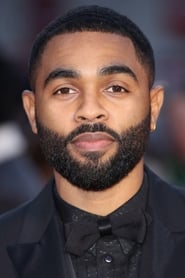
Don Taylor
Played by Anthony Welsh
Bob Marley's manager and close confidant, helping navigate the music industry and international tours.
Cindy Breakspeare
Played by Umi Myers
Miss World 1976 and Bob's romantic interest, representing a complication in his personal life.
Lee Jaffe
Played by Tosin Cole
American photographer and musician who becomes part of Bob's inner circle and documents his journey.
Peter Tosh
Played by Sheldon Shepherd
Member of The Wailers and Bob's musical partner, representing the collaborative yet tension-filled early days.
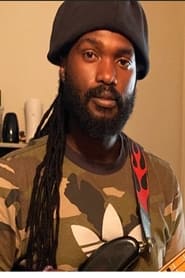
Bunny Wailer
Played by Aston Barrett Jr.
Original member of The Wailers, Bob's close friend and musical collaborator with strong Rastafarian beliefs.
Chris Blackwell
Played by James Norton
Island Records founder who signs Bob Marley and helps bring reggae to international audiences.
Structural Analysis
The Status Quo at 1 minutes (1% through the runtime) establishes Bob Marley is at the height of his musical success in Jamaica, performing to massive crowds and spreading his message of unity and peace through reggae music.. Structural examination shows that this early placement immediately immerses viewers in the story world.
The inciting incident occurs at 13 minutes when Armed gunmen attack Bob Marley's home in an assassination attempt two days before the Smile Jamaica concert, shooting Bob, Rita, and Don Taylor, shattering their sense of safety.. At 12% through the film, this Disruption aligns precisely with traditional story structure. This beat shifts the emotional landscape, launching the protagonist into the central conflict.
The First Threshold at 26 minutes marks the transition into Act II, occurring at 25% of the runtime. This indicates the protagonist's commitment to Bob chooses to perform at the Smile Jamaica concert despite the assassination attempt, demonstrating his courage and commitment. After performing, he decides to leave Jamaica for exile in London., moving from reaction to action.
At 51 minutes, the Midpoint arrives at 49% of the runtime—precisely centered, creating perfect narrative symmetry. Of particular interest, this crucial beat Bob receives an invitation to perform at the One Love Peace Concert in Jamaica, representing a chance to return home and fulfill his mission of unity, but also raising the stakes of potential danger., fundamentally raising what's at risk. The emotional intensity shifts, dividing the narrative into clear before-and-after phases.
The Collapse moment at 77 minutes (74% through) represents the emotional nadir. Here, Bob receives devastating medical news that the cancer in his toe has spread throughout his body, and doctors recommend amputation. He faces his mortality and the potential end of his mission and music., indicates the protagonist at their lowest point. This beat's placement in the final quarter sets up the climactic reversal.
The Second Threshold at 81 minutes initiates the final act resolution at 78% of the runtime. Bob refuses amputation and chooses to return to Jamaica for the One Love Peace Concert, realizing that his mission transcends his individual life and that he must fulfill his purpose regardless of personal cost., demonstrating the transformation achieved throughout the journey.
Emotional Journey
Bob Marley: One Love's emotional architecture traces a deliberate progression across 15 carefully calibrated beats.
Narrative Framework
This structural analysis employs a 15-point narrative structure framework that maps key story moments. By mapping Bob Marley: One Love against these established plot points, we can identify how Reinaldo Marcus Green utilizes or subverts traditional narrative conventions. The plot point approach reveals not only adherence to structural principles but also creative choices that distinguish Bob Marley: One Love within the biography genre.
Reinaldo Marcus Green's Structural Approach
Among the 2 Reinaldo Marcus Green films analyzed on Arcplot, the average structural score is 6.6, demonstrating varied approaches to story architecture. Bob Marley: One Love represents one of the director's most structurally precise works. For comparative analysis, explore the complete Reinaldo Marcus Green filmography.
Comparative Analysis
Additional biography films include After Thomas, Taking Woodstock and The Fire Inside. For more Reinaldo Marcus Green analyses, see King Richard.
Plot Points by Act
Act I
SetupStatus Quo
Bob Marley is at the height of his musical success in Jamaica, performing to massive crowds and spreading his message of unity and peace through reggae music.
Theme
A conversation about music's power to unite people and transcend political violence establishes the film's central question: Can love and music overcome hatred and division?
Worldbuilding
Establishment of 1976 Jamaica during political turmoil, Bob's family life with Rita and their children, his role as both musician and peacemaker, and the dangerous political climate threatening the country.
Disruption
Armed gunmen attack Bob Marley's home in an assassination attempt two days before the Smile Jamaica concert, shooting Bob, Rita, and Don Taylor, shattering their sense of safety.
Resistance
Bob debates whether to perform at the concert despite being shot, wrestling with fear versus his commitment to peace. Rita and his band urge caution, while Bob considers what his message truly means.
Act II
ConfrontationFirst Threshold
Bob chooses to perform at the Smile Jamaica concert despite the assassination attempt, demonstrating his courage and commitment. After performing, he decides to leave Jamaica for exile in London.
Mirror World
In London, Bob reconnects with his band and begins working on the Exodus album, exploring themes of displacement, identity, and liberation that mirror his personal journey and spiritual growth.
Premise
Bob and the Wailers create the Exodus and Kaya albums in London, tour Europe, achieve international success, and spread reggae music globally while Bob grapples with being separated from Jamaica and his roots.
Midpoint
Bob receives an invitation to perform at the One Love Peace Concert in Jamaica, representing a chance to return home and fulfill his mission of unity, but also raising the stakes of potential danger.
Opposition
Bob faces mounting pressures: tensions with Rita over fidelity and family, health issues including a football injury to his toe, resistance from political factions in Jamaica, and doubts about whether he can truly make a difference.
Collapse
Bob receives devastating medical news that the cancer in his toe has spread throughout his body, and doctors recommend amputation. He faces his mortality and the potential end of his mission and music.
Crisis
Bob wrestles with his diagnosis and what it means for his purpose. He contemplates his legacy, his faith, and whether his message of love and unity has truly taken root or will die with him.
Act III
ResolutionSecond Threshold
Bob refuses amputation and chooses to return to Jamaica for the One Love Peace Concert, realizing that his mission transcends his individual life and that he must fulfill his purpose regardless of personal cost.
Synthesis
Bob performs at the One Love Peace Concert and brings rival political leaders together on stage in a historic moment of unity. He achieves his dream of peace through music, though his health continues to decline.
Transformation
Final images show Bob's legacy living on through his music and message, which continues to unite and inspire people worldwide long after his death, proving that love and music can transcend mortality.