
Born in East L.A.
Rudy, an American of Hispanic descent, whose south-of-the-border looks show him no mercy during an immigration raid in a migrant worker factory. As his luck goes, he is caught with neither money nor his ID and is deported to Mexico - without speaking a word of Spanish!
The film earned $17.4M at the global box office.

Plot Structure
Story beats plotted across runtime


Narrative Arc
Emotional journey through the story's key moments
Story Circle
Blueprint 15-beat structure
Arcplot Score Breakdown
Weighted: Precision (70%) + Arc (15%) + Theme (15%)
Born in East L.A. (1987) demonstrates carefully calibrated plot construction, characteristic of Cheech Marin's storytelling approach. This structural analysis examines how the film's 15-point plot structure maps to proven narrative frameworks across 1 hour and 25 minutes. With an Arcplot score of 7.0, the film balances conventional beats with creative variation.
Characters
Cast & narrative archetypes

Rudy Robles

Dolly

Jimmy

Javier
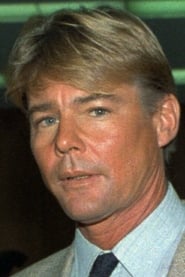
Feo
Main Cast & Characters
Rudy Robles
Played by Cheech Marin
An East L.A. native who is mistakenly deported to Mexico and must find his way back home despite having no knowledge of Spanish or Mexican culture.
Dolly
Played by Kamala Lopez
A young woman from El Salvador that Rudy meets in Tijuana who dreams of crossing the border to reunite with her family.
Jimmy
Played by Daniel Stern
Rudy's cousin and friend who inadvertently leaves him behind during the immigration raid.
Javier
Played by Paul Rodriguez
A savvy Tijuana hustler who befriends Rudy and helps him navigate the border town while teaching him survival skills.
Feo
Played by Jan-Michael Vincent
A corrupt and menacing coyote who exploits desperate immigrants trying to cross the border.
Structural Analysis
The Status Quo at 1 minutes (1% through the runtime) establishes Rudy Robles, a third-generation Mexican-American, lives comfortably in East L.A., working in his family's toy factory, completely assimilated into American culture and unable to speak Spanish fluently.. The analysis reveals that this early placement immediately immerses viewers in the story world.
The inciting incident occurs at 10 minutes when During an INS raid at the factory where Rudy goes to pick up his cousin, he is swept up without his wallet and deported to Tijuana despite being born in the United States. His American identity is stripped away.. At 12% through the film, this Disruption aligns precisely with traditional story structure. This beat shifts the emotional landscape, launching the protagonist into the central conflict.
The First Threshold at 21 minutes marks the transition into Act II, occurring at 25% of the runtime. This illustrates the protagonist's commitment to Rudy decides he must actively find a way back across the border and commits to surviving in Tijuana while figuring out how to prove his identity and return home. He enters the world of illegal immigration., moving from reaction to action.
At 43 minutes, the Midpoint arrives at 50% of the runtime—precisely centered, creating perfect narrative symmetry. Structural examination shows that this crucial beat A major border crossing attempt fails spectacularly. Rudy realizes that getting back won't be easy and he's stuck in limbo. Stakes raise as he runs out of money and options, while his connection to Dolores deepens., fundamentally raising what's at risk. The emotional intensity shifts, dividing the narrative into clear before-and-after phases.
The Collapse moment at 63 minutes (74% through) represents the emotional nadir. Here, Rudy hits rock bottom, nearly giving up hope of returning home. His American dream dies as he realizes how fragile citizenship and identity truly are. He faces the possibility of being permanently exiled from his own country., indicates the protagonist at their lowest point. This beat's placement in the final quarter sets up the climactic reversal.
The Second Threshold at 68 minutes initiates the final act resolution at 80% of the runtime. Rudy organizes a mass border crossing, using everything he's learned and combining his American resourcefulness with his newfound understanding of the immigrant struggle. He becomes a leader helping others cross with Dolores., demonstrating the transformation achieved throughout the journey.
Emotional Journey
Born in East L.A.'s emotional architecture traces a deliberate progression across 15 carefully calibrated beats.
Narrative Framework
This structural analysis employs structural analysis methodology used to understand storytelling architecture. By mapping Born in East L.A. against these established plot points, we can identify how Cheech Marin utilizes or subverts traditional narrative conventions. The plot point approach reveals not only adherence to structural principles but also creative choices that distinguish Born in East L.A. within the comedy genre.
Comparative Analysis
Additional comedy films include The Bad Guys, Ella Enchanted and The Evening Star.
Plot Points by Act
Act I
SetupStatus Quo
Rudy Robles, a third-generation Mexican-American, lives comfortably in East L.A., working in his family's toy factory, completely assimilated into American culture and unable to speak Spanish fluently.
Theme
Rudy's mother asks him to pick up his cousin at a factory, commenting on identity and family responsibility. The theme of cultural identity and belonging is introduced through family obligations.
Worldbuilding
Establishment of Rudy's world in East L.A.: his job, his lack of Spanish skills, his American identity, and his comfortable but complacent life. We see his relationships and his place in the community.
Disruption
During an INS raid at the factory where Rudy goes to pick up his cousin, he is swept up without his wallet and deported to Tijuana despite being born in the United States. His American identity is stripped away.
Resistance
Rudy struggles in Tijuana, unable to prove his citizenship, facing the absurdity of his situation. He debates how to get back home, encountering other deportees and learning about the underground border-crossing world.
Act II
ConfrontationFirst Threshold
Rudy decides he must actively find a way back across the border and commits to surviving in Tijuana while figuring out how to prove his identity and return home. He enters the world of illegal immigration.
Mirror World
Rudy meets Dolores, a Salvadoran woman desperate to get to the U.S. to reunite with her family. She represents the genuine immigrant experience and hope, contrasting with Rudy's taken-for-granted American identity.
Premise
Rudy navigates life in Tijuana, working various jobs, attempting multiple border crossings, learning Spanish, and experiencing the struggles of those trying to reach America. The comedy of fish-out-of-water meets social commentary.
Midpoint
A major border crossing attempt fails spectacularly. Rudy realizes that getting back won't be easy and he's stuck in limbo. Stakes raise as he runs out of money and options, while his connection to Dolores deepens.
Opposition
Rudy faces increasing challenges: financial desperation, dangerous coyotes, corrupt officials, and the emotional toll of separation from home. His privileged American perspective is confronted by harsh realities faced by real immigrants.
Collapse
Rudy hits rock bottom, nearly giving up hope of returning home. His American dream dies as he realizes how fragile citizenship and identity truly are. He faces the possibility of being permanently exiled from his own country.
Crisis
Rudy processes his transformation, reflecting on what he's learned about his heritage, identity, and the immigrant experience. He contemplates who he was versus who he's become through this ordeal.
Act III
ResolutionSecond Threshold
Rudy organizes a mass border crossing, using everything he's learned and combining his American resourcefulness with his newfound understanding of the immigrant struggle. He becomes a leader helping others cross with Dolores.
Synthesis
The elaborate finale crossing sequence where Rudy leads a group including Dolores across the border, evading authorities, using creativity and cultural knowledge. The plan unfolds with both tension and comedy.
Transformation
Rudy successfully returns to East L.A., transformed from a complacent, culturally disconnected American into someone who understands and values his heritage and the immigrant experience. He reunites with Dolores in America.