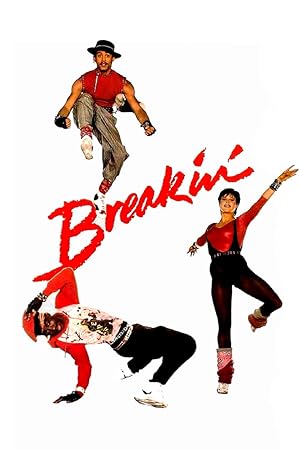
Breakin'
A struggling young jazz dancer meets up with two break-dancers. Together they become the sensation of the street crowds.
Despite its tight budget of $1.2M, Breakin' became a runaway success, earning $38.7M worldwide—a remarkable 3124% return. The film's unique voice engaged audiences, illustrating how strong storytelling can transcend budget limitations.
2 nominations
Plot Structure
Story beats plotted across runtime


Narrative Arc
Emotional journey through the story's key moments
Story Circle
Blueprint 15-beat structure
Arcplot Score Breakdown
Weighted: Precision (70%) + Arc (15%) + Theme (15%)
Breakin' (1984) showcases carefully calibrated dramatic framework, characteristic of Joel Silberg's storytelling approach. This structural analysis examines how the film's 15-point plot structure maps to proven narrative frameworks across 1 hour and 30 minutes. With an Arcplot score of 7.1, the film balances conventional beats with creative variation.
Characters
Cast & narrative archetypes

Kelly Bennett
Ozone
Turbo
Franco
James
Main Cast & Characters
Kelly Bennett
Played by Lucinda Dickey
A jazz dancer who discovers street breakdancing and must choose between her traditional dance career and the new hip-hop culture
Ozone
Played by Adolfo Quinones
A charismatic street dancer and b-boy who introduces Kelly to the breakdancing world and becomes her dance partner
Turbo
Played by Michael Chambers
Ozone's best friend and dance crew member, known for his athletic popping and locking style
Franco
Played by Ben Lokey
Kelly's traditional dance instructor who represents the established dance world and disapproves of street dancing
James
Played by Christopher McDonald
Kelly's supportive agent who helps navigate her career decisions between traditional and street dance
Structural Analysis
The Status Quo at 1 minutes (1% through the runtime) establishes Kelly struggles in Franco's jazz dance class, feeling constrained by traditional choreography and his dismissive attitude toward her potential.. The analysis reveals that this early placement immediately immerses viewers in the story world.
The inciting incident occurs at 11 minutes when Kelly witnesses Ozone and Turbo's incredible breakdancing street performance and is captivated. She realizes there's a whole world of authentic expression she's been missing.. At 12% through the film, this Disruption aligns precisely with traditional story structure. This beat shifts the emotional landscape, launching the protagonist into the central conflict.
The First Threshold at 21 minutes marks the transition into Act II, occurring at 24% of the runtime. This shows the protagonist's commitment to Kelly makes the active choice to join Ozone and Turbo, committing to learn breakdancing and street culture. The trio officially becomes a dance group., moving from reaction to action.
At 45 minutes, the Midpoint arrives at 50% of the runtime—precisely centered, creating perfect narrative symmetry. Structural examination shows that this crucial beat The trio gets an opportunity to audition for a major talent showcase. False victory: it seems like their big break, but the establishment dance world still doesn't take street dance seriously. Stakes raise., fundamentally raising what's at risk. The emotional intensity shifts, dividing the narrative into clear before-and-after phases.
The Collapse moment at 66 minutes (74% through) represents the emotional nadir. Here, Franco sabotages their chance at the showcase or delivers devastating criticism that threatens to break up the group. Kelly feels torn between her old world and new family. The dream of acceptance appears dead., indicates the protagonist at their lowest point. This beat's placement in the final quarter sets up the climactic reversal.
The Second Threshold at 72 minutes initiates the final act resolution at 80% of the runtime. The trio realizes they don't need establishment approval—they dance for themselves and their community. Kelly synthesizes her technical training with street authenticity. They commit to performing their way at the final showcase., demonstrating the transformation achieved throughout the journey.
Emotional Journey
Breakin''s emotional architecture traces a deliberate progression across 15 carefully calibrated beats.
Narrative Framework
This structural analysis employs systematic plot point analysis that identifies crucial turning points. By mapping Breakin' against these established plot points, we can identify how Joel Silberg utilizes or subverts traditional narrative conventions. The plot point approach reveals not only adherence to structural principles but also creative choices that distinguish Breakin' within the comedy genre.
Comparative Analysis
Additional comedy films include The Bad Guys, Ella Enchanted and The Evening Star.
Plot Points by Act
Act I
SetupStatus Quo
Kelly struggles in Franco's jazz dance class, feeling constrained by traditional choreography and his dismissive attitude toward her potential.
Theme
Adam tells Kelly that real dance comes from the streets and the heart, not from stuffy studios. He suggests she needs to find her own authentic style.
Worldbuilding
Kelly's frustration with traditional dance world; introduction to Venice Beach street dance scene; Ozone and Turbo perform and battle; establishment of class divide between street and studio dance.
Disruption
Kelly witnesses Ozone and Turbo's incredible breakdancing street performance and is captivated. She realizes there's a whole world of authentic expression she's been missing.
Resistance
Kelly approaches Ozone and Turbo; initial resistance and skepticism from the street dancers about the 'jazz princess'; Kelly debates whether she can bridge these two worlds; gradual warming as they see her genuine interest.
Act II
ConfrontationFirst Threshold
Kelly makes the active choice to join Ozone and Turbo, committing to learn breakdancing and street culture. The trio officially becomes a dance group.
Mirror World
Ozone and Kelly share a moment of connection as he teaches her; their developing romance represents the fusion of two different worlds, embodying the theme of breaking down barriers.
Premise
Kelly trains with Ozone and Turbo; montage of learning breakdancing moves; the fun of cultural fusion and discovery; various street performances; the joy of finding authentic expression; chemistry builds between Kelly and Ozone.
Midpoint
The trio gets an opportunity to audition for a major talent showcase. False victory: it seems like their big break, but the establishment dance world still doesn't take street dance seriously. Stakes raise.
Opposition
Franco and the traditional dance establishment actively work against them; tension between Kelly's two worlds intensifies; doubts emerge about whether fusion is possible; conflicts within the trio about compromise vs. authenticity; pressure mounts before the big show.
Collapse
Franco sabotages their chance at the showcase or delivers devastating criticism that threatens to break up the group. Kelly feels torn between her old world and new family. The dream of acceptance appears dead.
Crisis
The trio struggles with doubt and defeat; Kelly questions whether she belongs in either world; dark moment of potential separation; each character faces their fears about being rejected or selling out.
Act III
ResolutionSecond Threshold
The trio realizes they don't need establishment approval—they dance for themselves and their community. Kelly synthesizes her technical training with street authenticity. They commit to performing their way at the final showcase.
Synthesis
The climactic performance showcase where Kelly, Ozone, and Turbo perform their fusion of street breakdancing and technical skill. They wow the crowd with authentic expression, proving that street dance is legitimate art.
Transformation
Kelly, Ozone, and Turbo celebrate together, fully accepted and validated. Kelly has transformed from constrained studio dancer to authentic artist who bridges worlds. The trio stands united, having revolutionized the dance scene.