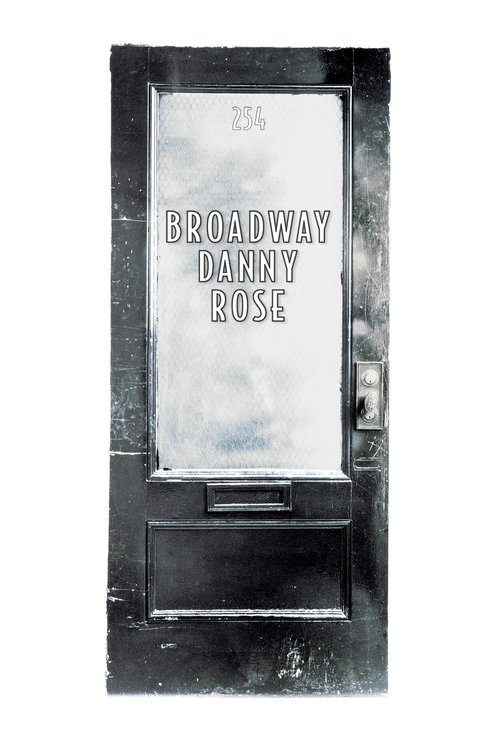
Broadway Danny Rose
A hapless talent manager named Danny Rose, by helping a client, gets dragged into a love triangle involving the mob. His story is told in flashback, an anecdote shared amongst a group of comedians over lunch at New York's Carnegie Deli. Rose's one-man talent agency represents countless incompetent entertainers, including a one-legged tap dancer, and one slightly talented one: washed-up lounge singer Lou Canova, whose career is on the rebound.
Working with a tight budget of $8.0M, the film achieved a modest success with $10.6M in global revenue (+33% profit margin).
Nominated for 2 Oscars. 3 wins & 5 nominations


Plot Structure
Story beats plotted across runtime


Narrative Arc
Emotional journey through the story's key moments
Story Circle
Blueprint 15-beat structure
Arcplot Score Breakdown
Weighted: Precision (70%) + Arc (15%) + Theme (15%)
Broadway Danny Rose (1984) showcases deliberately positioned plot construction, characteristic of Woody Allen's storytelling approach. This structural analysis examines how the film's 15-point plot structure maps to proven narrative frameworks across 1 hour and 24 minutes. With an Arcplot score of 7.6, the film showcases strong structural fundamentals.
Characters
Cast & narrative archetypes

Danny Rose
Tina Vitale
Lou Canova
Main Cast & Characters
Danny Rose
Played by Woody Allen
A hapless theatrical agent who represents struggling variety acts and gets caught up in a mobster's vendetta while helping his client's mistress.
Tina Vitale
Played by Mia Farrow
The tough, brassy mistress of singer Lou Canova who initially uses Danny but gradually develops respect for his decency.
Lou Canova
Played by Nick Apollo Forte
A washed-up lounge singer making a comeback who callously uses Danny's dedication while carrying on an affair.
Structural Analysis
The Status Quo at 1 minutes (1% through the runtime) establishes Frame story: Comedians at Carnegie Deli sharing stories about Danny Rose, establishing him as a legendary small-time agent known for representing hopeless acts with boundless loyalty.. Significantly, this early placement immediately immerses viewers in the story world.
The inciting incident occurs at 9 minutes when Lou Canova insists his mistress Tina must be at the Milton Berle party/audition or he won't perform. Danny's simple task becomes complicated - he must pick up Tina while hiding the affair from Lou's wife.. At 11% through the film, this Disruption aligns precisely with traditional story structure. This beat shifts the emotional landscape, launching the protagonist into the central conflict.
The First Threshold at 20 minutes marks the transition into Act II, occurring at 24% of the runtime. This demonstrates the protagonist's commitment to Danny actively chooses to pose as Tina's boyfriend to fool her jealous ex-boyfriend's mobster brothers at the party. This lie launches him into a dangerous new world beyond show business., moving from reaction to action.
At 41 minutes, the Midpoint arrives at 49% of the runtime—precisely centered, creating perfect narrative symmetry. Of particular interest, this crucial beat False victory: Lou's performance at the party is a huge success. Milton Berle loved it. Danny's sacrifice seems worth it - his loyalty has paid off. But Tina has fallen for Danny, complicating everything., fundamentally raising what's at risk. The emotional intensity shifts, dividing the narrative into clear before-and-after phases.
The Collapse moment at 61 minutes (73% through) represents the emotional nadir. Here, All is lost: Danny is abandoned by Lou, hunted by mobsters, with no money and no prospects. His loyalty has been repaid with total betrayal. At a gathering, everyone blames Danny. His reputation is destroyed., demonstrates the protagonist at their lowest point. This beat's placement in the final quarter sets up the climactic reversal.
The Second Threshold at 67 minutes initiates the final act resolution at 79% of the runtime. Danny has a revelation about forgiveness at Thanksgiving. He realizes that holding grudges goes against his nature. He decides he must forgive Tina, synthesizing his loyalty with self-respect - he can forgive without being a doormat., demonstrating the transformation achieved throughout the journey.
Emotional Journey
Broadway Danny Rose's emotional architecture traces a deliberate progression across 15 carefully calibrated beats.
Narrative Framework
This structural analysis employs proven narrative structure principles that track dramatic progression. By mapping Broadway Danny Rose against these established plot points, we can identify how Woody Allen utilizes or subverts traditional narrative conventions. The plot point approach reveals not only adherence to structural principles but also creative choices that distinguish Broadway Danny Rose within the comedy genre.
Woody Allen's Structural Approach
Among the 42 Woody Allen films analyzed on Arcplot, the average structural score is 7.0, demonstrating varied approaches to story architecture. Broadway Danny Rose represents one of the director's most structurally precise works. For comparative analysis, explore the complete Woody Allen filmography.
Comparative Analysis
Additional comedy films include The Bad Guys, Ella Enchanted and The Evening Star. For more Woody Allen analyses, see Everyone Says I Love You, Celebrity and Interiors.
Plot Points by Act
Act I
SetupStatus Quo
Frame story: Comedians at Carnegie Deli sharing stories about Danny Rose, establishing him as a legendary small-time agent known for representing hopeless acts with boundless loyalty.
Theme
A comedian states: "Danny would do anything for his acts" - establishing the theme of loyalty and self-sacrifice. The question: Is unconditional loyalty virtuous or foolish?
Worldbuilding
Flashback begins. We see Danny managing absurd acts (blind xylophonist, bird trainer, balloon folders). He gets Lou Canova a shot at a nostalgia concert. Danny juggles multiple terrible clients with eternal optimism.
Disruption
Lou Canova insists his mistress Tina must be at the Milton Berle party/audition or he won't perform. Danny's simple task becomes complicated - he must pick up Tina while hiding the affair from Lou's wife.
Resistance
Danny reluctantly agrees to help Lou. He meets the cynical, tough Tina Vitale. She immediately clashes with Danny's earnest personality. Danny debates whether this deception is worth it but needs Lou's success.
Act II
ConfrontationFirst Threshold
Danny actively chooses to pose as Tina's boyfriend to fool her jealous ex-boyfriend's mobster brothers at the party. This lie launches him into a dangerous new world beyond show business.
Mirror World
Tina and Danny are forced together fleeing the mobsters. Their relationship deepens - she represents everything opposite to Danny: cynical, self-interested, disloyal. She will teach him about self-preservation.
Premise
The "fun and games" of Danny and Tina on the run from mobsters - hiding in a warehouse, escaping in various vehicles, visiting Tina's fortune teller. Comic chase sequences mixed with growing connection between opposites.
Midpoint
False victory: Lou's performance at the party is a huge success. Milton Berle loved it. Danny's sacrifice seems worth it - his loyalty has paid off. But Tina has fallen for Danny, complicating everything.
Opposition
Tina betrays Danny by telling the mobsters that Danny orchestrated everything, saving herself. Lou fires Danny and takes a big agent. Danny loses everything - his one successful client, his reputation. The mob hunts Danny.
Collapse
All is lost: Danny is abandoned by Lou, hunted by mobsters, with no money and no prospects. His loyalty has been repaid with total betrayal. At a gathering, everyone blames Danny. His reputation is destroyed.
Crisis
Danny processes his devastation. He returns to his pathetic acts, questioning his life philosophy. Tina feels guilty and seeks forgiveness but Danny refuses to see her. Danny's dark night of self-doubt.
Act III
ResolutionSecond Threshold
Danny has a revelation about forgiveness at Thanksgiving. He realizes that holding grudges goes against his nature. He decides he must forgive Tina, synthesizing his loyalty with self-respect - he can forgive without being a doormat.
Synthesis
Danny searches for Tina to forgive her. He navigates obstacles to find her. They reconcile. Danny maintains his decency and capacity for forgiveness while having learned self-worth. The mobsters understand and make peace.
Transformation
Back at Carnegie Deli, the comedians conclude Danny's story with admiration and warmth. Final image: Danny walks with Tina, still himself but transformed - loyal but no longer a doormat, decent but with self-respect.