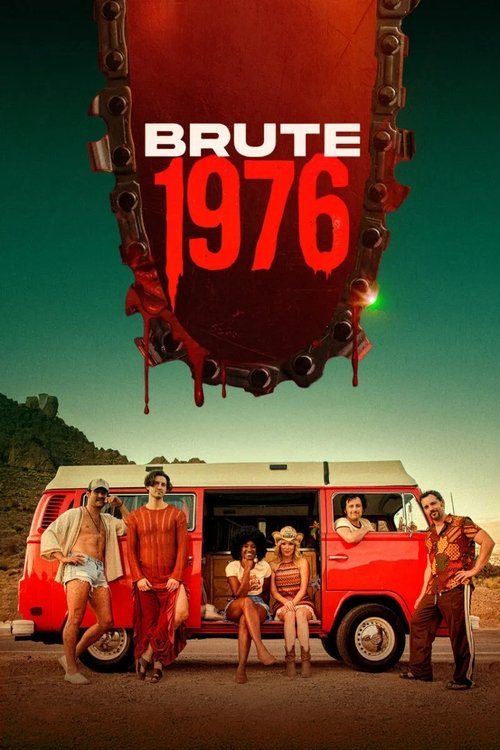
Brute 1976


Plot Structure
Story beats plotted across runtime


Narrative Arc
Emotional journey through the story's key moments
Story Circle
Blueprint 15-beat structure
Structural Analysis
The Status Quo at 1 minutes (1% through the runtime) establishes Young Kazimierz Deyna grows up in the working-class mining town of Starogard Gdański, playing street football with raw talent that sets him apart from his peers.. The analysis reveals that this early placement immediately immerses viewers in the story world.
The inciting incident occurs at 13 minutes when Kazimierz is scouted by Legia Warsaw and offered the chance to play professional football, forcing him to leave his hometown and family behind.. At 12% through the film, this Disruption aligns precisely with traditional story structure. This beat shifts the emotional landscape, launching the protagonist into the central conflict.
The First Threshold at 26 minutes marks the transition into Act II, occurring at 25% of the runtime. This shows the protagonist's commitment to Kazimierz commits fully to his football career, accepting his role with the Polish national team and embracing the identity of "Brute" - the unstoppable midfielder., moving from reaction to action.
At 53 minutes, the Midpoint arrives at 50% of the runtime—precisely centered, creating perfect narrative symmetry. The analysis reveals that this crucial beat The iconic 1976 Montreal Olympics where Poland wins silver. Kazimierz is at the peak of his fame, but the false victory conceals the cracks forming in his life - alcohol dependence is already taking hold., fundamentally raising what's at risk. The emotional intensity shifts, dividing the narrative into clear before-and-after phases.
The Collapse moment at 79 minutes (75% through) represents the emotional nadir. Here, Kazimierz's football career ends in failure. Alone in America, estranged from his family, drowning in alcoholism, he confronts the emptiness of a life defined only by past glory., illustrates the protagonist at their lowest point. This beat's placement in the final quarter sets up the climactic reversal.
The Second Threshold at 84 minutes initiates the final act resolution at 80% of the runtime. Kazimierz receives news from Poland that he is still remembered and loved. He decides to return home, seeking reconciliation with his past and family., demonstrating the transformation achieved throughout the journey.
Emotional Journey
Brute 1976's emotional architecture traces a deliberate progression across 15 carefully calibrated beats.
Narrative Framework
This structural analysis employs proven narrative structure principles that track dramatic progression. By mapping Brute 1976 against these established plot points, we can identify how Marcel Walz utilizes or subverts traditional narrative conventions. The plot point approach reveals not only adherence to structural principles but also creative choices that distinguish Brute 1976 within its genre.
Plot Points by Act
Act I
SetupStatus Quo
Young Kazimierz Deyna grows up in the working-class mining town of Starogard Gdański, playing street football with raw talent that sets him apart from his peers.
Theme
A mentor tells young Kazimierz that true greatness comes not from what you achieve, but from staying true to yourself when the world tries to change you.
Worldbuilding
Post-war Poland is established as a nation seeking identity and pride. Kazimierz's working-class family, his early football promise, and the communist system's control over sports are introduced.
Disruption
Kazimierz is scouted by Legia Warsaw and offered the chance to play professional football, forcing him to leave his hometown and family behind.
Resistance
Kazimierz struggles to adapt to professional football and the politics of communist-era sports. Coaches and teammates challenge him while he debates whether he can handle the pressure and expectations.
Act II
ConfrontationFirst Threshold
Kazimierz commits fully to his football career, accepting his role with the Polish national team and embracing the identity of "Brute" - the unstoppable midfielder.
Mirror World
Kazimierz meets and falls in love with his future wife Mariola, whose grounded presence offers him an anchor outside the chaotic world of fame and football.
Premise
The glory years unfold as Kazimierz leads Poland to Olympic gold in 1972 Munich and third place in the 1974 World Cup. He becomes a national hero, celebrated as one of the world's best midfielders.
Midpoint
The iconic 1976 Montreal Olympics where Poland wins silver. Kazimierz is at the peak of his fame, but the false victory conceals the cracks forming in his life - alcohol dependence is already taking hold.
Opposition
Kazimierz's career begins to decline. His move to Manchester City becomes a struggle with injuries, language barriers, and isolation. His alcoholism worsens as he loses his identity without football.
Collapse
Kazimierz's football career ends in failure. Alone in America, estranged from his family, drowning in alcoholism, he confronts the emptiness of a life defined only by past glory.
Crisis
In San Diego, Kazimierz works as a bartender, a shadow of his former self. He struggles with depression and addiction, questioning whether his life had any meaning beyond football.
Act III
ResolutionSecond Threshold
Kazimierz receives news from Poland that he is still remembered and loved. He decides to return home, seeking reconciliation with his past and family.
Synthesis
Kazimierz prepares to return to Poland, making peace with his choices. The narrative interweaves his final days with memories of his greatest triumphs, synthesizing the glory and tragedy of his life.
Transformation
The tragic car accident on September 1, 1989, claims Kazimierz's life at age 41. The final image transforms the man into legend - Poland mourns their hero who never made it home.