
Buddy Buddy
A hitman is bumping off the witnesses in a Mafia trial. Only one witness remains and the hitman checks in at a hotel with the aim of shooting the witness from his window. Checking in next door is a depressed man, suicidal due to his wife having an affair with her doctor. His issues accidentally stymie the hitman at every turn.
The film struggled financially against its modest budget of $10.0M, earning $7.3M globally (-27% loss). While initial box office returns were modest, the film has gained appreciation for its compelling narrative within the comedy genre.
2 nominations
Plot Structure
Story beats plotted across runtime


Narrative Arc
Emotional journey through the story's key moments
Story Circle
Blueprint 15-beat structure
Arcplot Score Breakdown
Weighted: Precision (70%) + Arc (15%) + Theme (15%)
Buddy Buddy (1981) showcases precise narrative design, characteristic of Billy Wilder's storytelling approach. This structural analysis examines how the film's 15-point plot structure maps to proven narrative frameworks across 1 hour and 36 minutes. With an Arcplot score of 6.8, the film balances conventional beats with creative variation.
Characters
Cast & narrative archetypes
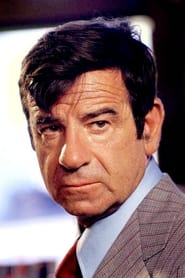
Trabucco
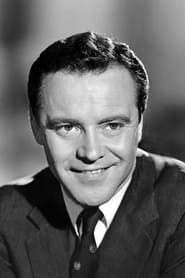
Victor Clooney

Celia Clooney
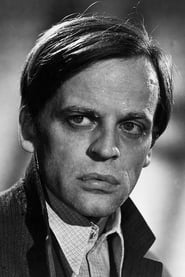
Dr. Zuckerbrot
Main Cast & Characters
Trabucco
Played by Walter Matthau
A meticulous, professional hitman attempting to execute a mob informant from his hotel room.
Victor Clooney
Played by Jack Lemmon
A suicidal, neurotic man who repeatedly interrupts Trabucco's assassination plans with his suicide attempts.
Celia Clooney
Played by Paula Prentiss
Victor's estranged wife who has left him for another man, the object of Victor's desperate affection.
Dr. Zuckerbrot
Played by Klaus Kinski
Celia's new lover, a sex therapist who has stolen Victor's wife.
Structural Analysis
The Status Quo at 1 minutes (1% through the runtime) establishes Trabucco, a meticulous professional hitman, arrives at the Riverside Hotel to set up his assassination of a key witness. He is calm, methodical, and completely in control of his craft.. Notably, this early placement immediately immerses viewers in the story world.
The inciting incident occurs at 12 minutes when Victor Clooney attempts his first suicide in the bathroom next door, creating a loud disturbance that threatens Trabucco's carefully planned assassination. The hitman's perfect setup is suddenly in jeopardy.. At 13% through the film, this Disruption is delayed, allowing extended setup of the story world. This beat shifts the emotional landscape, launching the protagonist into the central conflict.
The First Threshold at 24 minutes marks the transition into Act II, occurring at 25% of the runtime. This illustrates the protagonist's commitment to Trabucco makes the active choice to fully involve himself in Victor's problems, deciding to help him win back his wife so he can complete his assassination in peace. He crosses from solitary professional into unwilling companion., moving from reaction to action.
At 48 minutes, the Midpoint arrives at 50% of the runtime—precisely centered, creating perfect narrative symmetry. The analysis reveals that this crucial beat False victory: Victor has a breakthrough moment with his wife or at the clinic, and it seems like the problem might be resolved. Trabucco believes he can finally complete his assignment. But the stakes are raised when complications arise., fundamentally raising what's at risk. The emotional intensity shifts, dividing the narrative into clear before-and-after phases.
The Collapse moment at 72 minutes (75% through) represents the emotional nadir. Here, All is lost: Trabucco's assassination opportunity is blown, or Victor makes a final desperate suicide attempt that appears successful, or both men's goals simultaneously collapse. The professional hit is ruined and their unlikely friendship seems to have led nowhere but failure., demonstrates the protagonist at their lowest point. This beat's placement in the final quarter sets up the climactic reversal.
The Second Threshold at 77 minutes initiates the final act resolution at 80% of the runtime. Trabucco has a realization combining his professional skills with the humanity Victor has awakened in him. He synthesizes his competence with newfound emotional awareness to find a solution that addresses both his mission and his connection to Victor., demonstrating the transformation achieved throughout the journey.
Emotional Journey
Buddy Buddy's emotional architecture traces a deliberate progression across 15 carefully calibrated beats.
Narrative Framework
This structural analysis employs systematic plot point analysis that identifies crucial turning points. By mapping Buddy Buddy against these established plot points, we can identify how Billy Wilder utilizes or subverts traditional narrative conventions. The plot point approach reveals not only adherence to structural principles but also creative choices that distinguish Buddy Buddy within the comedy genre.
Billy Wilder's Structural Approach
Among the 10 Billy Wilder films analyzed on Arcplot, the average structural score is 5.6, showcasing experimental approaches to narrative form. Buddy Buddy represents one of the director's most structurally precise works. For comparative analysis, explore the complete Billy Wilder filmography.
Comparative Analysis
Additional comedy films include The Bad Guys, Ella Enchanted and The Evening Star. For more Billy Wilder analyses, see Sabrina, The Apartment and Some Like It Hot.
Plot Points by Act
Act I
SetupStatus Quo
Trabucco, a meticulous professional hitman, arrives at the Riverside Hotel to set up his assassination of a key witness. He is calm, methodical, and completely in control of his craft.
Theme
A hotel employee or bystander comments on how people don't care about each other anymore, foreshadowing the unlikely connection that will form between two desperate men.
Worldbuilding
Trabucco establishes his setup in the hotel room with a view of the courthouse. We see his professional routine and precision. Meanwhile, Victor Clooney checks into the adjacent room, clearly despondent over his wife leaving him for Dr. Zuckerbrot, a sex therapy guru.
Disruption
Victor Clooney attempts his first suicide in the bathroom next door, creating a loud disturbance that threatens Trabucco's carefully planned assassination. The hitman's perfect setup is suddenly in jeopardy.
Resistance
Trabucco debates whether to ignore Victor or intervene. He tries to distance himself but keeps getting pulled into preventing Victor's suicide attempts. He realizes he can't complete his job if police and ambulances keep showing up.
Act II
ConfrontationFirst Threshold
Trabucco makes the active choice to fully involve himself in Victor's problems, deciding to help him win back his wife so he can complete his assassination in peace. He crosses from solitary professional into unwilling companion.
Mirror World
The relationship between Trabucco and Victor deepens. Victor represents everything Trabucco is not—emotional, needy, desperate for connection—serving as a mirror to Trabucco's isolation and emotional repression.
Premise
The odd-couple dynamic plays out as Trabucco attempts to help Victor reconcile with his wife while maintaining his assassination schedule. Comic mishaps ensue as the hitman tries to balance professional murder with amateur therapy. They infiltrate Dr. Zuckerbrot's sex clinic.
Midpoint
False victory: Victor has a breakthrough moment with his wife or at the clinic, and it seems like the problem might be resolved. Trabucco believes he can finally complete his assignment. But the stakes are raised when complications arise.
Opposition
Everything gets worse. Victor's reconciliation attempts backfire. The police begin closing in on Trabucco's location. The witness is about to be moved. Dr. Zuckerbrot creates more obstacles. Trabucco's window of opportunity is closing while Victor's neediness intensifies.
Collapse
All is lost: Trabucco's assassination opportunity is blown, or Victor makes a final desperate suicide attempt that appears successful, or both men's goals simultaneously collapse. The professional hit is ruined and their unlikely friendship seems to have led nowhere but failure.
Crisis
Trabucco faces the emotional darkness of his failure—both professional and personal. He must confront whether he's actually changed through his relationship with Victor, or if his isolated hitman existence is all he has left. Victor processes his own devastation.
Act III
ResolutionSecond Threshold
Trabucco has a realization combining his professional skills with the humanity Victor has awakened in him. He synthesizes his competence with newfound emotional awareness to find a solution that addresses both his mission and his connection to Victor.
Synthesis
The finale brings both storylines to resolution. Trabucco executes a final plan that deals with his assassination contract while resolving Victor's crisis. The unlikely friendship pays off as each man helps the other achieve what they need, not just what they want.
Transformation
Final image mirrors the opening: Trabucco departs, but he is no longer the isolated, purely mechanical hitman we met. Victor is no longer suicidal. Both men have been transformed by their absurd collision, having found unexpected human connection.