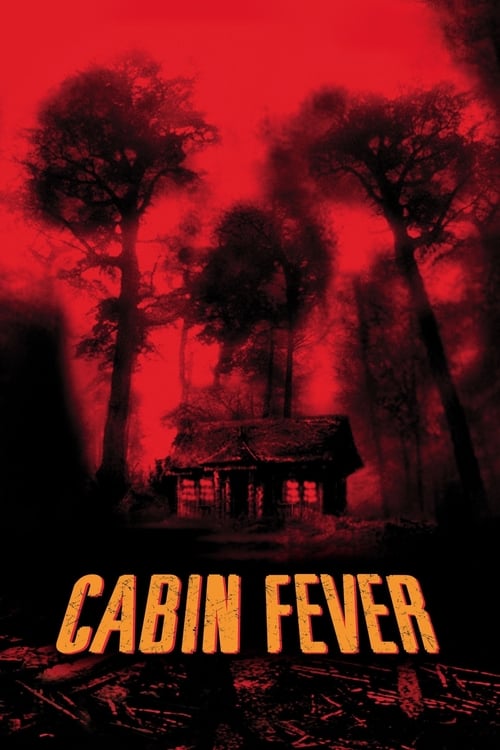
Cabin Fever
A group of five college graduates rent a cabin in the woods and begin to fall victim to a horrifying flesh-eating virus, which attracts the unwanted attention of the homicidal locals.
Despite its tight budget of $1.5M, Cabin Fever became a runaway success, earning $30.6M worldwide—a remarkable 1940% return. The film's bold vision connected with viewers, illustrating how strong storytelling can transcend budget limitations.
3 wins & 12 nominations


Plot Structure
Story beats plotted across runtime


Narrative Arc
Emotional journey through the story's key moments
Story Circle
Blueprint 15-beat structure
Arcplot Score Breakdown
Weighted: Precision (70%) + Arc (15%) + Theme (15%)
Cabin Fever (2003) exhibits deliberately positioned plot construction, characteristic of Eli Roth's storytelling approach. This structural analysis examines how the film's 15-point plot structure maps to proven narrative frameworks across 1 hour and 33 minutes. With an Arcplot score of 7.2, the film balances conventional beats with creative variation.
Characters
Cast & narrative archetypes

Paul
Karen
Jeff
Marcy
Bert
Deputy Winston
Main Cast & Characters
Paul
Played by Rider Strong
Pre-med student and de facto leader of the group who tries to maintain order as the flesh-eating virus spreads.
Karen
Played by Jordan Ladd
Paul's girlfriend who becomes the first of the group to show symptoms of the deadly infection.
Jeff
Played by Joey Kern
Aggressive and impulsive member of the group whose paranoia intensifies as the situation deteriorates.
Marcy
Played by Cerina Vincent
Jeff's girlfriend who struggles between loyalty to her friends and self-preservation instincts.
Bert
Played by James DeBello
Anxious and socially awkward member of the group who inadvertently triggers the initial infection.
Deputy Winston
Played by Giuseppe Andrews
Eccentric and unpredictable local law enforcement officer with suspicious knowledge of the outbreak.
Structural Analysis
The Status Quo at 1 minutes (1% through the runtime) establishes Five college friends arrive excited for a carefree vacation at a remote cabin in the woods, representing their ordinary world of youth, friendship, and anticipated fun before the horror begins.. Structural examination shows that this early placement immediately immerses viewers in the story world.
The inciting incident occurs at 11 minutes when Bert encounters and shoots a hermit while hunting, unknowingly exposing himself to the flesh-eating virus. The infected hermit stumbles toward the cabin, bringing the disease into their world.. At 12% through the film, this Disruption aligns precisely with traditional story structure. This beat shifts the emotional landscape, launching the protagonist into the central conflict.
The First Threshold at 22 minutes marks the transition into Act II, occurring at 24% of the runtime. This illustrates the protagonist's commitment to After killing the hermit and burning the body, the group makes the active choice to cover up what happened and stay at the cabin rather than leave or seek help, sealing their fate in this infected environment., moving from reaction to action.
At 47 minutes, the Midpoint arrives at 50% of the runtime—precisely centered, creating perfect narrative symmetry. Significantly, this crucial beat Karen becomes horrifically symptomatic and the group quarantines her in the shed, marking the false defeat where they believe they can contain the disease. The stakes raise as they realize no one is coming to help., fundamentally raising what's at risk. The emotional intensity shifts, dividing the narrative into clear before-and-after phases.
The Collapse moment at 67 minutes (72% through) represents the emotional nadir. Here, Marcy dies horrifically in the bathtub as her infected body deteriorates. Jeff discovers her corpse being eaten by a dog. This literal death represents the death of hope that anyone will survive with their humanity intact., demonstrates the protagonist at their lowest point. This beat's placement in the final quarter sets up the climactic reversal.
The Second Threshold at 73 minutes initiates the final act resolution at 78% of the runtime. Paul realizes the only option is pure survival—get out at any cost. He abandons trying to save everyone and focuses solely on escaping, accepting the transformation from hopeful boyfriend to desperate survivor., demonstrating the transformation achieved throughout the journey.
Emotional Journey
Cabin Fever's emotional architecture traces a deliberate progression across 15 carefully calibrated beats.
Narrative Framework
This structural analysis employs proven narrative structure principles that track dramatic progression. By mapping Cabin Fever against these established plot points, we can identify how Eli Roth utilizes or subverts traditional narrative conventions. The plot point approach reveals not only adherence to structural principles but also creative choices that distinguish Cabin Fever within the horror genre.
Eli Roth's Structural Approach
Among the 9 Eli Roth films analyzed on Arcplot, the average structural score is 7.0, demonstrating varied approaches to story architecture. Cabin Fever represents one of the director's most structurally precise works. For comparative analysis, explore the complete Eli Roth filmography.
Comparative Analysis
Additional horror films include Thinner, A Nightmare on Elm Street and Mary Reilly. For more Eli Roth analyses, see The House with a Clock in Its Walls, Death Wish and Thanksgiving.
Plot Points by Act
Act I
SetupStatus Quo
Five college friends arrive excited for a carefree vacation at a remote cabin in the woods, representing their ordinary world of youth, friendship, and anticipated fun before the horror begins.
Theme
The old man at the general store warns them about the woods and what lies out there, thematically introducing the idea that nature is dangerous and the fragility of civilization when isolated.
Worldbuilding
The group settles into the cabin, establishing character dynamics: Paul and Karen's relationship, Jeff and Marcy's sexual chemistry, Bert's irresponsibility. They drink, plan their weekend, and explore the isolated surroundings.
Disruption
Bert encounters and shoots a hermit while hunting, unknowingly exposing himself to the flesh-eating virus. The infected hermit stumbles toward the cabin, bringing the disease into their world.
Resistance
The sick hermit appears at the cabin begging for help. The group debates what to do—help him or protect themselves. They reluctantly try to assist but panic when he bleeds on their truck, ultimately setting him on fire.
Act II
ConfrontationFirst Threshold
After killing the hermit and burning the body, the group makes the active choice to cover up what happened and stay at the cabin rather than leave or seek help, sealing their fate in this infected environment.
Mirror World
Karen shows the first symptoms of infection, establishing the disease itself as the thematic mirror—it exposes how the group's bonds and civility deteriorate when survival is threatened.
Premise
The promise of the premise: watching the virus spread and the group's horror-filled attempts to avoid contamination. Paranoia grows as they realize the water is infected. Karen's condition worsens graphically while others desperately try to stay clean.
Midpoint
Karen becomes horrifically symptomatic and the group quarantines her in the shed, marking the false defeat where they believe they can contain the disease. The stakes raise as they realize no one is coming to help.
Opposition
The infection spreads further; Marcy shows symptoms. Paul tries to get help in town but is met with hostility and violence from locals who want to contain the outbreak. Trust among friends collapses as survival instinct overtakes loyalty.
Collapse
Marcy dies horrifically in the bathtub as her infected body deteriorates. Jeff discovers her corpse being eaten by a dog. This literal death represents the death of hope that anyone will survive with their humanity intact.
Crisis
The survivors are in complete emotional darkness. Jeff and Bert turn on each other violently. Paul must process that Karen is likely dead or dying, and his attempts to save everyone have failed catastrophically.
Act III
ResolutionSecond Threshold
Paul realizes the only option is pure survival—get out at any cost. He abandons trying to save everyone and focuses solely on escaping, accepting the transformation from hopeful boyfriend to desperate survivor.
Synthesis
The finale: Paul attempts escape but is captured by locals who want to burn infected victims. Deputy Winston shoots the infected. Jeff is killed. The virus spreads to town through the water supply, completing the outbreak.
Transformation
Paul sits in quarantine, infected and alone. The closing image shows the contaminated water being bottled for distribution, ensuring the plague spreads. The transformation is nihilistic: from innocent youth to doomed victim, civilization to chaos.