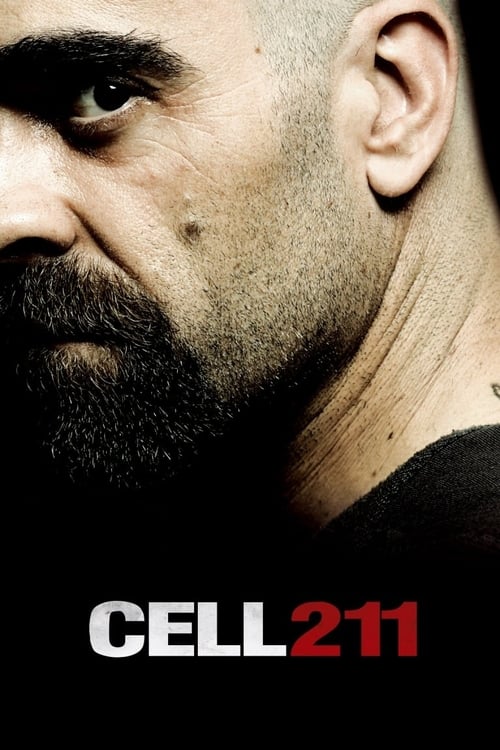
Cell 211
The story of two men on different sides of a prison riot -- the inmate leading the rebellion and the young guard trapped in the revolt, who poses as a prisoner in a desperate attempt to survive the ordeal.
Despite its small-scale budget of $5.7M, Cell 211 became a box office success, earning $19.3M worldwide—a 239% return. The film's distinctive approach resonated with audiences, demonstrating that strong storytelling can transcend budget limitations.


Plot Structure
Story beats plotted across runtime


Narrative Arc
Emotional journey through the story's key moments
Story Circle
Blueprint 15-beat structure
Arcplot Score Breakdown
Weighted: Precision (70%) + Arc (15%) + Theme (15%)
Cell 211 (2009) demonstrates precise narrative design, characteristic of Daniel Monzón's storytelling approach. This structural analysis examines how the film's 15-point plot structure maps to proven narrative frameworks across 1 hour and 48 minutes. With an Arcplot score of 7.3, the film balances conventional beats with creative variation.
Characters
Cast & narrative archetypes

Juan Oliver
Malamadre
Elena
Utrilla
Almansa
Lagos
El Negro
Main Cast & Characters
Juan Oliver
Played by Alberto Ammann
A rookie prison guard who becomes trapped during a violent prison riot and must pose as an inmate to survive.
Malamadre
Played by Luis Tosar
The charismatic and volatile leader of the prison riot who forms an unlikely bond with Juan.
Elena
Played by Marta Etura
Juan's pregnant wife who anxiously waits outside the prison during the crisis.
Utrilla
Played by Carlos Bardem
The prison director who attempts to negotiate with the rioting inmates.
Almansa
Played by Antonio Resines
A hardened inmate and key figure in the riot who serves as Malamadre's right hand.
Lagos
Played by Manuel Morón
A high-ranking prison official who coordinates the crisis response from outside.
El Negro
Played by Luis Zahera
A dangerous inmate who becomes suspicious of Juan's true identity.
Structural Analysis
The Status Quo at 2 minutes (2% through the runtime) establishes Juan Oliver is shown as an expectant father with his pregnant wife Elena, preparing for his new job as a prison guard. He represents order, hope, and a bright future.. Structural examination shows that this early placement immediately immerses viewers in the story world.
The inciting incident occurs at 12 minutes when Juan is accidentally knocked unconscious by falling debris during the prison tour. When he wakes, a massive prison riot has erupted around him. His colleagues have evacuated, leaving him trapped inside.. At 12% through the film, this Disruption aligns precisely with traditional story structure. This beat shifts the emotional landscape, launching the protagonist into the central conflict.
The First Threshold at 26 minutes marks the transition into Act II, occurring at 24% of the runtime. This reveals the protagonist's commitment to Juan makes the active choice to fully commit to his deception. He approaches the riot leader Malamadre and claims to be a prisoner from a different block, offering to help with negotiations. This is his point of no return., moving from reaction to action.
At 54 minutes, the Midpoint arrives at 50% of the runtime—precisely centered, creating perfect narrative symmetry. Of particular interest, this crucial beat False victory turns to false defeat: Juan successfully negotiates a deal that seems to defuse tensions, but then learns that his pregnant wife Elena has been in a car accident and is in critical condition. He cannot leave to be with her without exposing his identity and certain death., fundamentally raising what's at risk. The emotional intensity shifts, dividing the narrative into clear before-and-after phases.
The Collapse moment at 79 minutes (73% through) represents the emotional nadir. Here, Juan receives news that Elena has died in the hospital, along with their unborn child. Everything he was living for is gone. His entire reason for surviving the riot has been extinguished. This is his absolute lowest point - literal death of his family., reveals the protagonist at their lowest point. This beat's placement in the final quarter sets up the climactic reversal.
The Second Threshold at 86 minutes initiates the final act resolution at 80% of the runtime. Juan makes a dark synthesis: he fully embraces his inmate identity and commits to seeing the riot through. Having lost everything, he finds clarity in abandoning his old self. He will use what he's learned from both worlds - but has fundamentally transformed into something darker., demonstrating the transformation achieved throughout the journey.
Emotional Journey
Cell 211's emotional architecture traces a deliberate progression across 15 carefully calibrated beats.
Narrative Framework
This structural analysis employs systematic plot point analysis that identifies crucial turning points. By mapping Cell 211 against these established plot points, we can identify how Daniel Monzón utilizes or subverts traditional narrative conventions. The plot point approach reveals not only adherence to structural principles but also creative choices that distinguish Cell 211 within the action genre.
Comparative Analysis
Additional action films include The Bad Guys, Puss in Boots and Venom: The Last Dance.
Plot Points by Act
Act I
SetupStatus Quo
Juan Oliver is shown as an expectant father with his pregnant wife Elena, preparing for his new job as a prison guard. He represents order, hope, and a bright future.
Theme
During the prison tour, a veteran guard warns Juan: "In here, you're either on one side or the other. There's no middle ground." This establishes the film's central question about identity, loyalty, and moral compromise.
Worldbuilding
Juan tours the prison facility the day before his official start date. We meet the harsh prison environment, see the tension between guards and inmates, and establish Juan's naivety about the brutal world he's entering.
Disruption
Juan is accidentally knocked unconscious by falling debris during the prison tour. When he wakes, a massive prison riot has erupted around him. His colleagues have evacuated, leaving him trapped inside.
Resistance
Juan hides and debates what to do. He strips off his guard uniform and tries to blend in. He witnesses extreme violence and must decide whether to reveal his identity or pretend to be a prisoner to survive.
Act II
ConfrontationFirst Threshold
Juan makes the active choice to fully commit to his deception. He approaches the riot leader Malamadre and claims to be a prisoner from a different block, offering to help with negotiations. This is his point of no return.
Mirror World
Juan forms a complex relationship with Malamadre, the charismatic and violent riot leader. Malamadre becomes Juan's dark mirror - showing what happens when you fully embrace the prison world's ruthless logic.
Premise
Juan navigates the dangerous prison world, gaining Malamadre's trust while secretly trying to manage the crisis. He participates in negotiations, witnesses brutal violence, and becomes increasingly entangled in the inmates' cause. The line between performance and reality blurs.
Midpoint
False victory turns to false defeat: Juan successfully negotiates a deal that seems to defuse tensions, but then learns that his pregnant wife Elena has been in a car accident and is in critical condition. He cannot leave to be with her without exposing his identity and certain death.
Opposition
The riot intensifies. Juan's dual identity becomes harder to maintain as prison authorities plan a violent assault. His desperation grows as he learns Elena may not survive. Malamadre becomes increasingly paranoid about informants. Juan must commit deeper atrocities to maintain his cover.
Collapse
Juan receives news that Elena has died in the hospital, along with their unborn child. Everything he was living for is gone. His entire reason for surviving the riot has been extinguished. This is his absolute lowest point - literal death of his family.
Crisis
Juan processes his devastating loss while trapped in hell. With nothing left to live for, he questions whether to reveal himself and end it all. He has lost his identity as a husband, father-to-be, and even as a guard. He is now truly a prisoner in every sense.
Act III
ResolutionSecond Threshold
Juan makes a dark synthesis: he fully embraces his inmate identity and commits to seeing the riot through. Having lost everything, he finds clarity in abandoning his old self. He will use what he's learned from both worlds - but has fundamentally transformed into something darker.
Synthesis
The violent finale unfolds as riot police storm the prison. Juan fights alongside the inmates against his former colleagues. His complete transformation is realized through action. The final confrontation forces him to choose once and for all which side he's on.
Transformation
Juan is arrested by police who don't recognize him as a guard. He doesn't correct them. In his prison transfer, he sits silently among actual inmates, indistinguishable from them. The man who started as a hopeful father-to-be has been completely consumed by the prison world. A tragic negative arc complete.