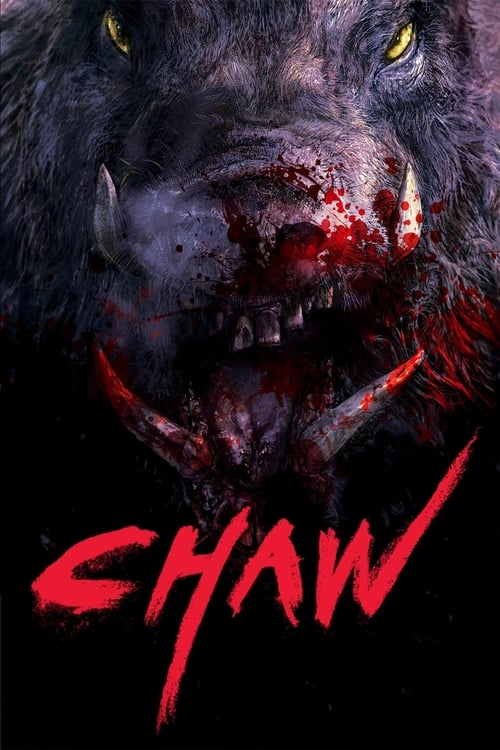
Chaw
A black comedy about the events that are set into motion in a town after a man-eating boar goes on a rampage.
The film earned $10.7M at the global box office.


Plot Structure
Story beats plotted across runtime


Narrative Arc
Emotional journey through the story's key moments
Story Circle
Blueprint 15-beat structure
Arcplot Score Breakdown
Weighted: Precision (70%) + Arc (15%) + Theme (15%)
Chaw (2009) exemplifies deliberately positioned narrative architecture, characteristic of Shin Jung-won's storytelling approach. This structural analysis examines how the film's 15-point plot structure maps to proven narrative frameworks across 2 hours and 1 minutes. With an Arcplot score of 7.1, the film balances conventional beats with creative variation.
Characters
Cast & narrative archetypes

Kim Kang-soo
Chun Il-man
Baek Man-bae
Soo-ryun
Main Cast & Characters
Kim Kang-soo
Played by Uhm Tae-woong
A disgraced Seoul detective demoted to a rural village who leads the hunt for the killer boar
Chun Il-man
Played by Jung Yoo-mi
An eccentric, obsessive professional boar hunter with extensive tracking experience
Baek Man-bae
Played by Jang Hang-sun
The elderly village foreman and local leader trying to protect his community
Soo-ryun
Played by Yoon Je-moon
A young woman from the village who assists in the investigation
Structural Analysis
The Status Quo at 1 minutes (1% through the runtime) establishes Detective Kim Kang-su arrives in the peaceful rural village of Sameri with his pregnant wife and mother, seeking a quiet life away from Seoul's chaos. The idyllic countryside setting establishes normalcy before the horror.. Of particular interest, this early placement immediately immerses viewers in the story world.
The inciting incident occurs at 15 minutes when A mutilated human body is discovered in the mountains - the first confirmed human victim of the giant boar. The gruesome discovery shatters the village's peaceful facade and forces Kang-su into action.. At 12% through the film, this Disruption aligns precisely with traditional story structure. This beat shifts the emotional landscape, launching the protagonist into the central conflict.
The First Threshold at 30 minutes marks the transition into Act II, occurring at 25% of the runtime. This illustrates the protagonist's commitment to After another brutal attack claims more victims, Kang-su defies the corrupt mayor's cover-up orders and commits to organizing an official hunt for the creature. He chooses to fight rather than remain passive., moving from reaction to action.
At 61 minutes, the Midpoint arrives at 50% of the runtime—precisely centered, creating perfect narrative symmetry. Significantly, this crucial beat The first organized hunt ends in catastrophic failure when the boar ambushes the hunting party, killing several members in a brutal attack. What seemed like a manageable problem is revealed to be a genuine monster. False defeat turns the hunt personal., fundamentally raising what's at risk. The emotional intensity shifts, dividing the narrative into clear before-and-after phases.
The Collapse moment at 91 minutes (75% through) represents the emotional nadir. Here, The boar attacks during a village festival, causing mass casualties and chaos. Hunter Chun Il-man is gravely wounded protecting others. Kang-su's pregnant wife is trapped and in danger. Everything Kang-su tried to prevent has happened., demonstrates the protagonist at their lowest point. This beat's placement in the final quarter sets up the climactic reversal.
The Second Threshold at 97 minutes initiates the final act resolution at 80% of the runtime. Armed with Il-man's knowledge and embracing both his detective instincts and the hunter's wisdom, Kang-su devises a final plan to confront the boar in its own territory. He transforms from passive city cop to determined hunter., demonstrating the transformation achieved throughout the journey.
Emotional Journey
Chaw's emotional architecture traces a deliberate progression across 15 carefully calibrated beats.
Narrative Framework
This structural analysis employs structural analysis methodology used to understand storytelling architecture. By mapping Chaw against these established plot points, we can identify how Shin Jung-won utilizes or subverts traditional narrative conventions. The plot point approach reveals not only adherence to structural principles but also creative choices that distinguish Chaw within the horror genre.
Comparative Analysis
Additional horror films include Thinner, A Nightmare on Elm Street and Mary Reilly.
Plot Points by Act
Act I
SetupStatus Quo
Detective Kim Kang-su arrives in the peaceful rural village of Sameri with his pregnant wife and mother, seeking a quiet life away from Seoul's chaos. The idyllic countryside setting establishes normalcy before the horror.
Theme
An elderly villager remarks that the mountains have been disturbed by development and "nature always takes back what belongs to it." This foreshadows the ecological revenge theme central to the film.
Worldbuilding
The rural village of Sameri is established as a close-knit community with quirky locals, corrupt officials seeking tourism revenue, and tensions between tradition and modernization. Kang-su meets the bumbling local police and learns about recent livestock disappearances.
Disruption
A mutilated human body is discovered in the mountains - the first confirmed human victim of the giant boar. The gruesome discovery shatters the village's peaceful facade and forces Kang-su into action.
Resistance
Kang-su investigates the death while authorities debate whether to publicize the danger or protect the village's tourism reputation. He meets the eccentric hunter Chun Il-man who warns about the boar's intelligence and danger, but officials dismiss his expertise.
Act II
ConfrontationFirst Threshold
After another brutal attack claims more victims, Kang-su defies the corrupt mayor's cover-up orders and commits to organizing an official hunt for the creature. He chooses to fight rather than remain passive.
Mirror World
Kang-su forms an unlikely alliance with hunter Chun Il-man, whose obsessive knowledge of the boar and unconventional methods mirror the detective's need to think beyond standard protocol. Their partnership represents instinct versus procedure.
Premise
The hunt begins as a ragtag team including hunters, soldiers, and villagers pursue the giant boar through the mountains. Comic relief mixes with genuine terror as they discover the creature's cunning intelligence and the scope of their underestimation.
Midpoint
The first organized hunt ends in catastrophic failure when the boar ambushes the hunting party, killing several members in a brutal attack. What seemed like a manageable problem is revealed to be a genuine monster. False defeat turns the hunt personal.
Opposition
The boar grows bolder, attacking closer to the village. Political pressure mounts as the mayor continues prioritizing tourism over safety. The hunting team fractures under fear and blame while Kang-su's family becomes increasingly endangered.
Collapse
The boar attacks during a village festival, causing mass casualties and chaos. Hunter Chun Il-man is gravely wounded protecting others. Kang-su's pregnant wife is trapped and in danger. Everything Kang-su tried to prevent has happened.
Crisis
In the aftermath of the festival massacre, Kang-su faces his failure as a protector. The wounded Il-man shares crucial knowledge about the boar's lair and weakness, passing the torch to Kang-su who must now lead alone.
Act III
ResolutionSecond Threshold
Armed with Il-man's knowledge and embracing both his detective instincts and the hunter's wisdom, Kang-su devises a final plan to confront the boar in its own territory. He transforms from passive city cop to determined hunter.
Synthesis
Kang-su leads survivors into the mountains for a final confrontation. Using a combination of modern tactics and traditional hunting knowledge, they track the boar to its lair. The climactic battle pits human determination against nature's fury.
Transformation
Kang-su defeats the giant boar and returns to his family. The village begins to rebuild. The final image shows Kang-su, no longer the passive city detective but a man who found courage and purpose in protecting his community.