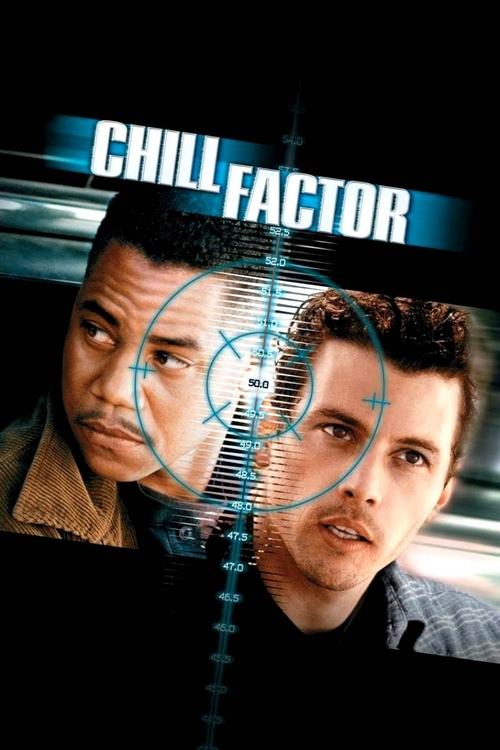
Chill Factor
A store clerk and an ice cream truck driver are thrown together when a dying scientist entrusts them with a deadly chemical kept in ice. This chemical will kill every living thing once it melts. They have to take the chemical codenamed 'Elvis' to the next nearest military base while being chased by terrorists who want it to hold the country for ransom.
The film financial setback against its moderate budget of $34.0M, earning $11.3M globally (-67% loss). While initial box office returns were modest, the film has gained appreciation for its compelling narrative within the action genre.


Plot Structure
Story beats plotted across runtime


Narrative Arc
Emotional journey through the story's key moments
Story Circle
Blueprint 15-beat structure
Arcplot Score Breakdown
Weighted: Precision (70%) + Arc (15%) + Theme (15%)
Chill Factor (1999) exemplifies precise dramatic framework, characteristic of Hugh Johnson's storytelling approach. This structural analysis examines how the film's 15-point plot structure maps to proven narrative frameworks across 1 hour and 41 minutes. With an Arcplot score of 7.0, the film balances conventional beats with creative variation.
Characters
Cast & narrative archetypes

Arlo
Tim Mason
Captain Andrew Brynner
Dr. Richard Long
Main Cast & Characters
Arlo
Played by Cuba Gooding Jr.
Diner worker who gets pulled into a dangerous mission to transport a volatile chemical weapon. Cautious and responsible, he provides planning and restraint.
Tim Mason
Played by Skeet Ulrich
Reckless ice cream truck driver thrust into transporting a chemical weapon. Impulsive and aimless, he learns responsibility through the ordeal.
Captain Andrew Brynner
Played by Peter Firth
Dishonorably discharged military officer seeking revenge by stealing the chemical weapon Elvis. Ruthless, methodical, and military-trained antagonist.
Dr. Richard Long
Played by David Paymer
Scientist who created the weapon Elvis. Dies early after entrusting the weapon to Tim to prevent it from falling into wrong hands.
Structural Analysis
The Status Quo at 1 minutes (1% through the runtime) establishes Military weapons test in Montana goes catastrophically wrong, killing 18 soldiers. Establishes the deadly nature of the Elvis weapon and the moral failure of those involved.. The analysis reveals that this early placement immediately immerses viewers in the story world.
The inciting incident occurs at 13 minutes when Brynner and his team attack Dr. Long's remote cabin, killing him. With his dying breath, Long entrusts Tim with the Elvis weapon, which must be kept below 50 degrees or it will detonate.. At 13% through the film, this Disruption is delayed, allowing extended setup of the story world. This beat shifts the emotional landscape, launching the protagonist into the central conflict.
The First Threshold at 26 minutes marks the transition into Act II, occurring at 25% of the runtime. This shows the protagonist's commitment to Tim and Arlo make the active choice to drive the weapon to Fort Magruder themselves, entering a deadly chase across state lines with Brynner in pursuit and the clock ticking on the temperature., moving from reaction to action.
At 51 minutes, the Midpoint arrives at 51% of the runtime—precisely centered, creating perfect narrative symmetry. The analysis reveals that this crucial beat False defeat: Brynner catches up to them, the ice cream truck is damaged, and they lose their primary means of keeping the weapon cold. The stakes are raised as they realize they're running out of time and options., fundamentally raising what's at risk. The emotional intensity shifts, dividing the narrative into clear before-and-after phases.
The Collapse moment at 77 minutes (76% through) represents the emotional nadir. Here, All seems lost: they're cornered, the weapon's temperature is critical, and Arlo is captured by Brynner. Tim faces his darkest moment, seemingly unable to prevent catastrophe., reveals the protagonist at their lowest point. This beat's placement in the final quarter sets up the climactic reversal.
The Second Threshold at 81 minutes initiates the final act resolution at 80% of the runtime. Tim synthesizes his military training with the resourcefulness he's learned from Arlo. He formulates a final plan to stop Brynner and save both his partner and prevent the weapon from detonating., demonstrating the transformation achieved throughout the journey.
Emotional Journey
Chill Factor's emotional architecture traces a deliberate progression across 15 carefully calibrated beats.
Narrative Framework
This structural analysis employs a 15-point narrative structure framework that maps key story moments. By mapping Chill Factor against these established plot points, we can identify how Hugh Johnson utilizes or subverts traditional narrative conventions. The plot point approach reveals not only adherence to structural principles but also creative choices that distinguish Chill Factor within the action genre.
Comparative Analysis
Additional action films include The Bad Guys, Puss in Boots and Venom: The Last Dance.
Plot Points by Act
Act I
SetupStatus Quo
Military weapons test in Montana goes catastrophically wrong, killing 18 soldiers. Establishes the deadly nature of the Elvis weapon and the moral failure of those involved.
Theme
Scientist Dr. Long warns about responsibility and the danger of weapons falling into the wrong hands, establishing the theme of ordinary people forced into extraordinary situations.
Worldbuilding
Introduction to Tim Mason as an ice cream truck driver with a past, Andrew Brynner released from military prison seeking revenge, and Dr. Long living in hiding with the deadly Elvis weapon.
Disruption
Brynner and his team attack Dr. Long's remote cabin, killing him. With his dying breath, Long entrusts Tim with the Elvis weapon, which must be kept below 50 degrees or it will detonate.
Resistance
Tim reluctantly teams up with Arlo, a diner short-order cook, as they debate what to do with the weapon. They realize they must transport it in the ice cream truck to keep it cold while being pursued by Brynner.
Act II
ConfrontationFirst Threshold
Tim and Arlo make the active choice to drive the weapon to Fort Magruder themselves, entering a deadly chase across state lines with Brynner in pursuit and the clock ticking on the temperature.
Mirror World
The unlikely partnership between Tim (ex-military with a past) and Arlo (civilian dreamer) represents the theme of ordinary people rising to heroism despite their differences.
Premise
The "promise of the premise" - a wild chase in an ice cream truck carrying a deadly weapon that must stay cold. Creative problem-solving, near misses, and escalating stakes as they race against time and temperature.
Midpoint
False defeat: Brynner catches up to them, the ice cream truck is damaged, and they lose their primary means of keeping the weapon cold. The stakes are raised as they realize they're running out of time and options.
Opposition
Brynner closes in with superior firepower and resources. Tim and Arlo's makeshift solutions become more desperate. Internal conflicts surface as stress mounts and trust is tested.
Collapse
All seems lost: they're cornered, the weapon's temperature is critical, and Arlo is captured by Brynner. Tim faces his darkest moment, seemingly unable to prevent catastrophe.
Crisis
Tim processes the loss and contemplates giving up, but remembers Dr. Long's sacrifice and what's at stake. The emotional low point before finding new resolve.
Act III
ResolutionSecond Threshold
Tim synthesizes his military training with the resourcefulness he's learned from Arlo. He formulates a final plan to stop Brynner and save both his partner and prevent the weapon from detonating.
Synthesis
The finale: Tim confronts Brynner in a climactic showdown, rescues Arlo, and neutralizes the weapon threat. They work together using both brains and courage to save the day.
Transformation
Tim and Arlo emerge as unlikely heroes, their partnership forged in crisis. Tim has reclaimed his sense of purpose, and Arlo has proven himself brave. They've transformed from ordinary citizens to men who saved thousands of lives.