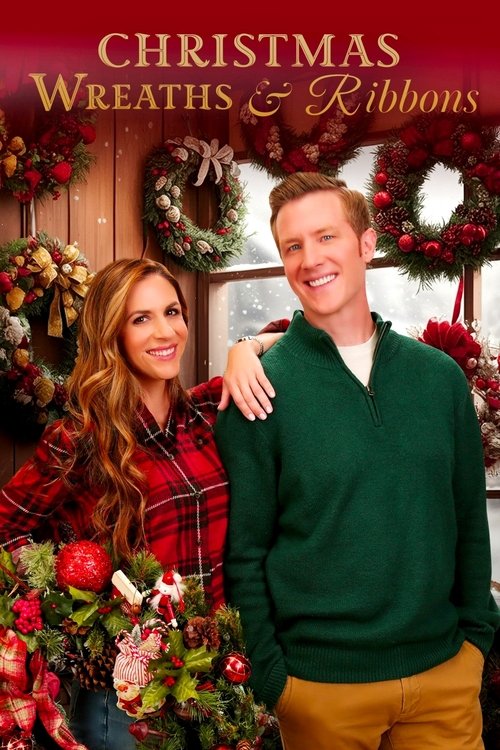
Christmas Wreaths and Ribbons
After a wreath maker hurts her arm, she gets help from a kind neighbor to keep her wreath-making business running during the busy holiday season. As they work together, the pair form an unexpected bond and holiday connection.


Plot Structure
Story beats plotted across runtime


Narrative Arc
Emotional journey through the story's key moments
Story Circle
Blueprint 15-beat structure
Characters
Cast & narrative archetypes

Lila Morgan
Ben Coleman
Margaret Morgan
Sophie Chen
Thomas Coleman
Main Cast & Characters
Lila Morgan
Played by Kristin Booth
A talented wreath designer returning to her hometown to save her family's Christmas shop.
Ben Coleman
Played by Peyton Meyer
A charming architect hired to revitalize the town square who becomes drawn to Lila.
Margaret Morgan
Played by Wendie Malick
Lila's warm-hearted mother who runs the family Christmas shop with devotion.
Sophie Chen
Played by Kimmy Shields
Lila's best friend and confidante who encourages her to take risks.
Thomas Coleman
Played by Bruce Boxleitner
Ben's father, a wealthy developer with plans that initially conflict with the town's interests.
Structural Analysis
The Status Quo at 1 minutes (1% through the runtime) establishes The protagonist is shown in her busy city life or established routine, successful but disconnected from Christmas spirit and meaningful relationships, setting up her ordinary world before disruption.. Notably, this early placement immediately immerses viewers in the story world.
The inciting incident occurs at 10 minutes when An unexpected event forces the protagonist into a new situation, perhaps inheriting a wreath shop, being assigned to evaluate a small-town business, or needing to return home for the holidays, disrupting her carefully planned life.. At 12% through the film, this Disruption aligns precisely with traditional story structure. This beat shifts the emotional landscape, launching the protagonist into the central conflict.
The First Threshold at 21 minutes marks the transition into Act II, occurring at 25% of the runtime. This reveals the protagonist's commitment to The protagonist makes an active choice to commit to the challenge, whether agreeing to help save the wreath business, staying through Christmas, or taking on a project that requires her to engage with the small-town community., moving from reaction to action.
At 42 minutes, the Midpoint arrives at 50% of the runtime—precisely centered, creating perfect narrative symmetry. Significantly, this crucial beat A false victory occurs as the protagonist achieves initial success, perhaps winning a wreath competition, securing a business deal, or sharing a romantic moment with the love interest that suggests everything is coming together., fundamentally raising what's at risk. The emotional intensity shifts, dividing the narrative into clear before-and-after phases.
The Collapse moment at 62 minutes (75% through) represents the emotional nadir. Here, The all is lost moment arrives when the protagonist's deception is revealed or she makes a choice that betrays the community's trust. The romance appears destroyed, and her connection to the town and its traditions seems irreparably broken., illustrates the protagonist at their lowest point. This beat's placement in the final quarter sets up the climactic reversal.
The Second Threshold at 66 minutes initiates the final act resolution at 80% of the runtime. The protagonist has a breakthrough realization, often sparked by finding a meaningful wreath or ribbon, reading an old letter, or receiving advice from a wise character. She now knows what she must do to make things right., demonstrating the transformation achieved throughout the journey.
Emotional Journey
Christmas Wreaths and Ribbons's emotional architecture traces a deliberate progression across 15 carefully calibrated beats.
Narrative Framework
This structural analysis employs structural analysis methodology used to understand storytelling architecture. By mapping Christmas Wreaths and Ribbons against these established plot points, we can identify how Brittany Wiscombe utilizes or subverts traditional narrative conventions. The plot point approach reveals not only adherence to structural principles but also creative choices that distinguish Christmas Wreaths and Ribbons within the comedy genre.
Comparative Analysis
Additional comedy films include The Bad Guys, Ella Enchanted and The Evening Star.
Plot Points by Act
Act I
SetupStatus Quo
The protagonist is shown in her busy city life or established routine, successful but disconnected from Christmas spirit and meaningful relationships, setting up her ordinary world before disruption.
Theme
A supporting character states the theme about the importance of handcrafted traditions and genuine connection over commercial success, foreshadowing the protagonist's journey of discovering what truly matters.
Worldbuilding
The world is established showing the protagonist's current life, her relationship to Christmas wreaths and crafting, her family dynamics, and the stakes of her situation whether career pressures or personal obligations.
Disruption
An unexpected event forces the protagonist into a new situation, perhaps inheriting a wreath shop, being assigned to evaluate a small-town business, or needing to return home for the holidays, disrupting her carefully planned life.
Resistance
The protagonist resists the change and debates her options. She encounters the love interest with whom she initially clashes. A mentor figure may appear offering wisdom about the craft or the town's traditions.
Act II
ConfrontationFirst Threshold
The protagonist makes an active choice to commit to the challenge, whether agreeing to help save the wreath business, staying through Christmas, or taking on a project that requires her to engage with the small-town community.
Mirror World
The romance subplot deepens as the protagonist and love interest share a meaningful moment, perhaps crafting wreaths together or attending a town event, revealing their growing connection and the thematic importance of community.
Premise
The fun and games section where the protagonist learns wreath-making traditions, participates in Christmas festivities, bonds with townspeople, and develops her relationship with the love interest through charming seasonal activities.
Midpoint
A false victory occurs as the protagonist achieves initial success, perhaps winning a wreath competition, securing a business deal, or sharing a romantic moment with the love interest that suggests everything is coming together.
Opposition
Complications arise as external pressures mount. Perhaps a corporate buyer threatens the shop, a rival appears, or the protagonist's old life demands her return. Her relationship with the love interest becomes strained by secrets or misunderstandings.
Collapse
The all is lost moment arrives when the protagonist's deception is revealed or she makes a choice that betrays the community's trust. The romance appears destroyed, and her connection to the town and its traditions seems irreparably broken.
Crisis
The dark night of the soul where the protagonist processes what she's lost. She reflects on her journey and realizes that the town, the love interest, and the craft of making wreaths have given her life meaning she didn't know she needed.
Act III
ResolutionSecond Threshold
The protagonist has a breakthrough realization, often sparked by finding a meaningful wreath or ribbon, reading an old letter, or receiving advice from a wise character. She now knows what she must do to make things right.
Synthesis
The finale unfolds as the protagonist takes action to save the day, perhaps organizing the community for a Christmas event, making a grand romantic gesture, or sacrificing her city opportunity to embrace her new life and love.
Transformation
The final image shows the protagonist transformed, surrounded by wreaths and ribbons in her new life, united with her love interest, embraced by the community, having found the authentic connection and Christmas spirit she was missing.