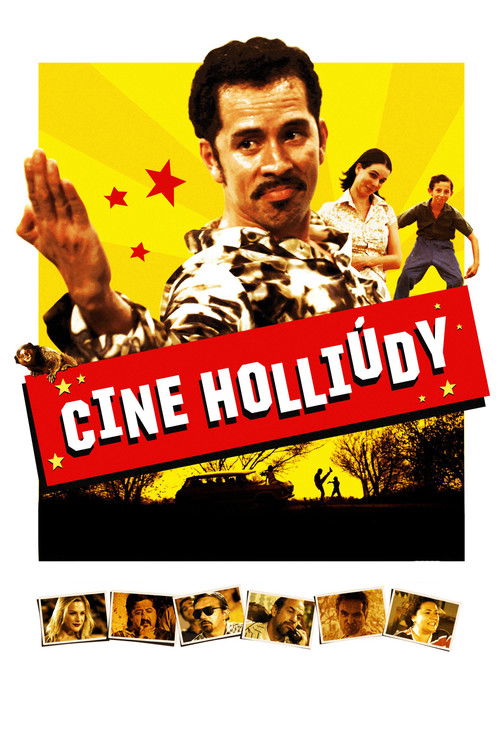
Cine Holliúdy
During the seventies, the massive arrival of television in the Brazilian countryside puts in jeopardy the business of running small movie theaters. Francisgleydisson is the owner of Cine Holliudy, and he must be extremely creative to keep his passion for cinema alive.
The film earned $4.9M at the global box office.
Plot Structure
Story beats plotted across runtime


Narrative Arc
Emotional journey through the story's key moments
Story Circle
Blueprint 15-beat structure
Arcplot Score Breakdown
Weighted: Precision (70%) + Arc (15%) + Theme (15%)
Cine Holliúdy (2013) reveals strategically placed plot construction, characteristic of Halder Gomes's storytelling approach. This structural analysis examines how the film's 15-point plot structure maps to proven narrative frameworks across 1 hour and 31 minutes. With an Arcplot score of 7.1, the film balances conventional beats with creative variation.
Structural Analysis
The Status Quo at 1 minutes (1% through the runtime) establishes Pepe works as a projectionist, showing films in makeshift outdoor settings in the interior of Ceará during the 1970s, dreaming of something bigger.. Notably, this early placement immediately immerses viewers in the story world.
The inciting incident occurs at 12 minutes when Pepe conceives the idea of opening a proper movie theater in town, inspired by an event or conversation that shows him the community's need and his potential to fulfill it.. At 13% through the film, this Disruption is delayed, allowing extended setup of the story world. This beat shifts the emotional landscape, launching the protagonist into the central conflict.
The First Threshold at 23 minutes marks the transition into Act II, occurring at 25% of the runtime. This shows the protagonist's commitment to Pepe makes the active decision to pursue his dream, committing to finding a location and gathering resources to open the Cine Holliúdy movie theater., moving from reaction to action.
At 46 minutes, the Midpoint arrives at 50% of the runtime—precisely centered, creating perfect narrative symmetry. Notably, this crucial beat The theater successfully opens with a grand premiere that seems to be a triumph, but hints of underlying problems emerge (financial issues, competition, or technical difficulties)., fundamentally raising what's at risk. The emotional intensity shifts, dividing the narrative into clear before-and-after phases.
The Collapse moment at 68 minutes (75% through) represents the emotional nadir. Here, The theater faces imminent closure due to insurmountable obstacles—financial ruin, a critical failure, or loss of community support. Pepe's dream appears dead., indicates the protagonist at their lowest point. This beat's placement in the final quarter sets up the climactic reversal.
The Second Threshold at 73 minutes initiates the final act resolution at 80% of the runtime. Pepe realizes that cinema's true value isn't in profit but in bringing joy and culture to the community; he finds a creative solution or receives unexpected support that offers one last chance., demonstrating the transformation achieved throughout the journey.
Emotional Journey
Cine Holliúdy's emotional architecture traces a deliberate progression across 15 carefully calibrated beats.
Narrative Framework
This structural analysis employs structural analysis methodology used to understand storytelling architecture. By mapping Cine Holliúdy against these established plot points, we can identify how Halder Gomes utilizes or subverts traditional narrative conventions. The plot point approach reveals not only adherence to structural principles but also creative choices that distinguish Cine Holliúdy within the comedy genre.
Comparative Analysis
Additional comedy films include The Ministry of Ungentlemanly Warfare, The Bad Guys and Lake Placid.
Plot Points by Act
Act I
SetupStatus Quo
Pepe works as a projectionist, showing films in makeshift outdoor settings in the interior of Ceará during the 1970s, dreaming of something bigger.
Theme
A character mentions that cinema has the power to transform people's lives and bring dreams to small towns, establishing the film's theme about the democratization of art and culture.
Worldbuilding
Introduction to Pepe's world: his passion for cinema, the rural community he serves, the limitations of his current setup, and the cultural hunger of the townspeople for entertainment.
Disruption
Pepe conceives the idea of opening a proper movie theater in town, inspired by an event or conversation that shows him the community's need and his potential to fulfill it.
Resistance
Pepe debates whether he can actually pull off opening a theater, faces skepticism from others, begins researching what it would take, and considers the financial and logistical challenges.
Act II
ConfrontationFirst Threshold
Pepe makes the active decision to pursue his dream, committing to finding a location and gathering resources to open the Cine Holliúdy movie theater.
Mirror World
Introduction or deepening of a romantic subplot or key friendship that represents the personal/emotional dimension of Pepe's journey, showing what he stands to gain beyond just the business.
Premise
The fun of setting up the theater: finding the space, gathering equipment, recruiting help, creative problem-solving with limited resources, and building excitement in the community.
Midpoint
The theater successfully opens with a grand premiere that seems to be a triumph, but hints of underlying problems emerge (financial issues, competition, or technical difficulties).
Opposition
Complications multiply: financial pressures mount, equipment breaks down, competition emerges, community support wavers, or personal relationships strain under the pressure of maintaining the theater.
Collapse
The theater faces imminent closure due to insurmountable obstacles—financial ruin, a critical failure, or loss of community support. Pepe's dream appears dead.
Crisis
Pepe processes his failure and contemplates giving up on his dream, reflecting on what the theater meant to him and the community.
Act III
ResolutionSecond Threshold
Pepe realizes that cinema's true value isn't in profit but in bringing joy and culture to the community; he finds a creative solution or receives unexpected support that offers one last chance.
Synthesis
Pepe executes his final plan to save the theater, rallying the community, overcoming the final obstacles, and demonstrating that his dream serves a purpose greater than commercial success.
Transformation
The theater thrives as a community gathering place, showing Pepe transformed from a dreamer into someone who made his dream a reality and enriched his town's cultural life.