
Clue
This is a movie about seven guests, a butler, and a maid, who are all involved in a series of murders. The guests all meet at Hill House, where you learn that Professor Plum (Christopher Lloyd) works in Washington, D.C., where everyone else lives. Colonel Mustard (Martin Mull) is a client of Miss Scarlet (Lesley Anne Warren), who is the ex-employer of Yvette (Colleen Camp), the maid, who had an affair with the husband of Mrs. White (Madeline Khan), et cetera. Blackmailer Mr. Boddy (Lee Ving) gives each guest a weapon and tells him or her to kill butler Wadsworth (Tim Curry) to avoid being exposed. Add in Mrs. Peacock's (Eileen Brennan's) craziness and Mr. Green's (Michael McKean's) clumsiness, and meet a whole group tangled in a web of murder, lies, and hilarity.
The film underperformed commercially against its mid-range budget of $15.0M, earning $14.6M globally (-2% loss).


Plot Structure
Story beats plotted across runtime


Narrative Arc
Emotional journey through the story's key moments
Story Circle
Blueprint 15-beat structure
Arcplot Score Breakdown
Weighted: Precision (70%) + Arc (15%) + Theme (15%)
Clue (1985) showcases strategically placed narrative architecture, characteristic of Jonathan Lynn's storytelling approach. This structural analysis examines how the film's 15-point plot structure maps to proven narrative frameworks across 1 hour and 34 minutes. With an Arcplot score of 6.6, the film balances conventional beats with creative variation.
Characters
Cast & narrative archetypes
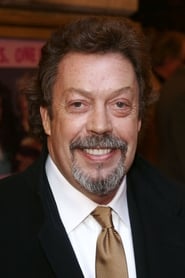
Wadsworth
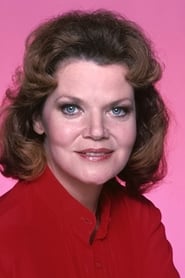
Mrs. Peacock

Mrs. White
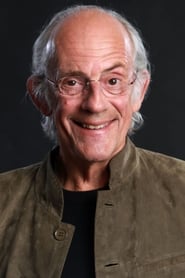
Professor Plum
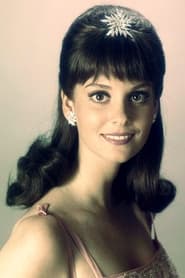
Miss Scarlet

Colonel Mustard
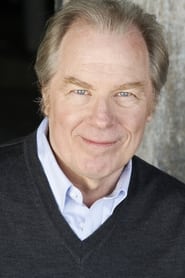
Mr. Green

Yvette
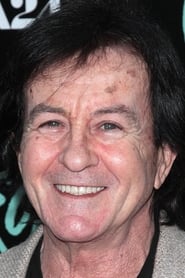
Mr. Boddy
Main Cast & Characters
Wadsworth
Played by Tim Curry
The butler who orchestrates the evening and serves as de facto detective, revealing himself as the key to the mystery.
Mrs. Peacock
Played by Eileen Brennan
A nervous, dramatic senator's wife with secrets to hide, prone to hysteria and theatrical outbursts.
Mrs. White
Played by Madeline Kahn
A sardonic, dark-humored widow with a mysterious past involving multiple dead husbands.
Professor Plum
Played by Christopher Lloyd
A psychiatrist who lost his medical license, charming but morally compromised and opportunistic.
Miss Scarlet
Played by Lesley Ann Warren
A cunning madam running an escort service in Washington D.C., manipulative and self-interested.
Colonel Mustard
Played by Martin Mull
A military man involved in wartime profiteering, bombastic and defensive about his reputation.
Mr. Green
Played by Michael McKean
A timid State Department employee being blackmailed about his homosexuality, nervous and fearful.
Yvette
Played by Colleen Camp
The French maid with connections to several guests, flirtatious and caught in a web of secrets.
Mr. Boddy
Played by Lee Ving
The blackmailer who brings the guests together, manipulative and controlling until his apparent murder.
Structural Analysis
The Status Quo at 1 minutes (1% through the runtime) establishes A dark and stormy night as guests arrive individually at Hill House, each greeted by Wadsworth the butler and assigned pseudonyms based on colors, establishing the mysterious and formal atmosphere.. Significantly, this early placement immediately immerses viewers in the story world.
The inciting incident occurs at 11 minutes when Mr. Boddy arrives and is revealed as the blackmailer. He distributes weapons to each guest and threatens to expose all their secrets to the police unless one of them kills Wadsworth, the one who gathered them.. At 12% through the film, this Disruption aligns precisely with traditional story structure. This beat shifts the emotional landscape, launching the protagonist into the central conflict.
The First Threshold at 24 minutes marks the transition into Act II, occurring at 25% of the runtime. This shows the protagonist's commitment to The group collectively decides they must solve the murder themselves rather than call the police, as doing so would expose all their secrets. They commit to searching the mansion together, locking themselves into the mystery., moving from reaction to action.
At 47 minutes, the Midpoint arrives at 50% of the runtime—precisely centered, creating perfect narrative symmetry. Structural examination shows that this crucial beat The motorist who stopped to use the phone is found murdered. The body count escalates from one to multiple victims, transforming this from a contained mystery into an active killing spree with the murderer still among them., fundamentally raising what's at risk. The emotional intensity shifts, dividing the narrative into clear before-and-after phases.
The Collapse moment at 71 minutes (75% through) represents the emotional nadir. Here, With six bodies now in the house and the killer still unknown, complete chaos erupts. The guests turn on each other with accusations, trust utterly collapses, and it seems impossible to determine who is responsible for the carnage., illustrates the protagonist at their lowest point. This beat's placement in the final quarter sets up the climactic reversal.
The Second Threshold at 75 minutes initiates the final act resolution at 80% of the runtime. Wadsworth announces he knows the solution and gathers everyone together. He will now demonstrate exactly how the murders occurred, synthesizing all the clues into a coherent explanation that will reveal the killer., demonstrating the transformation achieved throughout the journey.
Emotional Journey
Clue's emotional architecture traces a deliberate progression across 15 carefully calibrated beats.
Narrative Framework
This structural analysis employs proven narrative structure principles that track dramatic progression. By mapping Clue against these established plot points, we can identify how Jonathan Lynn utilizes or subverts traditional narrative conventions. The plot point approach reveals not only adherence to structural principles but also creative choices that distinguish Clue within the comedy genre.
Jonathan Lynn's Structural Approach
Among the 7 Jonathan Lynn films analyzed on Arcplot, the average structural score is 7.0, demonstrating varied approaches to story architecture. Clue takes a more unconventional approach compared to the director's typical style. For comparative analysis, explore the complete Jonathan Lynn filmography.
Comparative Analysis
Additional comedy films include The Bad Guys, Ella Enchanted and The Evening Star. For more Jonathan Lynn analyses, see Sgt. Bilko, Greedy and The Fighting Temptations.
Plot Points by Act
Act I
SetupStatus Quo
A dark and stormy night as guests arrive individually at Hill House, each greeted by Wadsworth the butler and assigned pseudonyms based on colors, establishing the mysterious and formal atmosphere.
Theme
Wadsworth reveals to the assembled guests that they have all been invited because they share something in common - they are all being blackmailed. Secrets and their deadly consequences form the thematic core.
Worldbuilding
The six guests arrive and are introduced by their colorful pseudonyms. The ornate mansion is established as a claustrophobic setting. Tensions simmer during an awkward dinner as each guest guards their secrets.
Disruption
Mr. Boddy arrives and is revealed as the blackmailer. He distributes weapons to each guest and threatens to expose all their secrets to the police unless one of them kills Wadsworth, the one who gathered them.
Resistance
The lights go out and when restored, Mr. Boddy lies dead. Chaos ensues as guests argue about what happened. Wadsworth attempts to organize them, suggesting they search the house for the murderer and any accomplices.
Act II
ConfrontationFirst Threshold
The group collectively decides they must solve the murder themselves rather than call the police, as doing so would expose all their secrets. They commit to searching the mansion together, locking themselves into the mystery.
Mirror World
The cook is discovered dead in the kitchen. The servants - Yvette the maid and the cook - represent the hidden underbelly of secrets, those who know too much about their employers' indiscretions and pay the ultimate price.
Premise
The guests split into pairs and search the mansion room by room, discovering secret passages, encountering surprise visitors, and engaging in rapid-fire comedic dialogue. The board game premise comes alive as they move through iconic rooms.
Midpoint
The motorist who stopped to use the phone is found murdered. The body count escalates from one to multiple victims, transforming this from a contained mystery into an active killing spree with the murderer still among them.
Opposition
Bodies continue to pile up - a police officer investigating the abandoned car, and a singing telegram girl at the door. Paranoia intensifies as the guests realize anyone could be next, and the killer is growing bolder.
Collapse
With six bodies now in the house and the killer still unknown, complete chaos erupts. The guests turn on each other with accusations, trust utterly collapses, and it seems impossible to determine who is responsible for the carnage.
Crisis
The group fragments as fear and suspicion reach a fever pitch. Everyone is both suspect and potential victim. The frantic energy of the ensemble reaches its breaking point as they struggle to make sense of the night's horrors.
Act III
ResolutionSecond Threshold
Wadsworth announces he knows the solution and gathers everyone together. He will now demonstrate exactly how the murders occurred, synthesizing all the clues into a coherent explanation that will reveal the killer.
Synthesis
Wadsworth leads an elaborate, breathless reenactment of the entire evening, racing through the mansion reconstructing each murder. The famous multiple endings play out, offering different solutions to the mystery in true board game fashion.
Transformation
The true ending reveals the killer and justice is served. The surviving guests, their secrets now exposed but their lives spared, emerge from the night's ordeal transformed - no longer victims of blackmail but survivors of a deadly game.