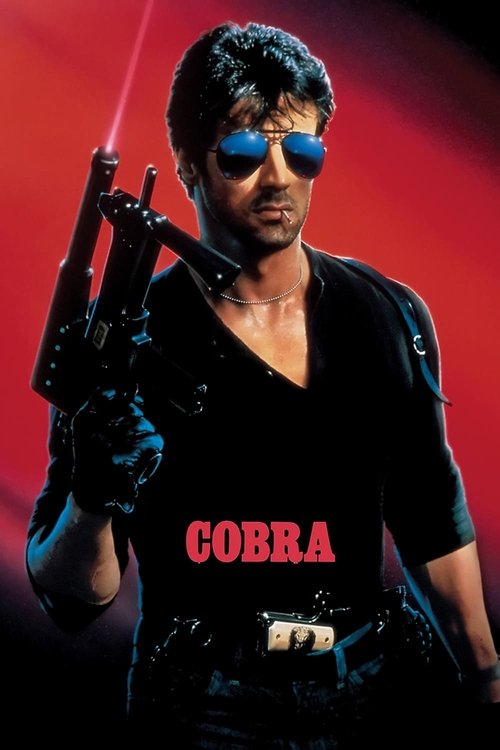
Cobra
A tough-on-crime street cop must protect the only surviving witness to a strange murderous cult with far reaching plans.
Working with a mid-range budget of $25.0M, the film achieved a modest success with $49.0M in global revenue (+96% profit margin).


Plot Structure
Story beats plotted across runtime


Narrative Arc
Emotional journey through the story's key moments
Story Circle
Blueprint 15-beat structure
Arcplot Score Breakdown
Weighted: Precision (70%) + Arc (15%) + Theme (15%)
Cobra (1986) reveals strategically placed dramatic framework, characteristic of George P. Cosmatos's storytelling approach. This structural analysis examines how the film's 15-point plot structure maps to proven narrative frameworks across 1 hour and 27 minutes. With an Arcplot score of 6.8, the film balances conventional beats with creative variation.
Characters
Cast & narrative archetypes
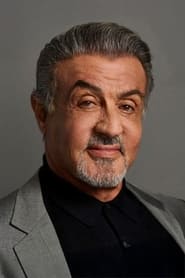
Marion "Cobra" Cobretti

Ingrid Knudsen

Night Slasher
Sergeant Tony Gonzales
Detective Monte
Main Cast & Characters
Marion "Cobra" Cobretti
Played by Sylvester Stallone
An elite LAPD "Zombie Squad" detective who uses unconventional methods to take down violent criminals. Hard-edged, cynical, and ruthlessly efficient.
Ingrid Knudsen
Played by Brigitte Nielsen
A fashion model who witnesses a cult murder and becomes the target of the New World killers. Strong-willed and resilient under extreme pressure.
Night Slasher
Played by Brian Thompson
The psychopathic leader of the New World cult, a group of social Darwinist killers. Charismatic, violent, and driven by nihilistic ideology.
Sergeant Tony Gonzales
Played by Reni Santoni
Cobra's partner and loyal ally in the Zombie Squad. Provides backup and comic relief while supporting Cobra's methods.
Detective Monte
Played by Andrew Robinson
An internal affairs detective who is suspicious of Cobra's methods and potentially corrupt. Creates obstacles for the hero.
Structural Analysis
The Status Quo at 1 minutes (1% through the runtime) establishes The Night Slasher cult performs a ritual killing, establishing Los Angeles as a city under siege by organized violence that the normal justice system cannot stop.. Structural examination shows that this early placement immediately immerses viewers in the story world.
The inciting incident occurs at 10 minutes when Ingrid Knudsen witnesses the Night Slasher cult committing murder, making her a target and disrupting both her life and Cobra's routine as she becomes the key witness who can identify the killers.. At 12% through the film, this Disruption aligns precisely with traditional story structure. This beat shifts the emotional landscape, launching the protagonist into the central conflict.
The First Threshold at 22 minutes marks the transition into Act II, occurring at 25% of the runtime. This indicates the protagonist's commitment to After the cult attacks Ingrid in the hospital, Cobra commits to personally protecting her by taking her into protective custody, transforming from investigator to guardian., moving from reaction to action.
At 44 minutes, the Midpoint arrives at 50% of the runtime—precisely centered, creating perfect narrative symmetry. Structural examination shows that this crucial beat Cobra realizes there is a mole within the police force feeding information to the cult, explaining how the killers keep finding Ingrid. The enemy is inside the system he serves., fundamentally raising what's at risk. The emotional intensity shifts, dividing the narrative into clear before-and-after phases.
The Collapse moment at 65 minutes (75% through) represents the emotional nadir. Here, The Night Slasher cult launches a full assault on the motel, killing several officers. Cobra's partner Gonzales is wounded, and the protective team is decimated, leaving Cobra and Ingrid nearly alone against an army., illustrates the protagonist at their lowest point. This beat's placement in the final quarter sets up the climactic reversal.
The Second Threshold at 70 minutes initiates the final act resolution at 80% of the runtime. Cobra eliminates the traitor cop and realizes the only way to end this is to go on the offensive. He leads the Night Slasher to the foundry for a final confrontation on his terms., demonstrating the transformation achieved throughout the journey.
Emotional Journey
Cobra's emotional architecture traces a deliberate progression across 15 carefully calibrated beats.
Narrative Framework
This structural analysis employs a 15-point narrative structure framework that maps key story moments. By mapping Cobra against these established plot points, we can identify how George P. Cosmatos utilizes or subverts traditional narrative conventions. The plot point approach reveals not only adherence to structural principles but also creative choices that distinguish Cobra within the action genre.
George P. Cosmatos's Structural Approach
Among the 4 George P. Cosmatos films analyzed on Arcplot, the average structural score is 7.2, reflecting strong command of classical structure. Cobra takes a more unconventional approach compared to the director's typical style. For comparative analysis, explore the complete George P. Cosmatos filmography.
Comparative Analysis
Additional action films include The Bad Guys, Puss in Boots and Venom: The Last Dance. For more George P. Cosmatos analyses, see Tombstone, Leviathan and The Cassandra Crossing.
Plot Points by Act
Act I
SetupStatus Quo
The Night Slasher cult performs a ritual killing, establishing Los Angeles as a city under siege by organized violence that the normal justice system cannot stop.
Theme
During the supermarket hostage crisis, the gunman declares that society is weak and deserves to die, articulating the film's central conflict between civilized order and primal violence.
Worldbuilding
We meet Lieutenant Marion "Cobra" Cobretti as a one-man solution to extreme violence, witness the supermarket takedown, and see Ingrid Knudsen inadvertently witness the Night Slasher cult's activities.
Disruption
Ingrid Knudsen witnesses the Night Slasher cult committing murder, making her a target and disrupting both her life and Cobra's routine as she becomes the key witness who can identify the killers.
Resistance
Cobra investigates the serial killings while the cult makes multiple attempts on Ingrid's life at the hospital. Detective Monte questions Cobra's methods as the danger to Ingrid escalates.
Act II
ConfrontationFirst Threshold
After the cult attacks Ingrid in the hospital, Cobra commits to personally protecting her by taking her into protective custody, transforming from investigator to guardian.
Mirror World
Cobra and Ingrid begin traveling together under his protection, and their interactions reveal his isolated humanity beneath the hardened exterior, establishing a connection that gives him something personal to fight for.
Premise
Cobra plays cat and mouse with the cult while protecting Ingrid. Car chases, shootouts, and the cult's relentless pursuit deliver the action spectacle as the scope of the New Order conspiracy becomes clear.
Midpoint
Cobra realizes there is a mole within the police force feeding information to the cult, explaining how the killers keep finding Ingrid. The enemy is inside the system he serves.
Opposition
The cult closes in despite every precaution. Cobra's team relocates Ingrid to a small town, but the corrupt cop reveals their location, and the New Order mobilizes for a massive assault.
Collapse
The Night Slasher cult launches a full assault on the motel, killing several officers. Cobra's partner Gonzales is wounded, and the protective team is decimated, leaving Cobra and Ingrid nearly alone against an army.
Crisis
In the chaos of the assault, Cobra must get Ingrid to safety while surrounded by cult members. The corrupt detective's betrayal is fully revealed as he attempts to kill Ingrid himself.
Act III
ResolutionSecond Threshold
Cobra eliminates the traitor cop and realizes the only way to end this is to go on the offensive. He leads the Night Slasher to the foundry for a final confrontation on his terms.
Synthesis
Cobra wages war through the industrial foundry, systematically eliminating cult members. He confronts the Night Slasher in hand-to-hand combat, ultimately impaling him on a hook and feeding him into a furnace.
Transformation
Cobra and Ingrid emerge from the destruction together. The lone wolf now rides off with someone worth protecting, transformed from isolated enforcer to a man with human connection.