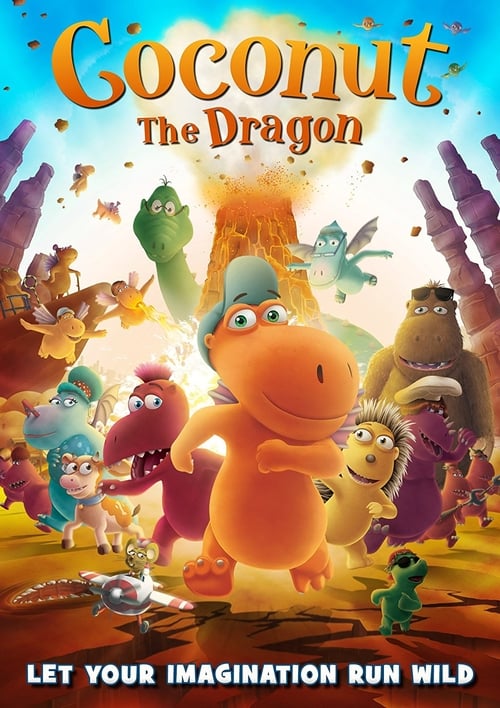
Coconut the Dragon
Coconut and his friend Oscar are outsiders on Dragon Island. Coconut is supposed to be a flying dragon but he can't fly and Oscar, a carnivore by nature, is a vegetarian bychoice. Together with the porcupine Matilda they go on fabulous adventures and meet dragons in all shapes and sizes.
The film earned $8.0M at the global box office.


Plot Structure
Story beats plotted across runtime


Narrative Arc
Emotional journey through the story's key moments
Story Circle
Blueprint 15-beat structure
Arcplot Score Breakdown
Weighted: Precision (70%) + Arc (15%) + Theme (15%)
Coconut the Dragon (2014) exemplifies strategically placed narrative design, characteristic of Hubert Weiland's storytelling approach. This structural analysis examines how the film's 15-point plot structure maps to proven narrative frameworks across 1 hour and 22 minutes. With an Arcplot score of 7.4, the film balances conventional beats with creative variation.
Structural Analysis
The Status Quo at 1 minutes (1% through the runtime) establishes Coconut, a young fire dragon, lives peacefully on Dragon Island with his friends Matilda the porcupine and Oscar the vegetarian dragon, practicing his fire-breathing skills but struggling to fit in with traditional dragon expectations.. Notably, this early placement immediately immerses viewers in the story world.
The inciting incident occurs at 10 minutes when A threat emerges - either dragons are going missing, a dangerous enemy appears, or Coconut's unconventional nature causes a crisis that disrupts the peaceful island life.. At 12% through the film, this Disruption aligns precisely with traditional story structure. This beat shifts the emotional landscape, launching the protagonist into the central conflict.
The First Threshold at 20 minutes marks the transition into Act II, occurring at 24% of the runtime. This illustrates the protagonist's commitment to Coconut makes the active choice to embark on an adventure/quest with Matilda and Oscar, leaving the safety of Dragon Island to confront the threat or solve the mystery., moving from reaction to action.
At 41 minutes, the Midpoint arrives at 51% of the runtime—precisely centered, creating perfect narrative symmetry. Significantly, this crucial beat False victory - Coconut and his friends appear to overcome a major obstacle or gain important information, raising stakes and confidence, but the real challenge still looms ahead., fundamentally raising what's at risk. The emotional intensity shifts, dividing the narrative into clear before-and-after phases.
The Collapse moment at 61 minutes (75% through) represents the emotional nadir. Here, The darkest moment - Coconut and his friends are separated, captured, or face devastating failure. The mission seems impossible, and Coconut doubts his worth and ability to help., shows the protagonist at their lowest point. This beat's placement in the final quarter sets up the climactic reversal.
The Second Threshold at 66 minutes initiates the final act resolution at 81% of the runtime. Coconut realizes that his unique qualities and the strength of his diverse friendship are exactly what's needed. New resolve to face the final challenge by being true to himself., demonstrating the transformation achieved throughout the journey.
Emotional Journey
Coconut the Dragon's emotional architecture traces a deliberate progression across 15 carefully calibrated beats.
Narrative Framework
This structural analysis employs structural analysis methodology used to understand storytelling architecture. By mapping Coconut the Dragon against these established plot points, we can identify how Hubert Weiland utilizes or subverts traditional narrative conventions. The plot point approach reveals not only adherence to structural principles but also creative choices that distinguish Coconut the Dragon within the family genre.
Comparative Analysis
Additional family films include The Bad Guys, Like A Rolling Stone and Cats Don't Dance.
Plot Points by Act
Act I
SetupStatus Quo
Coconut, a young fire dragon, lives peacefully on Dragon Island with his friends Matilda the porcupine and Oscar the vegetarian dragon, practicing his fire-breathing skills but struggling to fit in with traditional dragon expectations.
Theme
Matilda or Oscar mentions that true strength comes from being yourself and friendship, not from following what others expect of you - establishing the theme of authenticity and courage.
Worldbuilding
Introduction to Dragon Island, the diverse dragon community, Coconut's relationship with his unusual friends (a porcupine and vegetarian dragon), and the establishment of dragon traditions and expectations that Coconut doesn't quite fit.
Disruption
A threat emerges - either dragons are going missing, a dangerous enemy appears, or Coconut's unconventional nature causes a crisis that disrupts the peaceful island life.
Resistance
Coconut debates whether he can help solve the crisis despite being different. His friends encourage him, while elder dragons doubt his abilities. Preparation and gathering courage for the adventure ahead.
Act II
ConfrontationFirst Threshold
Coconut makes the active choice to embark on an adventure/quest with Matilda and Oscar, leaving the safety of Dragon Island to confront the threat or solve the mystery.
Mirror World
The trio enters a new world or meets new characters who represent different values - showing that differences can be strengths, reinforcing the thematic message about individuality and friendship.
Premise
Adventure and exploration sequence where Coconut and friends navigate challenges, use their unique abilities in creative ways, and discover that their unconventional friendship is actually an advantage.
Midpoint
False victory - Coconut and his friends appear to overcome a major obstacle or gain important information, raising stakes and confidence, but the real challenge still looms ahead.
Opposition
The antagonist or opposing forces intensify their efforts. Coconut's differences are challenged, friendships are tested, and the group faces increasingly difficult obstacles that exploit their weaknesses.
Collapse
The darkest moment - Coconut and his friends are separated, captured, or face devastating failure. The mission seems impossible, and Coconut doubts his worth and ability to help.
Crisis
Coconut processes the loss and doubt, reflecting on the journey and what he's learned about himself and true friendship. The emotional low point before discovering inner strength.
Act III
ResolutionSecond Threshold
Coconut realizes that his unique qualities and the strength of his diverse friendship are exactly what's needed. New resolve to face the final challenge by being true to himself.
Synthesis
The finale where Coconut, Matilda, and Oscar work together, combining their different strengths to defeat the antagonist and save Dragon Island, proving that diversity and friendship triumph over conformity.
Transformation
Coconut is celebrated on Dragon Island not despite his differences but because of them. The closing image shows him confident and accepted, with his unconventional friends by his side - a mirror of the opening but transformed.