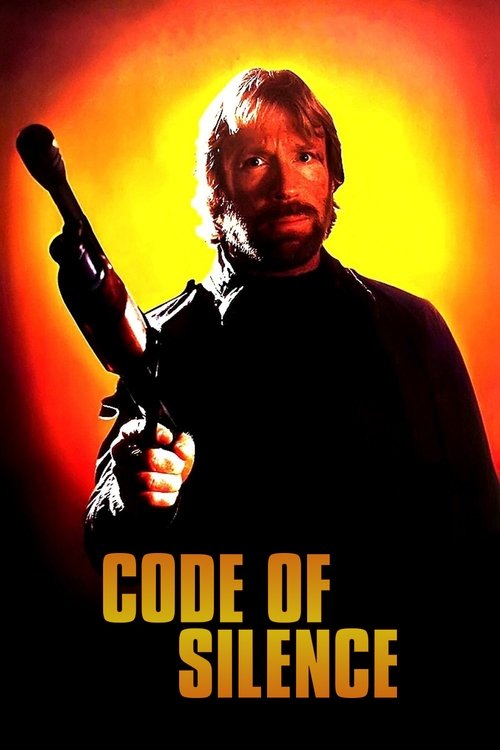
Code of Silence
A Chicago cop is caught in the middle of a gang war while his own comrades shun him because he wants to take an irresponsible cop down.
Despite its tight budget of $7.0M, Code of Silence became a box office success, earning $20.3M worldwide—a 191% return.


Plot Structure
Story beats plotted across runtime


Narrative Arc
Emotional journey through the story's key moments
Story Circle
Blueprint 15-beat structure
Arcplot Score Breakdown
Weighted: Precision (70%) + Arc (15%) + Theme (15%)
Code of Silence (1985) showcases carefully calibrated story structure, characteristic of Andrew Davis's storytelling approach. This structural analysis examines how the film's 15-point plot structure maps to proven narrative frameworks across 1 hour and 41 minutes. With an Arcplot score of 6.7, the film balances conventional beats with creative variation.
Characters
Cast & narrative archetypes
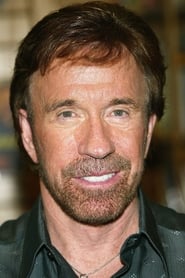
Eddie Cusack

Diana Luna
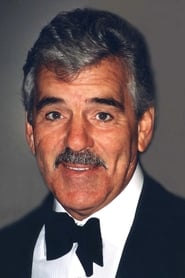
Cragie
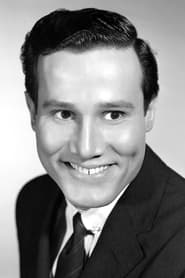
Luis Comacho
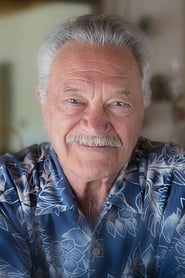
Tony Luna

Commander Kates
Main Cast & Characters
Eddie Cusack
Played by Chuck Norris
A principled Chicago cop who refuses to participate in the police code of silence when he witnesses corruption and brutality within his own department.
Diana Luna
Played by Molly Hagan
A young woman caught in the crossfire of a gang war after her crime lord father is killed, becoming a target for both gangs and corrupt police.
Cragie
Played by Dennis Farina
Cusack's partner and close friend who faces a moral crisis when his own actions contribute to violence and he must choose between loyalty and integrity.
Luis Comacho
Played by Henry Silva
A ruthless drug lord seeking revenge and power after his operation is disrupted, targeting both rival gangs and anyone who gets in his way.
Tony Luna
Played by Mike Genovese
A crime boss and Diana's father whose criminal empire triggers the violent gang war that drives the film's conflict.
Commander Kates
Played by Ralph Foody
A police superior who prioritizes department reputation over justice, pressuring officers to maintain the code of silence.
Structural Analysis
The Status Quo at 1 minutes (1% through the runtime) establishes Chicago at night. Detective Eddie Cusack leads his team preparing for a major drug bust, establishing him as a competent, respected cop operating within the system.. Significantly, this early placement immediately immerses viewers in the story world.
The inciting incident occurs at 12 minutes when The drug bust goes wrong when the Comacho gang massacres the Luna family during the exchange. Luis Comacho's son is killed, and Victor Comacho escapes, sparking a violent gang war that will engulf the city and put innocent Diana Luna in danger.. At 12% through the film, this Disruption aligns precisely with traditional story structure. This beat shifts the emotional landscape, launching the protagonist into the central conflict.
The First Threshold at 26 minutes marks the transition into Act II, occurring at 26% of the runtime. This illustrates the protagonist's commitment to Cusack makes the choice to protect Diana Luna despite departmental pressure to drop it and fall in line. He commits to pursuing justice on both fronts - stopping Comacho and refusing to participate in the cover-up., moving from reaction to action.
At 52 minutes, the Midpoint arrives at 52% of the runtime—precisely centered, creating perfect narrative symmetry. Structural examination shows that this crucial beat False defeat: Comacho's men locate Diana's safehouse and launch an attack. Cusack barely saves her, but the escalation proves the Comachos won't stop. Meanwhile, the internal affairs investigation into Cusack's refusal to support the cover-up intensifies., fundamentally raising what's at risk. The emotional intensity shifts, dividing the narrative into clear before-and-after phases.
The Collapse moment at 76 minutes (75% through) represents the emotional nadir. Here, Cusack's partner is killed by Comacho's men, and Diana is kidnapped. Cusack stands alone - abandoned by colleagues who blame his refusal to play along, with the woman he swore to protect now in the hands of killers., demonstrates the protagonist at their lowest point. This beat's placement in the final quarter sets up the climactic reversal.
The Second Threshold at 81 minutes initiates the final act resolution at 80% of the runtime. Cusack learns where Comacho is holding Diana and decides to go after her alone, commandeering the experimental Prowler robot. He synthesizes his duty as a cop with his personal code - justice will be served his way., demonstrating the transformation achieved throughout the journey.
Emotional Journey
Code of Silence's emotional architecture traces a deliberate progression across 15 carefully calibrated beats.
Narrative Framework
This structural analysis employs structural analysis methodology used to understand storytelling architecture. By mapping Code of Silence against these established plot points, we can identify how Andrew Davis utilizes or subverts traditional narrative conventions. The plot point approach reveals not only adherence to structural principles but also creative choices that distinguish Code of Silence within the action genre.
Andrew Davis's Structural Approach
Among the 9 Andrew Davis films analyzed on Arcplot, the average structural score is 6.9, demonstrating varied approaches to story architecture. Code of Silence takes a more unconventional approach compared to the director's typical style. For comparative analysis, explore the complete Andrew Davis filmography.
Comparative Analysis
Additional action films include The Bad Guys, Puss in Boots and Venom: The Last Dance. For more Andrew Davis analyses, see Steal Big Steal Little, Chain Reaction and Holes.
Plot Points by Act
Act I
SetupStatus Quo
Chicago at night. Detective Eddie Cusack leads his team preparing for a major drug bust, establishing him as a competent, respected cop operating within the system.
Theme
During the bust preparation, a fellow officer comments that the job is about doing what's right even when nobody's watching - foreshadowing the moral test Cusack will face regarding the code of silence.
Worldbuilding
The world of Chicago organized crime and police operations is established. The Comacho drug operation is introduced alongside the rival Luna family. Veteran cop Cragie accidentally shoots an unarmed teenager during the raid, and the other officers agree to cover it up.
Disruption
The drug bust goes wrong when the Comacho gang massacres the Luna family during the exchange. Luis Comacho's son is killed, and Victor Comacho escapes, sparking a violent gang war that will engulf the city and put innocent Diana Luna in danger.
Resistance
Cusack debates his path forward. He refuses to lie about what Cragie did, making enemies within the department. Meanwhile, he tracks the gang war escalation and learns Diana Luna witnessed the massacre, making her a target for Comacho's vengeance.
Act II
ConfrontationFirst Threshold
Cusack makes the choice to protect Diana Luna despite departmental pressure to drop it and fall in line. He commits to pursuing justice on both fronts - stopping Comacho and refusing to participate in the cover-up.
Mirror World
Diana Luna is properly introduced as Cusack takes her into protective custody. Her innocence and vulnerability represent everything worth protecting, embodying why breaking the code of silence matters - justice for the powerless.
Premise
Cusack works the case his way - investigating the Comachos while protecting Diana and dealing with hostility from fellow cops. Action sequences showcase his skills as he tangles with Comacho's men. The Prowler robot tank is introduced as experimental police equipment.
Midpoint
False defeat: Comacho's men locate Diana's safehouse and launch an attack. Cusack barely saves her, but the escalation proves the Comachos won't stop. Meanwhile, the internal affairs investigation into Cusack's refusal to support the cover-up intensifies.
Opposition
Pressure mounts from all sides. The Comachos grow more violent and desperate. Cusack's fellow officers ostracize him for breaking their code. His partner is threatened. Diana remains in constant danger as safe locations are compromised one after another.
Collapse
Cusack's partner is killed by Comacho's men, and Diana is kidnapped. Cusack stands alone - abandoned by colleagues who blame his refusal to play along, with the woman he swore to protect now in the hands of killers.
Crisis
In the aftermath of loss, Cusack must decide whether to play by the rules of a system that has failed him or take matters into his own hands. He processes his grief and rage, preparing for a final confrontation.
Act III
ResolutionSecond Threshold
Cusack learns where Comacho is holding Diana and decides to go after her alone, commandeering the experimental Prowler robot. He synthesizes his duty as a cop with his personal code - justice will be served his way.
Synthesis
The explosive finale at the Comacho warehouse. Cusack deploys the Prowler robot and fights through Comacho's army. He rescues Diana and confronts Luis Comacho in a final showdown, defeating him. The corrupt cop Cragie's cover-up is also exposed through Cusack's testimony.
Transformation
Diana is safe, the Comachos are destroyed, and Cusack stands vindicated. His refusal to participate in the code of silence has been validated - true justice required standing alone against corruption from both criminals and colleagues.