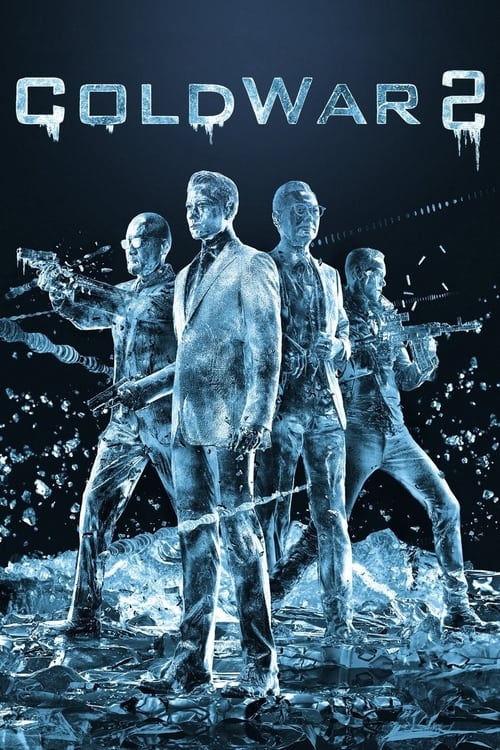
Cold War II
A suspected criminal mastermind escapes from police custody, throwing the city into turmoil. With the police department now divided, rival police chiefs are forced to take their fight to the streets of Hong Kong with deadly consequences.
The film earned $103.2M at the global box office.
2 wins & 15 nominations


Plot Structure
Story beats plotted across runtime


Narrative Arc
Emotional journey through the story's key moments
Story Circle
Blueprint 15-beat structure
Arcplot Score Breakdown
Weighted: Precision (70%) + Arc (15%) + Theme (15%)
Cold War II (2016) exhibits carefully calibrated plot construction, characteristic of Leung Lok-Man's storytelling approach. This structural analysis examines how the film's 15-point plot structure maps to proven narrative frameworks across 1 hour and 50 minutes. With an Arcplot score of 7.4, the film balances conventional beats with creative variation.
Characters
Cast & narrative archetypes

Sean Lau
M.B. Lee
Oswald Kan
Billy Cheung
Phoenix Leung
May Lau
Main Cast & Characters
Sean Lau
Played by Aaron Kwok
Acting Commissioner of Police who faces political conspiracies while trying to rescue his kidnapped subordinates and clear his name.
M.B. Lee
Played by Tony Leung Ka-fai
Former Deputy Commissioner who becomes Sean Lau's rival and antagonist, manipulating events from behind the scenes.
Oswald Kan
Played by Chow Yun-fat
ICAC investigator who probes into police corruption and becomes entangled in the conspiracy.
Billy Cheung
Played by Eddie Peng
Sean Lau's loyal deputy who supports him throughout the crisis.
Phoenix Leung
Played by Aarif Rahman
Security official involved in the conspiracy and political maneuvering.
May Lau
Played by Charlie Yeung
Sean Lau's wife who provides emotional support and becomes concerned for his safety.
Structural Analysis
The Status Quo at 1 minutes (1% through the runtime) establishes Sean Lau (Aaron Kwok) is sworn in as the new Commissioner of Police after the events of the first film, appearing to have achieved his goal of leading the Hong Kong Police Force.. Notably, this early placement immediately immerses viewers in the story world.
The inciting incident occurs at 13 minutes when Sean Lau's wife and daughter are kidnapped by masked gunmen during a brazen daylight attack, and the kidnappers demand the release of Joe Lee in exchange for their safe return.. At 12% through the film, this Disruption aligns precisely with traditional story structure. This beat shifts the emotional landscape, launching the protagonist into the central conflict.
The First Threshold at 27 minutes marks the transition into Act II, occurring at 24% of the runtime. This demonstrates the protagonist's commitment to Sean makes the active choice to pursue the kidnappers by any means necessary while maintaining his position as Commissioner, refusing to resign despite pressure. He commits to uncovering the conspiracy rather than simply complying with demands., moving from reaction to action.
At 55 minutes, the Midpoint arrives at 50% of the runtime—precisely centered, creating perfect narrative symmetry. Significantly, this crucial beat Sean discovers evidence that the conspiracy goes far deeper than a simple kidnapping—it involves high-ranking officials and a plot to destabilize the entire police force. What seemed like a personal crisis is revealed as a systemic attack. False defeat: his family is still missing and he's now facing institutional enemies., fundamentally raising what's at risk. The emotional intensity shifts, dividing the narrative into clear before-and-after phases.
The Collapse moment at 81 minutes (74% through) represents the emotional nadir. Here, Sean is suspended from duty and faces criminal charges. His family's location remains unknown and time is running out. He loses his badge and authority—the death of his identity as Commissioner and protector. Joe Lee is released, appearing to win., illustrates the protagonist at their lowest point. This beat's placement in the final quarter sets up the climactic reversal.
The Second Threshold at 88 minutes initiates the final act resolution at 80% of the runtime. Sean synthesizes crucial evidence that reveals the mastermind's identity and location. He gains information showing how to expose the conspiracy and rescue his family. He realizes he must act outside the law to uphold justice—combining his police skills with personal determination., demonstrating the transformation achieved throughout the journey.
Emotional Journey
Cold War II's emotional architecture traces a deliberate progression across 15 carefully calibrated beats.
Narrative Framework
This structural analysis employs a 15-point narrative structure framework that maps key story moments. By mapping Cold War II against these established plot points, we can identify how Leung Lok-Man utilizes or subverts traditional narrative conventions. The plot point approach reveals not only adherence to structural principles but also creative choices that distinguish Cold War II within the action genre.
Comparative Analysis
Additional action films include The Bad Guys, Puss in Boots and Venom: The Last Dance.
Plot Points by Act
Act I
SetupStatus Quo
Sean Lau (Aaron Kwok) is sworn in as the new Commissioner of Police after the events of the first film, appearing to have achieved his goal of leading the Hong Kong Police Force.
Theme
A legislative council member warns about the dangers of unchecked power and the importance of accountability in law enforcement, foreshadowing the central conflict between institutional power and personal integrity.
Worldbuilding
Establishment of Sean Lau's new position and the political landscape. Introduction of the legislative oversight committee, tensions between police and government, and the unresolved mysteries from the previous case. Joe Lee remains imprisoned but defiant.
Disruption
Sean Lau's wife and daughter are kidnapped by masked gunmen during a brazen daylight attack, and the kidnappers demand the release of Joe Lee in exchange for their safe return.
Resistance
Sean faces an impossible dilemma: follow protocol and risk his family, or break the law to save them. The legislative council debates emergency powers. Former rival Waise Lee offers insight but also suspects Sean of corruption. Internal investigation begins.
Act II
ConfrontationFirst Threshold
Sean makes the active choice to pursue the kidnappers by any means necessary while maintaining his position as Commissioner, refusing to resign despite pressure. He commits to uncovering the conspiracy rather than simply complying with demands.
Mirror World
The relationship between Sean and the lawyer Oswald Kan (Chow Yun-fat) deepens as Kan offers to help navigate the legal and political minefield. Kan represents the thematic counterpoint of working within the system versus breaking it.
Premise
High-stakes police procedural as Sean's team investigates the conspiracy while he's under scrutiny. Action sequences include surveillance operations, interrogations, and tactical pursuits. Political maneuvering intensifies as various factions try to exploit the crisis.
Midpoint
Sean discovers evidence that the conspiracy goes far deeper than a simple kidnapping—it involves high-ranking officials and a plot to destabilize the entire police force. What seemed like a personal crisis is revealed as a systemic attack. False defeat: his family is still missing and he's now facing institutional enemies.
Opposition
The conspiracy tightens around Sean. Allies are compromised or revealed as traitors. The legislative council moves to remove him from power. Evidence is manipulated against him. His own officers begin to doubt his leadership. The kidnappers stay one step ahead.
Collapse
Sean is suspended from duty and faces criminal charges. His family's location remains unknown and time is running out. He loses his badge and authority—the death of his identity as Commissioner and protector. Joe Lee is released, appearing to win.
Crisis
Sean's dark night as he contemplates failure. He must reconcile his role as both law enforcer and desperate husband/father. Kan provides crucial perspective about the difference between legal authority and moral duty.
Act III
ResolutionSecond Threshold
Sean synthesizes crucial evidence that reveals the mastermind's identity and location. He gains information showing how to expose the conspiracy and rescue his family. He realizes he must act outside the law to uphold justice—combining his police skills with personal determination.
Synthesis
The finale sequence: tactical assault on the conspirators' location, rescue of Sean's family, confrontation with the mastermind, exposure of corrupt officials, and public vindication. Explosive action set pieces and resolution of political threads.
Transformation
Sean is reinstated as Commissioner, but he's fundamentally changed—no longer the idealistic officer from the opening. He understands the complexity of power and the cost of leadership. His family is safe, but he bears the scars of compromise. The system is preserved but not unchanged.