
Conquest of the Planet of the Apes
Cornelius and Zira's son Caesar leads apes to revolution in this installment of the apes saga. Dogs and cats have been wiped out by a plague and now apes are household pets that are treated like slaves. Caesar has the intelligence to fight this oppression.
Despite its limited budget of $1.7M, Conquest of the Planet of the Apes became a solid performer, earning $9.7M worldwide—a 471% return. The film's distinctive approach found its audience, confirming that strong storytelling can transcend budget limitations.


Plot Structure
Story beats plotted across runtime


Narrative Arc
Emotional journey through the story's key moments
Story Circle
Blueprint 15-beat structure
Arcplot Score Breakdown
Weighted: Precision (70%) + Arc (15%) + Theme (15%)
Conquest of the Planet of the Apes (1972) exhibits strategically placed story structure, characteristic of J. Lee Thompson's storytelling approach. This structural analysis examines how the film's 15-point plot structure maps to proven narrative frameworks across 1 hour and 28 minutes. With an Arcplot score of 6.8, the film balances conventional beats with creative variation.
Characters
Cast & narrative archetypes

Caesar

Governor Breck
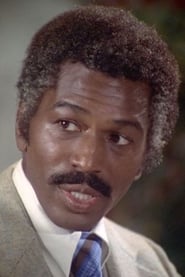
MacDonald

Armando

Kolp

Lisa
Main Cast & Characters
Caesar
Played by Roddy McDowall
Intelligent chimpanzee who leads an ape uprising against human oppression in a dystopian future where apes are enslaved.
Governor Breck
Played by Don Murray
Authoritarian governor who rules the city-state with an iron fist and commands the subjugation of apes.
MacDonald
Played by Hari Rhodes
Black assistant to Governor Breck who sympathizes with Caesar and the apes' plight, understanding oppression firsthand.
Armando
Played by Ricardo Montalbán
Circus owner who raised Caesar and sacrifices himself to protect Caesar's secret identity as an intelligent ape.
Kolp
Played by Severn Darden
Chief of security and Inspector, a sadistic enforcer who oversees the torture and interrogation of apes.
Lisa
Played by Natalie Trundy
Female chimpanzee who becomes Caesar's love interest and eventually finds her voice during the revolution.
Structural Analysis
The Status Quo at 1 minutes (1% through the runtime) establishes A dystopian 1991 cityscape reveals apes serving as slaves, conditioning facilities training them for servitude. Caesar, hidden as a circus ape, observes this oppressive world with Armando, his human protector.. The analysis reveals that this early placement immediately immerses viewers in the story world.
The inciting incident occurs at 11 minutes when Caesar witnesses an ape being brutally beaten and instinctively cries out "Lousy human bastards!" Armando tries to cover for him, but authorities become suspicious. Caesar must flee into the city alone.. At 12% through the film, this Disruption aligns precisely with traditional story structure. This beat shifts the emotional landscape, launching the protagonist into the central conflict.
The First Threshold at 22 minutes marks the transition into Act II, occurring at 25% of the runtime. This shows the protagonist's commitment to Caesar is given his name by Breck—chosen from a book, unknowingly naming him after conquerors. Caesar accepts this identity, committing to infiltrate the power structure. He crosses from survivor to subversive., moving from reaction to action.
At 44 minutes, the Midpoint arrives at 50% of the runtime—precisely centered, creating perfect narrative symmetry. Significantly, this crucial beat Armando is captured and dies—either thrown from a window or having jumped to avoid revealing Caesar's secret under torture. Caesar loses his protector and father figure. False defeat: the last connection to his peaceful past is severed., fundamentally raising what's at risk. The emotional intensity shifts, dividing the narrative into clear before-and-after phases.
The Collapse moment at 66 minutes (75% through) represents the emotional nadir. Here, Caesar is captured and subjected to the Authenticator—electrocution torture designed to make him speak. He is forced to reveal himself, confirming humans' worst fears. Breck orders his execution. All hope seems lost., indicates the protagonist at their lowest point. This beat's placement in the final quarter sets up the climactic reversal.
The Second Threshold at 70 minutes initiates the final act resolution at 80% of the runtime. Caesar rises from apparent death and escapes. He realizes the revolution cannot wait—it must happen now. He signals the apes to begin the uprising, transforming from secret organizer to open revolutionary leader., demonstrating the transformation achieved throughout the journey.
Emotional Journey
Conquest of the Planet of the Apes's emotional architecture traces a deliberate progression across 15 carefully calibrated beats.
Narrative Framework
This structural analysis employs structural analysis methodology used to understand storytelling architecture. By mapping Conquest of the Planet of the Apes against these established plot points, we can identify how J. Lee Thompson utilizes or subverts traditional narrative conventions. The plot point approach reveals not only adherence to structural principles but also creative choices that distinguish Conquest of the Planet of the Apes within the action genre.
J. Lee Thompson's Structural Approach
Among the 13 J. Lee Thompson films analyzed on Arcplot, the average structural score is 7.1, reflecting strong command of classical structure. Conquest of the Planet of the Apes takes a more unconventional approach compared to the director's typical style. For comparative analysis, explore the complete J. Lee Thompson filmography.
Comparative Analysis
Additional action films include The Bad Guys, Puss in Boots and Venom: The Last Dance. For more J. Lee Thompson analyses, see The Greek Tycoon, Happy Birthday to Me and Battle for the Planet of the Apes.
Plot Points by Act
Act I
SetupStatus Quo
A dystopian 1991 cityscape reveals apes serving as slaves, conditioning facilities training them for servitude. Caesar, hidden as a circus ape, observes this oppressive world with Armando, his human protector.
Theme
Armando warns Caesar: "Never forget that all apes are slaves. And remember, if you reveal that you can speak, you will be killed." The theme of oppression demanding silence and the danger of speaking truth to power is established.
Worldbuilding
The brutal ape-enslaving society is established. Caesar and Armando navigate the city, witnessing ape conditioning, punishment, and the systematic dehumanization. The plague that killed cats and dogs, leading to apes becoming pets then slaves, is explained.
Disruption
Caesar witnesses an ape being brutally beaten and instinctively cries out "Lousy human bastards!" Armando tries to cover for him, but authorities become suspicious. Caesar must flee into the city alone.
Resistance
Caesar hides among incoming apes from a shipment. He undergoes conditioning and auction, purchased for Governor Breck's command center. He learns to survive by feigning the docility expected of apes while observing the system from within.
Act II
ConfrontationFirst Threshold
Caesar is given his name by Breck—chosen from a book, unknowingly naming him after conquerors. Caesar accepts this identity, committing to infiltrate the power structure. He crosses from survivor to subversive.
Mirror World
MacDonald, Breck's African American assistant, shows sympathy toward Caesar. As a descendant of slaves, MacDonald represents the thematic mirror—understanding oppression from history and offering Caesar a human who sees apes as more than property.
Premise
Caesar works within the system while secretly radicalizing. He demonstrates exceptional intelligence, rises in status, and begins covertly communicating with other apes. He teaches them to resist conditioning and prepares them for uprising.
Midpoint
Armando is captured and dies—either thrown from a window or having jumped to avoid revealing Caesar's secret under torture. Caesar loses his protector and father figure. False defeat: the last connection to his peaceful past is severed.
Opposition
Inspector Kolp intensifies the hunt for the talking ape. Caesar accelerates his revolution plans, stockpiling weapons and organizing ape cells. Breck orders all apes tested to find the intelligent one. The noose tightens as Caesar races against discovery.
Collapse
Caesar is captured and subjected to the Authenticator—electrocution torture designed to make him speak. He is forced to reveal himself, confirming humans' worst fears. Breck orders his execution. All hope seems lost.
Crisis
Caesar awaits execution. MacDonald, moved by conscience and historical parallel, secretly reduces the voltage on the electrocution device. Caesar survives what should have been his death, playing dead until the moment is right.
Act III
ResolutionSecond Threshold
Caesar rises from apparent death and escapes. He realizes the revolution cannot wait—it must happen now. He signals the apes to begin the uprising, transforming from secret organizer to open revolutionary leader.
Synthesis
The ape revolution erupts. Armed apes storm through the city, overwhelming police and military. Caesar leads the assault on Breck's command center. The battle is brutal and decisive—the apes are victorious, capturing Breck.
Transformation
Caesar delivers his revolutionary speech over the conquered city. Where once he hid his voice to survive, he now speaks openly as leader. The silent slave has become the speaking conqueror—the birth of the Planet of the Apes.