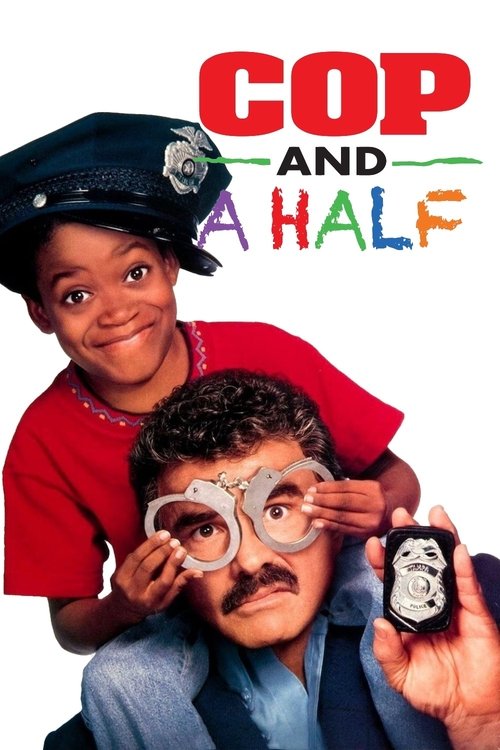
Cop & ½
When a pint-sized 8-year-old kid witnesses a murder he offers to help the police, if they make him a cop, too. Saddled with this streetwise sidekick, a hardboiled cop is forced to take his new partner seriously as they race the clock to bring the bad guys to justice.
Despite its modest budget of $4.0M, Cop & ½ became a massive hit, earning $40.7M worldwide—a remarkable 918% return. The film's unique voice attracted moviegoers, proving that strong storytelling can transcend budget limitations.


Plot Structure
Story beats plotted across runtime


Narrative Arc
Emotional journey through the story's key moments
Story Circle
Blueprint 15-beat structure
Arcplot Score Breakdown
Weighted: Precision (70%) + Arc (15%) + Theme (15%)
Cop & ½ (1993) exhibits carefully calibrated narrative architecture, characteristic of Henry Winkler's storytelling approach. This structural analysis examines how the film's 15-point plot structure maps to proven narrative frameworks across 1 hour and 33 minutes. With an Arcplot score of 7.4, the film balances conventional beats with creative variation.
Characters
Cast & narrative archetypes

Devon Butler
Nick McKenna
Rachel
Vinnie Fountain
Captain Lou Bosch
Main Cast & Characters
Devon Butler
Played by Norman D. Golden II
An 8-year-old boy obsessed with cops who witnesses a murder and dreams of becoming a police officer.
Nick McKenna
Played by Burt Reynolds
A tough, cynical detective forced to partner with a child to solve a murder case.
Rachel
Played by Ruby Dee
Devon's grandmother and guardian who is protective but supportive of him.
Vinnie Fountain
Played by Ray Sharkey
The main antagonist, a crime boss involved in murder and corruption.
Captain Lou Bosch
Played by Holland Taylor
Nick's police captain who reluctantly approves the unusual partnership.
Structural Analysis
The Status Quo at 1 minutes (1% through the runtime) establishes Devon Butler plays cop in his neighborhood, fantasizing about being a hero detective. He's obsessed with TV cop shows and dreams of fame and glory, showing his immature understanding of real police work.. The analysis reveals that this early placement immediately immerses viewers in the story world.
The inciting incident occurs at 11 minutes when Devon witnesses a murder committed by Vinnie Fountain's gang from his makeshift treehouse "stakeout." He's the only witness to identify the killers, placing him in danger and making him valuable to the police investigation.. At 12% through the film, this Disruption aligns precisely with traditional story structure. This beat shifts the emotional landscape, launching the protagonist into the central conflict.
The First Threshold at 23 minutes marks the transition into Act II, occurring at 25% of the runtime. This reveals the protagonist's commitment to The police captain officially makes Devon Nick's "partner" to secure his cooperation. Nick reluctantly accepts. Devon gets a badge and radio, gleefully entering his fantasy world of being a real cop, not understanding the actual danger he's in., moving from reaction to action.
At 45 minutes, the Midpoint arrives at 48% of the runtime—precisely centered, creating perfect narrative symmetry. Structural examination shows that this crucial beat False victory: Devon and Nick make real progress on the case, bonding as partners. Devon helps crack a lead using his street knowledge. He feels like a real detective, and Nick begins to respect him. Devon believes he's proven himself, but he still doesn't grasp the real danger., fundamentally raising what's at risk. The emotional intensity shifts, dividing the narrative into clear before-and-after phases.
The Collapse moment at 68 minutes (73% through) represents the emotional nadir. Here, Devon's selfish actions (seeking glory, not following Nick's orders) lead to Nick being captured by the criminals. Devon realizes his fantasy has put his friend in mortal danger. The "whiff of death"—Nick will be killed because of Devon's immaturity., indicates the protagonist at their lowest point. This beat's placement in the final quarter sets up the climactic reversal.
The Second Threshold at 74 minutes initiates the final act resolution at 80% of the runtime. Devon chooses to save Nick, accepting that he might not survive and no one will celebrate him. He uses both his street-smart kid skills (what he brought) and the real cop lessons Nick taught him (what he learned). He finally understands what being a hero means., demonstrating the transformation achieved throughout the journey.
Emotional Journey
Cop & ½'s emotional architecture traces a deliberate progression across 15 carefully calibrated beats.
Narrative Framework
This structural analysis employs systematic plot point analysis that identifies crucial turning points. By mapping Cop & ½ against these established plot points, we can identify how Henry Winkler utilizes or subverts traditional narrative conventions. The plot point approach reveals not only adherence to structural principles but also creative choices that distinguish Cop & ½ within the action genre.
Comparative Analysis
Additional action films include The Bad Guys, Puss in Boots and Venom: The Last Dance.
Plot Points by Act
Act I
SetupStatus Quo
Devon Butler plays cop in his neighborhood, fantasizing about being a hero detective. He's obsessed with TV cop shows and dreams of fame and glory, showing his immature understanding of real police work.
Theme
Devon's grandmother tells him "You want to be a cop? Cops don't do it for the glory, they do it because somebody has to." Devon ignores this wisdom, focused only on the excitement and fame he imagines.
Worldbuilding
Establish Devon's world: obsessed 8-year-old playing cop, annoying his neighborhood and family. Introduce tough detective Nick McKenna investigating a murder tied to crime boss Vinnie Fountain. Devon constantly pesters real cops, trying to insert himself into police business.
Disruption
Devon witnesses a murder committed by Vinnie Fountain's gang from his makeshift treehouse "stakeout." He's the only witness to identify the killers, placing him in danger and making him valuable to the police investigation.
Resistance
Devon refuses to cooperate with police unless they make him Nick McKenna's partner. Nick initially refuses this absurd demand. Devon holds firm, negotiating his terms. Nick and the department debate whether to humor this child witness or find another way.
Act II
ConfrontationFirst Threshold
The police captain officially makes Devon Nick's "partner" to secure his cooperation. Nick reluctantly accepts. Devon gets a badge and radio, gleefully entering his fantasy world of being a real cop, not understanding the actual danger he's in.
Mirror World
First patrol together: Nick tries to ditch Devon, but Devon persists. Their relationship is established—Nick represents real sacrifice and duty (no glory), while Devon wants fame and fun. Their forced partnership will teach Devon what heroism really means.
Premise
The "fun and games" of the buddy cop premise: Devon plays cop with Nick, creating chaos at crime scenes, making ridiculous demands, and treating police work like a game. Comic sequences of their mismatched partnership, Devon gradually learning about real police work while Nick softens toward the kid.
Midpoint
False victory: Devon and Nick make real progress on the case, bonding as partners. Devon helps crack a lead using his street knowledge. He feels like a real detective, and Nick begins to respect him. Devon believes he's proven himself, but he still doesn't grasp the real danger.
Opposition
The criminals realize Devon is the witness and come after him. The stakes become real and dangerous. Nick tries to protect Devon while continuing the investigation. Devon's childish behavior puts them both at risk. Their leads bring them closer to Fountain, but the danger intensifies.
Collapse
Devon's selfish actions (seeking glory, not following Nick's orders) lead to Nick being captured by the criminals. Devon realizes his fantasy has put his friend in mortal danger. The "whiff of death"—Nick will be killed because of Devon's immaturity.
Crisis
Devon faces his darkest moment alone. His fantasy has shattered—real police work means people die. He must decide: run away to safety or risk everything to save Nick. He processes his grandmother's earlier wisdom about sacrifice and duty over glory.
Act III
ResolutionSecond Threshold
Devon chooses to save Nick, accepting that he might not survive and no one will celebrate him. He uses both his street-smart kid skills (what he brought) and the real cop lessons Nick taught him (what he learned). He finally understands what being a hero means.
Synthesis
The finale: Devon executes a plan to rescue Nick and stop the criminals. He works with the police as a real team member, not a glory hound. The climactic confrontation with Vinnie Fountain and his gang. Devon saves Nick through courage and sacrifice, not showboating.
Transformation
Devon is celebrated as a hero, but he's changed—he deflects credit to Nick and the team. When asked about being a cop, he acknowledges the sacrifice it requires. He still dreams of being a cop, but now understands it's about service, not glory. The final image mirrors the opening but shows his growth.