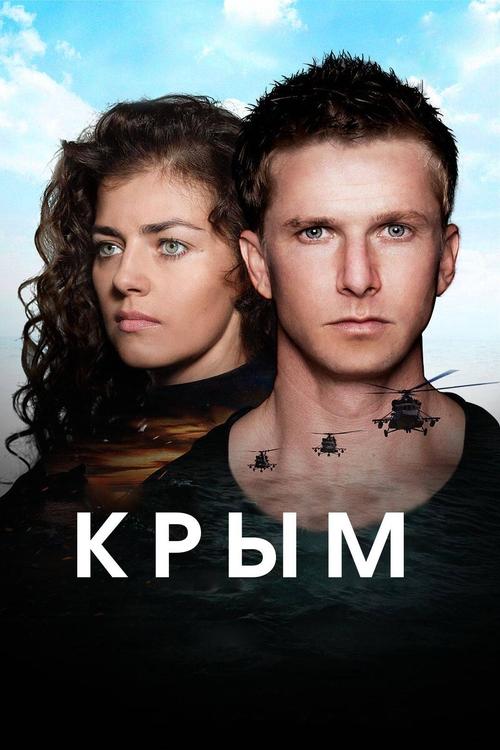
Crimea
The propaganda film follows a romantic liaison between a young woman who is a supporter of the Euromaidan, and a man who joins the Russian invasion troops in the aftermath of Euromaidan‘s success.
The film disappointed at the box office against its tight budget of $6.9M, earning $6.0M globally (-13% loss).
Plot Structure
Story beats plotted across runtime


Narrative Arc
Emotional journey through the story's key moments
Story Circle
Blueprint 15-beat structure
Arcplot Score Breakdown
Weighted: Precision (70%) + Arc (15%) + Theme (15%)
Crimea (2017) reveals strategically placed narrative design, characteristic of Aleksey Pimanov's storytelling approach. This structural analysis examines how the film's 15-point plot structure maps to proven narrative frameworks across 1 hour and 39 minutes. With an Arcplot score of 7.1, the film balances conventional beats with creative variation.
Structural Analysis
The Status Quo at 1 minutes (1% through the runtime) establishes Opening images establish Crimea's status as an autonomous republic within Ukraine, showing the peninsula's strategic and cultural significance in early 2014.. Significantly, this early placement immediately immerses viewers in the story world.
The inciting incident occurs at 12 minutes when The February 2014 Ukrainian revolution concludes with President Yanukovych fleeing Ukraine, creating a power vacuum and triggering immediate crisis in Crimea.. At 12% through the film, this Disruption aligns precisely with traditional story structure. This beat shifts the emotional landscape, launching the protagonist into the central conflict.
The First Threshold at 25 minutes marks the transition into Act II, occurring at 25% of the runtime. This shows the protagonist's commitment to Russian forces seize control of the Crimean parliament and strategic locations. Crimean leadership votes to hold a referendum on joining Russia - the irreversible decision launching the annexation process., moving from reaction to action.
At 49 minutes, the Midpoint arrives at 50% of the runtime—precisely centered, creating perfect narrative symmetry. Structural examination shows that this crucial beat The referendum results are announced: 96.77% vote to join Russia. A false victory - celebrated by Russian supporters but condemned internationally as illegitimate, raising rather than resolving tensions., fundamentally raising what's at risk. The emotional intensity shifts, dividing the narrative into clear before-and-after phases.
The Collapse moment at 74 minutes (74% through) represents the emotional nadir. Here, Footage shows displaced families, shuttered Ukrainian institutions, and Crimean Tatar leaders describing the death of their hopes for autonomy. The cultural and social fabric of multi-ethnic Crimea is broken., indicates the protagonist at their lowest point. This beat's placement in the final quarter sets up the climactic reversal.
The Second Threshold at 79 minutes initiates the final act resolution at 80% of the runtime. Putin formally signs the treaty incorporating Crimea into the Russian Federation. Despite international non-recognition, the annexation is complete - the new reality is established., demonstrating the transformation achieved throughout the journey.
Emotional Journey
Crimea's emotional architecture traces a deliberate progression across 15 carefully calibrated beats.
Narrative Framework
This structural analysis employs structural analysis methodology used to understand storytelling architecture. By mapping Crimea against these established plot points, we can identify how Aleksey Pimanov utilizes or subverts traditional narrative conventions. The plot point approach reveals not only adherence to structural principles but also creative choices that distinguish Crimea within the action genre.
Comparative Analysis
Additional action films include The Bad Guys, Puss in Boots and Venom: The Last Dance.
Plot Points by Act
Act I
SetupStatus Quo
Opening images establish Crimea's status as an autonomous republic within Ukraine, showing the peninsula's strategic and cultural significance in early 2014.
Theme
Historical context provided through interviews stating the fundamental question: "To whom does Crimea belong?" - establishing the territorial and identity conflict at the story's core.
Worldbuilding
Exposition of Crimea's complex history, the Euromaidan protests in Kyiv, political tensions between Ukraine and Russia, and the strategic importance of Sevastopol's naval base.
Disruption
The February 2014 Ukrainian revolution concludes with President Yanukovych fleeing Ukraine, creating a power vacuum and triggering immediate crisis in Crimea.
Resistance
Russian officials and Crimean leaders debate responses to the new Ukrainian government. Pro-Russian sentiment grows as unmarked military forces ("little green men") begin appearing across the peninsula.
Act II
ConfrontationFirst Threshold
Russian forces seize control of the Crimean parliament and strategic locations. Crimean leadership votes to hold a referendum on joining Russia - the irreversible decision launching the annexation process.
Mirror World
Interviews with ordinary Crimean citizens reveal diverse perspectives - ethnic Russians celebrating, Tatars expressing fear and opposition, embodying the human cost and divided reality of the political conflict.
Premise
The referendum campaign unfolds with propaganda, international condemnation, military occupation solidifying, and preparations for the March 16 vote that will determine Crimea's future.
Midpoint
The referendum results are announced: 96.77% vote to join Russia. A false victory - celebrated by Russian supporters but condemned internationally as illegitimate, raising rather than resolving tensions.
Opposition
International sanctions are imposed on Russia. Ukraine refuses to recognize the annexation. Crimean Tatars and pro-Ukrainian residents face repression. The humanitarian and economic costs mount as opposition intensifies.
Collapse
Footage shows displaced families, shuttered Ukrainian institutions, and Crimean Tatar leaders describing the death of their hopes for autonomy. The cultural and social fabric of multi-ethnic Crimea is broken.
Crisis
Reflection on what has been lost and gained. Interviews reveal the emotional toll: families divided, communities fractured, and the recognition that life has permanently changed.
Act III
ResolutionSecond Threshold
Putin formally signs the treaty incorporating Crimea into the Russian Federation. Despite international non-recognition, the annexation is complete - the new reality is established.
Synthesis
The documentary concludes by showing Crimea's integration into Russia: new infrastructure projects, Russian institutional control, celebration among supporters, and ongoing resistance from those opposed.
Transformation
Final images show the Russian flag flying over Crimean landmarks, contrasted with the opening Ukrainian flag imagery - visually demonstrating the complete transformation of territorial control.