D2: The Mighty Ducks
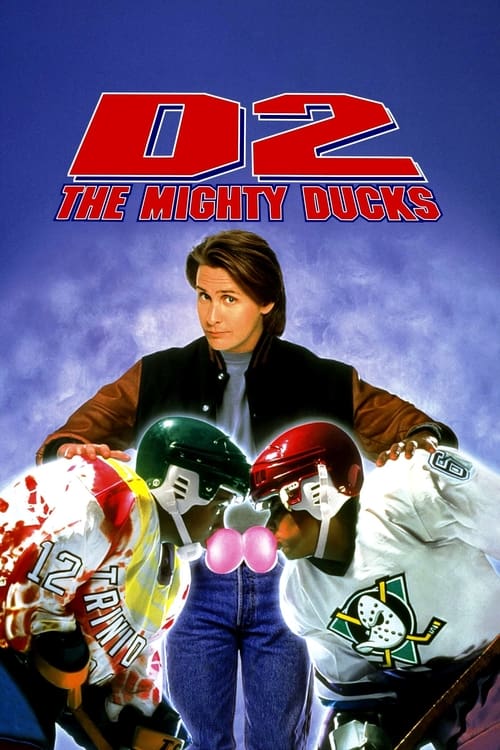
After Gordon Bombay's hockey comeback is cut short he is named coach of Team USA Hockey for the Junior Goodwill Games. Bombay reunites the Mighty Ducks and introduces a few new players, however, he finds himself distracted by his newfound fame and must regather if the Ducks are to defeat tournament favourites Iceland.
The film earned $45.6M at the global box office.


Plot Structure
Story beats plotted across runtime


Narrative Arc
Emotional journey through the story's key moments
Story Circle
Blueprint 15-beat structure
Arcplot Score Breakdown
Weighted: Precision (70%) + Arc (15%) + Theme (15%)
D2: The Mighty Ducks (1994) showcases precise narrative design, characteristic of Sam Weisman's storytelling approach. This structural analysis examines how the film's 15-point plot structure maps to proven narrative frameworks across 1 hour and 46 minutes. With an Arcplot score of 7.1, the film balances conventional beats with creative variation.
Characters
Cast & narrative archetypes

Gordon Bombay
Charlie Conway
Adam Banks
Julie Gaffney
Dean Portman
Luis Mendoza
Fulton Reed
Dwayne Robertson
Michele MacKay
Greg Goldberg
Main Cast & Characters
Gordon Bombay
Played by Emilio Estevez
Former Ducks coach now turned corporate lawyer, reluctantly returns to coach Team USA at the Junior Goodwill Games
Charlie Conway
Played by Joshua Jackson
Captain of the Ducks who struggles with his role and identity when new players join the team
Adam Banks
Played by Vincent Larusso
Skilled player who bridges the original Ducks and new Team USA members
Julie Gaffney
Played by Colombe Jacobsen-Derstine
Talented goalie from Maine who joins Team USA and challenges Charlie's friend for the starting position
Dean Portman
Played by Aaron Lohr
Tough enforcer from Chicago who becomes the defensive partner to Fulton Reed
Luis Mendoza
Played by Mike Vitar
Speed skater from Miami who can't stop, bringing flash and energy to Team USA
Fulton Reed
Played by Elden Henson
Power player with the hardest slapshot on the team, forms defensive duo with Portman
Dwayne Robertson
Played by Ty O'Neal
Lasso-wielding cowboy from Texas who brings Southern charm to the team
Michele MacKay
Played by Marguerite Moreau
Strong female player who represents the evolving diversity of the team
Greg Goldberg
Played by Shaun Weiss
The lovable, wise-cracking goalie and heart of the original Ducks
Structural Analysis
The Status Quo at 1 minutes (1% through the runtime) establishes Gordon Bombay is now a successful lawyer and minor celebrity, watching the Ducks play youth hockey while signing autographs. He has achieved professional success but remains disconnected from deeper purpose.. The analysis reveals that this early placement immediately immerses viewers in the story world.
The inciting incident occurs at 12 minutes when Don Tibbles arrives at Gordon's practice offering him the opportunity to coach Team USA at the Junior Goodwill Games. This external opportunity disrupts Gordon's comfortable status quo and presents a larger stage.. At 12% through the film, this Disruption aligns precisely with traditional story structure. This beat shifts the emotional landscape, launching the protagonist into the central conflict.
The First Threshold at 25 minutes marks the transition into Act II, occurring at 24% of the runtime. This reveals the protagonist's commitment to Team USA arrives in Los Angeles for the Junior Goodwill Games. Gordon and the team actively choose to enter this new international world, leaving Minnesota behind and committing to represent their country., moving from reaction to action.
At 52 minutes, the Midpoint arrives at 49% of the runtime—precisely centered, creating perfect narrative symmetry. Of particular interest, this crucial beat Team USA suffers a stunning loss to Iceland after Gordon's ego-driven coaching and the team's internal divisions reach a breaking point. This false defeat reveals that success requires more than talent—it requires unity and authentic leadership., fundamentally raising what's at risk. The emotional intensity shifts, dividing the narrative into clear before-and-after phases.
The Collapse moment at 76 minutes (72% through) represents the emotional nadir. Here, Jan removes Gordon as coach after his behavior becomes intolerable. Gordon loses his team, his purpose, and faces the death of his ego-driven approach. He must confront that his old mentor's win-at-all-costs philosophy has poisoned him., indicates the protagonist at their lowest point. This beat's placement in the final quarter sets up the climactic reversal.
The Second Threshold at 84 minutes initiates the final act resolution at 79% of the runtime. Gordon returns to the team with humility, apologizes, and refocuses on them rather than himself. He synthesizes his hockey knowledge with the lesson that it's about the kids, not his glory. The team accepts him back and unifies., demonstrating the transformation achieved throughout the journey.
Emotional Journey
D2: The Mighty Ducks's emotional architecture traces a deliberate progression across 15 carefully calibrated beats.
Narrative Framework
This structural analysis employs a 15-point narrative structure framework that maps key story moments. By mapping D2: The Mighty Ducks against these established plot points, we can identify how Sam Weisman utilizes or subverts traditional narrative conventions. The plot point approach reveals not only adherence to structural principles but also creative choices that distinguish D2: The Mighty Ducks within the comedy genre.
Sam Weisman's Structural Approach
Among the 5 Sam Weisman films analyzed on Arcplot, the average structural score is 7.2, reflecting strong command of classical structure. D2: The Mighty Ducks takes a more unconventional approach compared to the director's typical style. For comparative analysis, explore the complete Sam Weisman filmography.
Comparative Analysis
Additional comedy films include The Bad Guys, Ella Enchanted and The Evening Star. For more Sam Weisman analyses, see Dickie Roberts: Former Child Star, George of the Jungle and What's the Worst That Could Happen?.
Plot Points by Act
Act I
SetupStatus Quo
Gordon Bombay is now a successful lawyer and minor celebrity, watching the Ducks play youth hockey while signing autographs. He has achieved professional success but remains disconnected from deeper purpose.
Theme
Jan tells Gordon, "It's not about you anymore, Gordon. It's about them." This establishes the central theme: moving from self-centered glory to serving and elevating others.
Worldbuilding
Gordon's success contrasts with his old team. The Ducks have grown as players but face new challenges. We see Gordon's comfortable life, his relationship with the team, and the established community around youth hockey in Minnesota.
Disruption
Don Tibbles arrives at Gordon's practice offering him the opportunity to coach Team USA at the Junior Goodwill Games. This external opportunity disrupts Gordon's comfortable status quo and presents a larger stage.
Resistance
Gordon debates accepting, deals with sponsor expectations, selects his team (adding new talented players to the original Ducks), and begins training. Tension emerges between old Ducks and new recruits. Gordon struggles with commercial pressures versus authentic coaching.
Act II
ConfrontationFirst Threshold
Team USA arrives in Los Angeles for the Junior Goodwill Games. Gordon and the team actively choose to enter this new international world, leaving Minnesota behind and committing to represent their country.
Mirror World
Gordon meets Michele MacKay, the Team USA publicist who challenges his ego and reminds him of his responsibilities. She becomes the thematic mirror, representing authentic values versus commercial exploitation and personal glory.
Premise
The fun of international competition: opening ceremonies, meeting teams from around the world, playing games, exploring Los Angeles, team bonding moments. The Ducks experience success but Gordon becomes increasingly seduced by fame, endorsements, and media attention.
Midpoint
Team USA suffers a stunning loss to Iceland after Gordon's ego-driven coaching and the team's internal divisions reach a breaking point. This false defeat reveals that success requires more than talent—it requires unity and authentic leadership.
Opposition
Team fractures as old Ducks feel abandoned, new players resent favoritism, and Gordon spirals into selfish behavior. Sponsors pressure him, media criticizes the team, and Iceland's coach Wolf Stansson (Gordon's former coach) represents everything Gordon could become—winning without heart.
Collapse
Jan removes Gordon as coach after his behavior becomes intolerable. Gordon loses his team, his purpose, and faces the death of his ego-driven approach. He must confront that his old mentor's win-at-all-costs philosophy has poisoned him.
Crisis
Gordon reflects on his failures in conversations with Michele and Jan. The team struggles without him but also begins to unite. Gordon processes his dark night and realizes he must choose between glory and service, ego and team.
Act III
ResolutionSecond Threshold
Gordon returns to the team with humility, apologizes, and refocuses on them rather than himself. He synthesizes his hockey knowledge with the lesson that it's about the kids, not his glory. The team accepts him back and unifies.
Synthesis
The championship game against Iceland. Gordon coaches with wisdom and heart, empowering all players. The team executes the Flying V and other creative plays. In the final seconds, Gordon pulls the star player to give Charlie—heart of the original Ducks—the game-winning penalty shot, which he makes.
Transformation
Gordon celebrates with the team as equals, not as their celebrity coach. He has transformed from glory-seeking individual to servant leader. The Ducks—old and new—are unified. Gordon chooses the team photograph over media attention, embodying "it's about them."