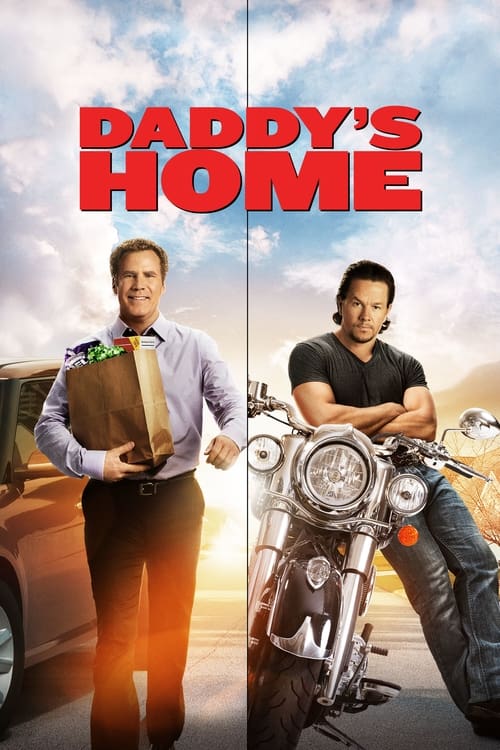
Daddy's Home
The story of a mild-mannered radio executive who strives to become the best stepdad ever to his wife's two children, but complications ensue when their freewheeling, freeloading real father arrives, forcing stepdad to compete for the affection of the kids.
Despite a moderate budget of $50.0M, Daddy's Home became a commercial success, earning $242.8M worldwide—a 386% return.
1 win & 4 nominations


Plot Structure
Story beats plotted across runtime


Narrative Arc
Emotional journey through the story's key moments
Story Circle
Blueprint 15-beat structure
Arcplot Score Breakdown
Weighted: Precision (70%) + Arc (15%) + Theme (15%)
Daddy's Home (2015) exhibits strategically placed narrative design, characteristic of Sean Anders's storytelling approach. This structural analysis examines how the film's 15-point plot structure maps to proven narrative frameworks across 1 hour and 36 minutes. With an Arcplot score of 7.2, the film balances conventional beats with creative variation.
Characters
Cast & narrative archetypes

Brad Whitaker
Dusty Mayron
Sara Whitaker
Megan Mayron
Dylan Mayron
Griff
Main Cast & Characters
Brad Whitaker
Played by Will Ferrell
A mild-mannered stepfather trying to earn the love and respect of his stepchildren, constantly undermined by their biological father's return.
Dusty Mayron
Played by Mark Wahlberg
The cool, athletic, motorcycle-riding biological father who returns to reclaim his place in his children's lives.
Sara Whitaker
Played by Linda Cardellini
Brad's wife and the biological mother of Megan and Dylan, caught between her husband and ex-husband.
Megan Mayron
Played by Scarlett Estevez
The older daughter who idolizes her biological father and struggles to accept Brad as a parental figure.
Dylan Mayron
Played by Owen Vaccaro
The young son who is sensitive and connects with Brad but is drawn to Dusty's masculine energy.
Griff
Played by Thomas Haden Church
Brad's crude, inappropriate boss at the radio station who gives terrible advice.
Structural Analysis
The Status Quo at 1 minutes (1% through the runtime) establishes Brad Whitaker, a mild-mannered radio exec, tries desperately to win the love of his stepkids Megan and Dylan, who call him "Brad" instead of "Dad." He's the perfect stepdad but lacks the kids' respect and affection.. Structural examination shows that this early placement immediately immerses viewers in the story world.
The inciting incident occurs at 11 minutes when Sara receives a call from Dusty Mayron, the kids' biological father, who suddenly wants back into their lives after years of absence. Brad's perfect world is threatened.. At 12% through the film, this Disruption aligns precisely with traditional story structure. This beat shifts the emotional landscape, launching the protagonist into the central conflict.
The First Threshold at 24 minutes marks the transition into Act II, occurring at 25% of the runtime. This indicates the protagonist's commitment to Brad makes the fateful decision to invite Dusty to stay at their house, believing he can out-dad him and prove himself the better father. He enters the "competition" world., moving from reaction to action.
At 49 minutes, the Midpoint arrives at 51% of the runtime—precisely centered, creating perfect narrative symmetry. Significantly, this crucial beat False victory: Brad successfully performs at the school talent show (riding a motorcycle despite his fears), and it seems like he's finally gaining the kids' respect. But the stakes secretly raise—Dusty is planning something bigger., fundamentally raising what's at risk. The emotional intensity shifts, dividing the narrative into clear before-and-after phases.
The Collapse moment at 70 minutes (73% through) represents the emotional nadir. Here, At the basketball game, Brad's final desperate attempt to be cool leads to catastrophic failure. He's physically injured, publicly humiliated, and overhears the kids say they wish Dusty was their dad. Brad's dream of being a father dies., reveals the protagonist at their lowest point. This beat's placement in the final quarter sets up the climactic reversal.
The Second Threshold at 75 minutes initiates the final act resolution at 78% of the runtime. Brad discovers the truth: Dusty has been sabotaging him and lying. Sara and the kids reveal they do love Brad. He realizes being a dad isn't about being cool—it's about being there (the theme). He gains clarity and resolve., demonstrating the transformation achieved throughout the journey.
Emotional Journey
Daddy's Home's emotional architecture traces a deliberate progression across 15 carefully calibrated beats.
Narrative Framework
This structural analysis employs proven narrative structure principles that track dramatic progression. By mapping Daddy's Home against these established plot points, we can identify how Sean Anders utilizes or subverts traditional narrative conventions. The plot point approach reveals not only adherence to structural principles but also creative choices that distinguish Daddy's Home within the comedy genre.
Sean Anders's Structural Approach
Among the 6 Sean Anders films analyzed on Arcplot, the average structural score is 7.3, reflecting strong command of classical structure. Daddy's Home takes a more unconventional approach compared to the director's typical style. For comparative analysis, explore the complete Sean Anders filmography.
Comparative Analysis
Additional comedy films include The Bad Guys, Ella Enchanted and The Evening Star. For more Sean Anders analyses, see Instant Family, Spirited and Daddy's Home 2.
Plot Points by Act
Act I
SetupStatus Quo
Brad Whitaker, a mild-mannered radio exec, tries desperately to win the love of his stepkids Megan and Dylan, who call him "Brad" instead of "Dad." He's the perfect stepdad but lacks the kids' respect and affection.
Theme
Brad's co-worker Griff tells him, "Being a father is about being there, not about being cool." This establishes the central thematic question: What makes a real dad?
Worldbuilding
Brad's overeager attempts to bond with the kids through elaborate gestures and following parenting books. We meet his wife Sara, see his safe suburban life, and learn about the absent biological father Dusty.
Disruption
Sara receives a call from Dusty Mayron, the kids' biological father, who suddenly wants back into their lives after years of absence. Brad's perfect world is threatened.
Resistance
Brad debates whether to tell Sara about Dusty's arrival. He seeks advice from Leo (his boss) and tries to prepare for the inevitable confrontation. Dusty arrives—cool, masculine, motorcycle-riding—everything Brad is not.
Act II
ConfrontationFirst Threshold
Brad makes the fateful decision to invite Dusty to stay at their house, believing he can out-dad him and prove himself the better father. He enters the "competition" world.
Mirror World
Brad's relationship with Sara deepens as she expresses gratitude for his maturity in handling Dusty. She represents the thematic lesson: real love isn't about competition, it's about partnership and presence.
Premise
The "dad-off" begins in earnest. Dusty systematically outshines Brad: building a skateboard ramp, being the cool dad, winning the kids' affection. Brad tries increasingly desperate moves to compete, leading to escalating comedic chaos.
Midpoint
False victory: Brad successfully performs at the school talent show (riding a motorcycle despite his fears), and it seems like he's finally gaining the kids' respect. But the stakes secretly raise—Dusty is planning something bigger.
Opposition
Dusty's manipulations intensify. He reveals he wants Sara back and schemes to undermine Brad at every turn. The fertility clinic revelation, workplace humiliations, and Brad's masculinity are all attacked. Brad's insecurities consume him.
Collapse
At the basketball game, Brad's final desperate attempt to be cool leads to catastrophic failure. He's physically injured, publicly humiliated, and overhears the kids say they wish Dusty was their dad. Brad's dream of being a father dies.
Crisis
Brad spirals into depression and self-doubt. He decides to give up and leave, believing the kids would be better off without him. His dark night of the soul: he was never meant to be a dad.
Act III
ResolutionSecond Threshold
Brad discovers the truth: Dusty has been sabotaging him and lying. Sara and the kids reveal they do love Brad. He realizes being a dad isn't about being cool—it's about being there (the theme). He gains clarity and resolve.
Synthesis
Brad confronts Dusty at the school assembly, exposing his manipulations. He asserts his role as the real father figure. Dusty has his own realization and growth. They reach an accord: co-parenting as partners, not competitors.
Transformation
Final image mirrors the opening: Brad with the kids, but now they call him "Dad." He's confident, no longer trying too hard. The family is whole, with both Brad and Dusty in healthy roles. Brad has become the father he needed to be.