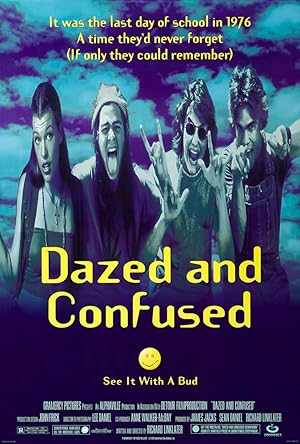
Dazed and Confused
It's the last day of school at a high school in a small town in Texas in 1976. The upperclassmen are hazing the incoming freshmen, and everyone is trying to get stoned, drunk, or laid, even the football players that signed a pledge not to.
Working with a tight budget of $6.9M, the film achieved a respectable showing with $8.3M in global revenue (+20% profit margin).
1 win & 4 nominations


Plot Structure
Story beats plotted across runtime


Narrative Arc
Emotional journey through the story's key moments
Story Circle
Blueprint 15-beat structure
Arcplot Score Breakdown
Weighted: Precision (70%) + Arc (15%) + Theme (15%)
Dazed and Confused (1993) exemplifies strategically placed narrative design, characteristic of Richard Linklater's storytelling approach. This structural analysis examines how the film's 15-point plot structure maps to proven narrative frameworks across 1 hour and 42 minutes. With an Arcplot score of 7.3, the film balances conventional beats with creative variation.
Characters
Cast & narrative archetypes

Randall "Pink" Floyd
Mitch Kramer
David Wooderson
Don Dawson
Ron Slater
Sabrina Davis
Tony Olson
Cynthia Dunn
Darla Marks
Simone Kerr
Mike Newhouse
Main Cast & Characters
Randall "Pink" Floyd
Played by Jason London
Star quarterback torn between social conformity and personal freedom, refusing to sign the anti-drug pledge.
Mitch Kramer
Played by Wiley Wiggins
Incoming freshman trying to survive hazing while navigating the transition to high school.
David Wooderson
Played by Matthew McConaughey
Post-graduate slacker who still hangs around high schoolers, living by the motto "alright, alright, alright."
Don Dawson
Played by Sasha Jenson
Eager incoming freshman who enthusiastically embraces the hazing rituals and social dynamics.
Ron Slater
Played by Rory Cochrane
Laid-back stoner with a philosophical outlook on life and authority.
Sabrina Davis
Played by Christin Hinojosa
Intellectual freshman girl who observes high school social hierarchies with detached analysis.
Tony Olson
Played by Anthony Rapp
Sadistic senior who takes particular pleasure in hazing freshmen boys.
Cynthia Dunn
Played by Marissa Ribisi
Outgoing party girl who bridges different social groups with enthusiasm.
Darla Marks
Played by Parker Posey
Senior girl who leads the hazing of freshman girls with vindictive energy.
Simone Kerr
Played by Joey Lauren Adams
Free-spirited senior girl who participates in hazing but shows moments of conscience.
Mike Newhouse
Played by Adam Goldberg
Nerdy freshman who survives hazing through humor and resilience.
Structural Analysis
The Status Quo at 1 minutes (1% through the runtime) establishes Establishing shots of the high school parking lot and students arriving for the last day of school, 1976. The ritual of the last day is about to begin, with seniors preparing to haze incoming freshmen.. Notably, this early placement immediately immerses viewers in the story world.
The inciting incident occurs at 13 minutes when School ends and the hazing begins. Freshmen girls are paddled by senior girls; freshman boys flee from senior boys with paddles. The summer has officially begun, but it starts with ritual violence and humiliation.. At 12% through the film, this Disruption aligns precisely with traditional story structure. This beat shifts the emotional landscape, launching the protagonist into the central conflict.
The First Threshold at 26 minutes marks the transition into Act II, occurring at 26% of the runtime. This indicates the protagonist's commitment to Pink decides not to sign the pledge and joins his friends for the night's adventures. He chooses freedom and his friends over football authority. The party night officially begins., moving from reaction to action.
At 53 minutes, the Midpoint arrives at 52% of the runtime—precisely centered, creating perfect narrative symmetry. Of particular interest, this crucial beat The moon tower party is announced and the group gets the kegs. The night's ultimate destination is confirmed—everything is building toward this gathering. False victory: the perfect party seems guaranteed., fundamentally raising what's at risk. The emotional intensity shifts, dividing the narrative into clear before-and-after phases.
The Collapse moment at 76 minutes (74% through) represents the emotional nadir. Here, Pink's girlfriend Simone confronts him about commitment; the coach's deadline looms. Mike's bullying escalates into real violence. The innocence of the evening cracks—these aren't just games anymore., indicates the protagonist at their lowest point. This beat's placement in the final quarter sets up the climactic reversal.
The Second Threshold at 82 minutes initiates the final act resolution at 80% of the runtime. Pink definitively rejects the pledge and the pressure to conform. He chooses authenticity over authority. The group decides to go get Aerosmith tickets in Houston—a spontaneous choice to extend the freedom., demonstrating the transformation achieved throughout the journey.
Emotional Journey
Dazed and Confused's emotional architecture traces a deliberate progression across 15 carefully calibrated beats.
Narrative Framework
This structural analysis employs structural analysis methodology used to understand storytelling architecture. By mapping Dazed and Confused against these established plot points, we can identify how Richard Linklater utilizes or subverts traditional narrative conventions. The plot point approach reveals not only adherence to structural principles but also creative choices that distinguish Dazed and Confused within the comedy genre.
Richard Linklater's Structural Approach
Among the 10 Richard Linklater films analyzed on Arcplot, the average structural score is 6.0, demonstrating varied approaches to story architecture. Dazed and Confused represents one of the director's most structurally precise works. For comparative analysis, explore the complete Richard Linklater filmography.
Comparative Analysis
Additional comedy films include The Bad Guys, Ella Enchanted and The Evening Star. For more Richard Linklater analyses, see Hit Man, Before Sunrise and Boyhood.
Plot Points by Act
Act I
SetupStatus Quo
Establishing shots of the high school parking lot and students arriving for the last day of school, 1976. The ritual of the last day is about to begin, with seniors preparing to haze incoming freshmen.
Theme
Wooderson delivers the film's thesis: "That's what I love about these high school girls, man. I keep getting older, they stay the same age." The theme of arrested development and refusing to move forward into adulthood is established.
Worldbuilding
Introduction to the ensemble cast and social hierarchy. We meet Pink, the football star; Mitch, the incoming freshman; the stoners; the nerds. The hazing tradition is explained, and the pressure on Pink to sign the no-drugs pledge is introduced.
Disruption
School ends and the hazing begins. Freshmen girls are paddled by senior girls; freshman boys flee from senior boys with paddles. The summer has officially begun, but it starts with ritual violence and humiliation.
Resistance
The hazing intensifies. Mitch gets paddled. Pink debates whether to sign Coach's pledge. Different groups make plans for the night. The characters navigate their social world and contemplate their choices.
Act II
ConfrontationFirst Threshold
Pink decides not to sign the pledge and joins his friends for the night's adventures. He chooses freedom and his friends over football authority. The party night officially begins.
Mirror World
Mitch is accepted into the older kids' group. The freshman meets Wooderson, who represents what happens when you never leave this world—the cautionary mirror of arrested development.
Premise
The promise of the premise: cruising, drinking, smoking, flirting, and hanging out. The Emporium gathering, driving around town, searching for the keg, the baseball field scene. Pure teenage summer night freedom.
Midpoint
The moon tower party is announced and the group gets the kegs. The night's ultimate destination is confirmed—everything is building toward this gathering. False victory: the perfect party seems guaranteed.
Opposition
Complications arise: parents interfere, the first moon tower party gets busted, Mike and Tony harass the freshmen, romantic tensions build, and the pressure on Pink about the pledge intensifies. The carefree night faces obstacles.
Collapse
Pink's girlfriend Simone confronts him about commitment; the coach's deadline looms. Mike's bullying escalates into real violence. The innocence of the evening cracks—these aren't just games anymore.
Crisis
Pink contemplates his choice about football and his future. Characters pair off and have honest conversations about what comes next. The party continues but with an undercurrent of uncertainty about the future.
Act III
ResolutionSecond Threshold
Pink definitively rejects the pledge and the pressure to conform. He chooses authenticity over authority. The group decides to go get Aerosmith tickets in Houston—a spontaneous choice to extend the freedom.
Synthesis
The moon tower party in full swing. Mitch smokes his first joint. Romantic connections are made. The freshmen are accepted. Pink and his friends leave for Houston, extending the night and delaying adulthood one more day.
Transformation
Dawn breaks as the group drives to Houston. Mitch smiles, having survived his initiation. Pink has chosen freedom. The mirror to the opening: same kids, same town, but they've claimed agency over their lives, even if just for one night.