
Death Race 2000
In the year 2000--against the backdrop of social turmoil, political unrest, and rampant anarchy--a now-totalitarian United States of America supports a brutal annual event to pacify the masses: the infamous Transcontinental Road Race. Scoring points simply by running over unsuspecting pedestrians, the national champion driver, Frankenstein, has to race against fast contestants such as the beautiful cowgirl killer, Calamity Jane; the neo-Nazi, Matilda the Hun; the Roman gladiator, Nero the Hero, and, first and foremost, the Chicago thug and ambitious challenger, Machine Gun Joe. Who will score the most points in the violent Death Race 2000?
Despite its extremely modest budget of $300K, Death Race 2000 became a box office phenomenon, earning $8.0M worldwide—a remarkable 2567% return. The film's unique voice resonated with audiences, confirming that strong storytelling can transcend budget limitations.


Plot Structure
Story beats plotted across runtime


Narrative Arc
Emotional journey through the story's key moments
Story Circle
Blueprint 15-beat structure
Arcplot Score Breakdown
Weighted: Precision (70%) + Arc (15%) + Theme (15%)
Death Race 2000 (1975) reveals strategically placed story structure, characteristic of Paul Bartel's storytelling approach. This structural analysis examines how the film's 15-point plot structure maps to proven narrative frameworks across 1 hour and 20 minutes. With an Arcplot score of 6.7, the film balances conventional beats with creative variation.
Characters
Cast & narrative archetypes
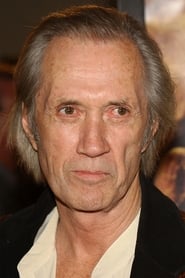
Frankenstein

Annie Smith
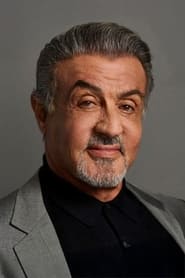
Machine Gun Joe Viterbo

Matilda the Hun

Calamity Jane

Nero the Hero
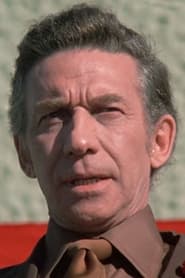
Mr. President
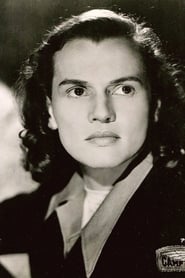
Thomasina Paine
Main Cast & Characters
Frankenstein
Played by David Carradine
The reigning champion and most ruthless racer in the Transcontinental Road Race, known for his black costume and mysterious persona.
Annie Smith
Played by Simone Griffeth
A resistance spy who becomes Frankenstein's navigator, torn between her mission to assassinate him and her growing feelings.
Machine Gun Joe Viterbo
Played by Sylvester Stallone
Frankenstein's main rival, a volatile and aggressive racer who desperately wants to win and dethrone the champion.
Matilda the Hun
Played by Roberta Collins
A tough Nazi-themed racer with a ruthless attitude and fierce competitive streak.
Calamity Jane
Played by Mary Woronov
A cowgirl-themed racer known for her wild personality and aggressive driving style.
Nero the Hero
Played by Martin Kove
A Roman gladiator-themed racer with a theatrical flair and love for the spectacle of the race.
Mr. President
Played by Sandy McCallum
The authoritarian leader of the United Provinces who uses the race as propaganda to control the population.
Thomasina Paine
Played by Harriet Medin
The leader of the resistance movement working to stop the Death Race and overthrow the totalitarian government.
Structural Analysis
The Status Quo at 1 minutes (1% through the runtime) establishes Opening montage establishes the dystopian future of 2000 where the Transcontinental Road Race is the nation's most popular sport, with points awarded for running over pedestrians. Frankenstein is introduced as the legendary three-time champion.. Significantly, this early placement immediately immerses viewers in the story world.
The inciting incident occurs at 10 minutes when Annie Smith is assigned as Frankenstein's new navigator, replacing his injured previous navigator. Unknown to Frankenstein, she is a resistance agent sent to assassinate him during the race to destroy the regime's symbol of control.. At 13% through the film, this Disruption is delayed, allowing extended setup of the story world. This beat shifts the emotional landscape, launching the protagonist into the central conflict.
The First Threshold at 19 minutes marks the transition into Act II, occurring at 24% of the runtime. This illustrates the protagonist's commitment to Frankenstein consciously chooses to trust Annie despite suspicious circumstances, fully committing to the partnership. Simultaneously, the race escalates into full deadly spectacle as racers actively hunt pedestrians for points., moving from reaction to action.
At 40 minutes, the Midpoint arrives at 50% of the runtime—precisely centered, creating perfect narrative symmetry. Notably, this crucial beat Frankenstein takes the lead in the race and appears poised for his fourth championship. However, Annie discovers evidence that Frankenstein may actually be working against the regime—a false victory as she realizes her mission may be targeting the wrong person., fundamentally raising what's at risk. The emotional intensity shifts, dividing the narrative into clear before-and-after phases.
The Collapse moment at 61 minutes (76% through) represents the emotional nadir. Here, Frankenstein is critically injured in a crash orchestrated by the regime or rival racers. Annie believes he is dead or dying. The hero who might have challenged the regime appears destroyed, and the resistance plan seems to have failed., illustrates the protagonist at their lowest point. This beat's placement in the final quarter sets up the climactic reversal.
The Second Threshold at 64 minutes initiates the final act resolution at 79% of the runtime. Frankenstein survives and reveals his true plan: to win the race and use the victory platform to assassinate Mr. President himself, destroying the regime from within. Annie fully commits to helping him, synthesizing resistance tactics with his insider position., demonstrating the transformation achieved throughout the journey.
Emotional Journey
Death Race 2000's emotional architecture traces a deliberate progression across 15 carefully calibrated beats.
Narrative Framework
This structural analysis employs structural analysis methodology used to understand storytelling architecture. By mapping Death Race 2000 against these established plot points, we can identify how Paul Bartel utilizes or subverts traditional narrative conventions. The plot point approach reveals not only adherence to structural principles but also creative choices that distinguish Death Race 2000 within the action genre.
Comparative Analysis
Additional action films include The Bad Guys, Puss in Boots and Venom: The Last Dance.
Plot Points by Act
Act I
SetupStatus Quo
Opening montage establishes the dystopian future of 2000 where the Transcontinental Road Race is the nation's most popular sport, with points awarded for running over pedestrians. Frankenstein is introduced as the legendary three-time champion.
Theme
A race announcer or official states that the race keeps the population pacified and entertained, hinting at the bread-and-circuses control mechanism of the totalitarian government—the core theme of spectacle as oppression.
Worldbuilding
Introduction of all five racers and their navigators, the point system for killing pedestrians (extra points for elderly and children), the media circus around the race, and the establishment of the totalitarian regime that uses the race to control the masses.
Disruption
Annie Smith is assigned as Frankenstein's new navigator, replacing his injured previous navigator. Unknown to Frankenstein, she is a resistance agent sent to assassinate him during the race to destroy the regime's symbol of control.
Resistance
The race begins. Frankenstein and Annie navigate their uneasy partnership while the resistance plans their sabotage. The other racers engage in deadly competition. Annie wrestles with her mission while getting to know Frankenstein.
Act II
ConfrontationFirst Threshold
Frankenstein consciously chooses to trust Annie despite suspicious circumstances, fully committing to the partnership. Simultaneously, the race escalates into full deadly spectacle as racers actively hunt pedestrians for points.
Mirror World
Annie and Frankenstein share a personal moment where she begins to see him as human rather than a symbol. He reveals his humanity beneath the mask and costume, complicating her assassination mission.
Premise
The transcontinental race in full swing—outrageous vehicular combat, pedestrian hunting, media coverage, sabotage attempts by the resistance, rivalries between racers (especially Machine Gun Joe vs. Frankenstein), and mounting casualties. The promise of dystopian death race spectacle.
Midpoint
Frankenstein takes the lead in the race and appears poised for his fourth championship. However, Annie discovers evidence that Frankenstein may actually be working against the regime—a false victory as she realizes her mission may be targeting the wrong person.
Opposition
The regime and rival racers intensify efforts to control/stop Frankenstein. Machine Gun Joe becomes more aggressive. The resistance doubts Annie. The government reveals willingness to sacrifice anyone to maintain the spectacle. Annie and Frankenstein's bond deepens even as external pressure mounts.
Collapse
Frankenstein is critically injured in a crash orchestrated by the regime or rival racers. Annie believes he is dead or dying. The hero who might have challenged the regime appears destroyed, and the resistance plan seems to have failed.
Crisis
Annie faces the darkness of her choices and the seeming futility of resistance. Frankenstein fights for survival. The regime prepares to celebrate another successful race as a tool of oppression.
Act III
ResolutionSecond Threshold
Frankenstein survives and reveals his true plan: to win the race and use the victory platform to assassinate Mr. President himself, destroying the regime from within. Annie fully commits to helping him, synthesizing resistance tactics with his insider position.
Synthesis
Frankenstein and Annie race to the finish line at the New United States Capitol. They fend off final attacks from Machine Gun Joe and regime forces. Frankenstein crosses the finish line and executes the plan, driving his car directly into Mr. President during the awards ceremony, killing him.
Transformation
Frankenstein and Annie address the crowd, declaring the end of the death race and the tyrannical regime. The iconic champion has transformed from symbol of oppression to liberator, with Annie beside him—humanity has defeated spectacle.