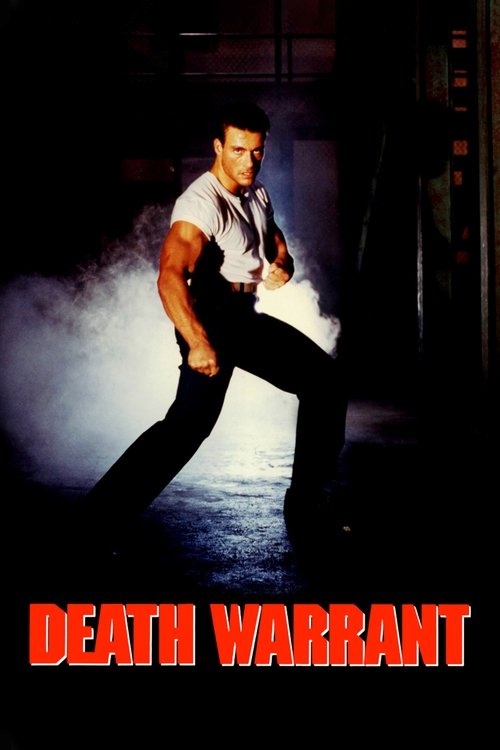
Death Warrant
Canadian policeman Louis Burke is assigned in a jail to investigate the murders of prisoners and jailors. While there, Louis, using his outstanding martial arts skills, is able to save his life and make himself respected in this violent world.
Despite its limited budget of $4.0M, Death Warrant became a financial success, earning $16.9M worldwide—a 321% return. The film's fresh perspective found its audience, illustrating how strong storytelling can transcend budget limitations.


Plot Structure
Story beats plotted across runtime


Narrative Arc
Emotional journey through the story's key moments
Story Circle
Blueprint 15-beat structure
Arcplot Score Breakdown
Weighted: Precision (70%) + Arc (15%) + Theme (15%)
Death Warrant (1990) demonstrates deliberately positioned narrative architecture, characteristic of Deran Sarafian's storytelling approach. This structural analysis examines how the film's 15-point plot structure maps to proven narrative frameworks across 1 hour and 29 minutes. With an Arcplot score of 7.7, the film showcases strong structural fundamentals.
Characters
Cast & narrative archetypes

Louis Burke
Amanda Beckett
Christian 'The Sandman' Naylor
Hawkins
Tom Vogler
Sergeant DeGraf
Main Cast & Characters
Louis Burke
Played by Jean-Claude Van Damme
An undercover RCMP detective who infiltrates a prison to investigate mysterious inmate deaths
Amanda Beckett
Played by Cynthia Gibb
A dedicated lawyer who helps Burke from the outside and becomes romantically involved with him
Christian 'The Sandman' Naylor
Played by Patrick Kilpatrick
A dangerous serial killer and Burke's former nemesis now imprisoned in the same facility
Hawkins
Played by Art LaFleur
A brutal and corrupt prison guard who runs illegal operations inside the prison
Tom Vogler
Played by Robert Guillaume
The prison warden involved in the conspiracy behind the inmate murders
Sergeant DeGraf
Played by George Dickerson
Burke's police handler and supervisor who coordinates the undercover operation
Structural Analysis
The Status Quo at 1 minutes (1% through the runtime) establishes Detective Louis Burke successfully captures a dangerous criminal in a violent confrontation, establishing his effectiveness as a cop but also his tendency toward lone-wolf tactics.. Of particular interest, this early placement immediately immerses viewers in the story world.
The inciting incident occurs at 10 minutes when Burke is offered the undercover assignment to investigate the prison murders. The mission will require him to become an inmate, losing his identity and safety as a cop.. At 11% through the film, this Disruption aligns precisely with traditional story structure. This beat shifts the emotional landscape, launching the protagonist into the central conflict.
The First Threshold at 21 minutes marks the transition into Act II, occurring at 23% of the runtime. This indicates the protagonist's commitment to Burke actively chooses to enter Harrison State Prison undercover as a convicted cop-killer. The prison gates close behind him, and he enters a world where his badge means nothing., moving from reaction to action.
At 45 minutes, the Midpoint arrives at 50% of the runtime—precisely centered, creating perfect narrative symmetry. Notably, this crucial beat Burke discovers the true extent of the conspiracy: organ harvesting operations run by the prison administration. He realizes the danger is far greater than expected, and someone knows he's a cop. False defeat as his cover is compromised., fundamentally raising what's at risk. The emotional intensity shifts, dividing the narrative into clear before-and-after phases.
The Collapse moment at 65 minutes (73% through) represents the emotional nadir. Here, Hawkins is killed protecting Burke. The whiff of death arrives as Burke's only true friend in the prison dies, and Burke is left isolated, beaten, and seemingly without hope of survival or escape., illustrates the protagonist at their lowest point. This beat's placement in the final quarter sets up the climactic reversal.
The Second Threshold at 71 minutes initiates the final act resolution at 80% of the runtime. Amanda provides Burke with key evidence from the outside, and Burke rallies the remaining loyal inmates. Synthesis: he combines his cop skills with the lesson Hawkins taught him about trusting others., demonstrating the transformation achieved throughout the journey.
Emotional Journey
Death Warrant's emotional architecture traces a deliberate progression across 15 carefully calibrated beats.
Narrative Framework
This structural analysis employs structural analysis methodology used to understand storytelling architecture. By mapping Death Warrant against these established plot points, we can identify how Deran Sarafian utilizes or subverts traditional narrative conventions. The plot point approach reveals not only adherence to structural principles but also creative choices that distinguish Death Warrant within the action genre.
Comparative Analysis
Additional action films include The Bad Guys, Puss in Boots and Venom: The Last Dance.
Plot Points by Act
Act I
SetupStatus Quo
Detective Louis Burke successfully captures a dangerous criminal in a violent confrontation, establishing his effectiveness as a cop but also his tendency toward lone-wolf tactics.
Theme
Burke's superior warns him about trust and working alone: "You can't do everything by yourself." The theme of learning to trust others and accept help is stated.
Worldbuilding
Burke is introduced to the case of mysterious murders at Harrison State Prison. We learn about his skills, his isolation, and the dangerous assignment ahead. He meets attorney Amanda Beckett who will assist him.
Disruption
Burke is offered the undercover assignment to investigate the prison murders. The mission will require him to become an inmate, losing his identity and safety as a cop.
Resistance
Burke debates taking the assignment, prepares for going undercover, and receives briefings about the prison's dangers. He creates a cover identity and arranges to maintain contact with Amanda on the outside.
Act II
ConfrontationFirst Threshold
Burke actively chooses to enter Harrison State Prison undercover as a convicted cop-killer. The prison gates close behind him, and he enters a world where his badge means nothing.
Mirror World
Burke meets Hawkins, a fellow inmate who offers friendship and guidance. This relationship will teach Burke about trust and survival through cooperation rather than isolation.
Premise
Burke navigates prison life, survives brutal fights, investigates the mysterious murders, and uncovers clues about corruption. The prison action and investigation deliver on the premise of an undercover cop thriller.
Midpoint
Burke discovers the true extent of the conspiracy: organ harvesting operations run by the prison administration. He realizes the danger is far greater than expected, and someone knows he's a cop. False defeat as his cover is compromised.
Opposition
The Sandman, a mysterious killer from Burke's past, is revealed to be orchestrating the murders. Burke is hunted within the prison walls, his allies are threatened, and the corrupt forces close in on all sides.
Collapse
Hawkins is killed protecting Burke. The whiff of death arrives as Burke's only true friend in the prison dies, and Burke is left isolated, beaten, and seemingly without hope of survival or escape.
Crisis
Burke processes the loss of Hawkins and confronts his failure to trust and work with others. He realizes he must accept help and fight not just for the mission, but for the inmates being victimized.
Act III
ResolutionSecond Threshold
Amanda provides Burke with key evidence from the outside, and Burke rallies the remaining loyal inmates. Synthesis: he combines his cop skills with the lesson Hawkins taught him about trusting others.
Synthesis
Burke leads a prison uprising against the corrupt guards, fights through The Sandman's forces, exposes the organ harvesting operation, and confronts The Sandman in a brutal final showdown.
Transformation
Burke emerges from the prison victorious, having saved lives and destroyed the conspiracy. Unlike the opening lone-wolf image, he now stands with Amanda and acknowledges those who helped him, transformed into someone who can trust and work with others.