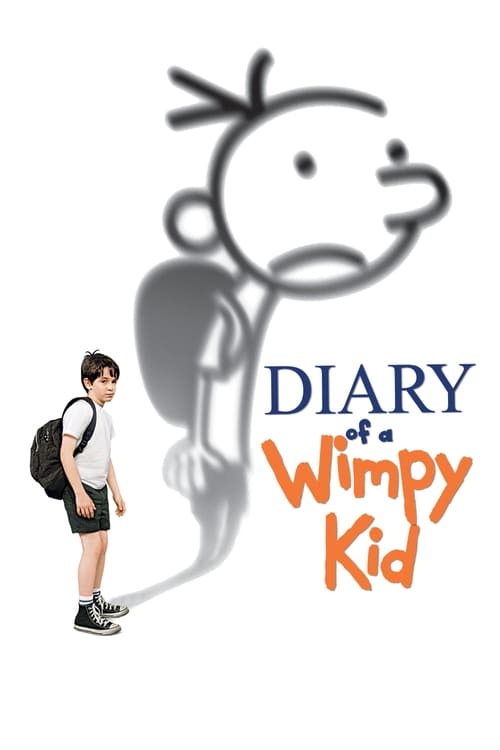
Diary of a Wimpy Kid
Greg Heffley is headed for big things, but first he has to survive the scariest, most humiliating experience of any kid’s life – middle school! That won’t be easy, considering he’s surrounded by hairy-freckled morons, wedgie-loving bullies and a moldy slice of cheese with nuclear cooties!
Despite a moderate budget of $15.0M, Diary of a Wimpy Kid became a financial success, earning $76.2M worldwide—a 408% return.
5 wins & 9 nominations


Plot Structure
Story beats plotted across runtime


Narrative Arc
Emotional journey through the story's key moments
Story Circle
Blueprint 15-beat structure
Arcplot Score Breakdown
Weighted: Precision (70%) + Arc (15%) + Theme (15%)
Diary of a Wimpy Kid (2010) reveals carefully calibrated dramatic framework, characteristic of Thor Freudenthal's storytelling approach. This structural analysis examines how the film's 15-point plot structure maps to proven narrative frameworks across 1 hour and 32 minutes. With an Arcplot score of 6.8, the film balances conventional beats with creative variation.
Characters
Cast & narrative archetypes

Greg Heffley
Rowley Jefferson
Rodrick Heffley
Angie Steadman
Fregley
Patty Farrell
Susan Heffley
Frank Heffley
Main Cast & Characters
Greg Heffley
Played by Zachary Gordon
A scrawny middle schooler obsessed with popularity who documents his misadventures in his "journal" (not diary). He navigates the social hierarchy while learning what true friendship means.
Rowley Jefferson
Played by Robert Capron
Greg's sweet, naive best friend who is genuinely kind-hearted but socially clueless. His innocence and loyalty contrast with Greg's social climbing.
Rodrick Heffley
Played by Devon Bostick
Greg's older brother and tormentor, a rebellious teenager in a rock band who constantly pranks and embarrasses Greg.
Angie Steadman
Played by Chloe Grace Moretz
An older student who befriends Greg and tries to guide him toward better values, serving as his conscience throughout the film.
Fregley
Played by Grayson Russell
The bizarre, socially awkward kid at school who becomes attached to Greg. His strange behavior makes him a social pariah.
Patty Farrell
Played by Laine MacNeil
Greg's nemesis and academic rival who constantly outperforms and embarrasses him, particularly as his partner in the school play.
Susan Heffley
Played by Rachael Harris
Greg's well-meaning mother who encourages him to be himself and make good choices, often embarrassing him with her earnest parenting.
Frank Heffley
Played by Steve Zahn
Greg's stern but fair father who tries to toughen Greg up and teach him practical life lessons about hard work and responsibility.
Structural Analysis
The Status Quo at 1 minutes (1% through the runtime) establishes Greg introduces himself and his mission to survive middle school and become popular, explaining his strategy to avoid being at the bottom of the social hierarchy.. Of particular interest, this early placement immediately immerses viewers in the story world.
The inciting incident occurs at 12 minutes when Greg witnesses the brutality of middle school social politics when he sees kids being humiliated and realizes his friendship with the uncool Rowley might be dragging him down.. At 13% through the film, this Disruption is delayed, allowing extended setup of the story world. This beat shifts the emotional landscape, launching the protagonist into the central conflict.
The First Threshold at 23 minutes marks the transition into Act II, occurring at 25% of the runtime. This reveals the protagonist's commitment to Greg actively chooses to pursue popularity by ditching Rowley and trying to join the popular kids, marking his entry into a world where he prioritizes status over authentic friendship., moving from reaction to action.
At 46 minutes, the Midpoint arrives at 50% of the runtime—precisely centered, creating perfect narrative symmetry. Significantly, this crucial beat Greg gets a false victory when he achieves some social status and recognition, possibly through a school event or social opportunity. Things seem to be working, but his friendship with Rowley is deteriorating., fundamentally raising what's at risk. The emotional intensity shifts, dividing the narrative into clear before-and-after phases.
The Collapse moment at 69 minutes (75% through) represents the emotional nadir. Here, Greg and Rowley have a major falling out. Their friendship appears to be destroyed, and Greg is left alone, having lost his best friend and failed to achieve real popularity. The "death" of their friendship., demonstrates the protagonist at their lowest point. This beat's placement in the final quarter sets up the climactic reversal.
The Second Threshold at 74 minutes initiates the final act resolution at 80% of the runtime. Greg realizes that authentic friendship with Rowley was more valuable than popularity. He gains clarity about what he truly needs and decides to make things right, combining his middle school survival skills with genuine values., demonstrating the transformation achieved throughout the journey.
Emotional Journey
Diary of a Wimpy Kid's emotional architecture traces a deliberate progression across 15 carefully calibrated beats.
Narrative Framework
This structural analysis employs systematic plot point analysis that identifies crucial turning points. By mapping Diary of a Wimpy Kid against these established plot points, we can identify how Thor Freudenthal utilizes or subverts traditional narrative conventions. The plot point approach reveals not only adherence to structural principles but also creative choices that distinguish Diary of a Wimpy Kid within the comedy genre.
Thor Freudenthal's Structural Approach
Among the 3 Thor Freudenthal films analyzed on Arcplot, the average structural score is 7.0, reflecting strong command of classical structure. Diary of a Wimpy Kid takes a more unconventional approach compared to the director's typical style. For comparative analysis, explore the complete Thor Freudenthal filmography.
Comparative Analysis
Additional comedy films include The Bad Guys, Ella Enchanted and The Evening Star. For more Thor Freudenthal analyses, see Percy Jackson: Sea of Monsters, Hotel for Dogs.
Plot Points by Act
Act I
SetupStatus Quo
Greg introduces himself and his mission to survive middle school and become popular, explaining his strategy to avoid being at the bottom of the social hierarchy.
Theme
Rowley innocently suggests they just be themselves and have fun. Greg dismisses this, establishing the thematic tension between authenticity and manufactured popularity.
Worldbuilding
Greg navigates the first days of middle school with best friend Rowley, explaining the social hierarchy, the popularity system, and his various schemes to climb the social ladder while avoiding the "Cheese Touch."
Disruption
Greg witnesses the brutality of middle school social politics when he sees kids being humiliated and realizes his friendship with the uncool Rowley might be dragging him down.
Resistance
Greg debates whether to distance himself from Rowley. He tries various schemes to get popular: joining wrestling, trying to hang with cool kids, and attempting to reinvent himself, but Rowley keeps inadvertently sabotaging his plans.
Act II
ConfrontationFirst Threshold
Greg actively chooses to pursue popularity by ditching Rowley and trying to join the popular kids, marking his entry into a world where he prioritizes status over authentic friendship.
Mirror World
Greg observes Rowley making new friends and having genuine fun without worrying about popularity, representing the thematic counterpoint: authentic happiness vs. manufactured status.
Premise
Greg experiences the "fun and games" of trying to be popular: attempting different schemes, getting small wins, dealing with his annoying older brother Rodrick, and navigating the complexities of middle school social dynamics.
Midpoint
Greg gets a false victory when he achieves some social status and recognition, possibly through a school event or social opportunity. Things seem to be working, but his friendship with Rowley is deteriorating.
Opposition
The consequences of Greg's choices mount. His schemes backfire, popular kids turn on him, his treatment of Rowley creates conflict, and he realizes the popular crowd isn't what he thought. Social pressures intensify.
Collapse
Greg and Rowley have a major falling out. Their friendship appears to be destroyed, and Greg is left alone, having lost his best friend and failed to achieve real popularity. The "death" of their friendship.
Crisis
Greg processes the loss of his friendship with Rowley and reflects on his choices. He faces the emptiness of his pursuit of popularity and confronts what really matters to him.
Act III
ResolutionSecond Threshold
Greg realizes that authentic friendship with Rowley was more valuable than popularity. He gains clarity about what he truly needs and decides to make things right, combining his middle school survival skills with genuine values.
Synthesis
Greg takes action to reconcile with Rowley, standing up for him publicly against the bullies and the Cheese Touch social pressure. He confronts the popularity system and chooses friendship over status in a climactic moment.
Transformation
Greg and Rowley are friends again, and Greg has learned to value authenticity over popularity. He's still himself but transformed, no longer willing to sacrifice real friendship for social status.