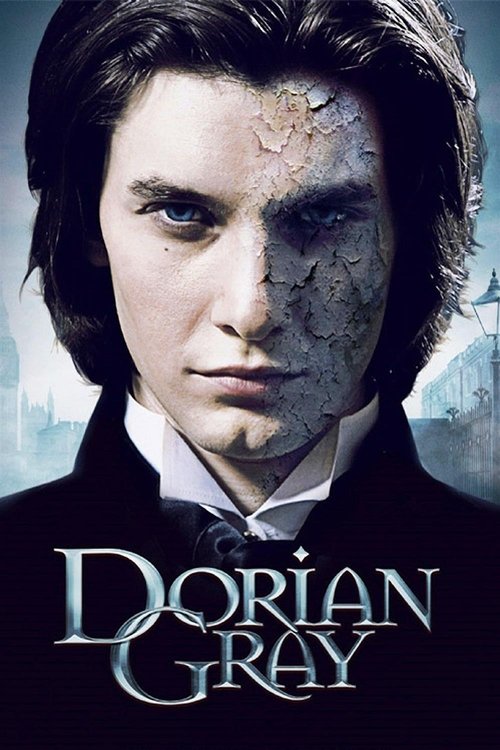
Dorian Gray
Seduced into the decadent world of Lord Henry Wotton, handsome young aristocrat Dorian Gray becomes obsessed with maintaining his youthful appearance, and commissions a special portrait that will weather the winds of time while he remains forever young. When Gray's obsession spirals out of control, his desperate attempts to safeguard his secret turn his once-privileged life into a living hell.
The film earned $4.7M at the global box office.


Plot Structure
Story beats plotted across runtime


Narrative Arc
Emotional journey through the story's key moments
Story Circle
Blueprint 15-beat structure
Arcplot Score Breakdown
Weighted: Precision (70%) + Arc (15%) + Theme (15%)
Dorian Gray (2009) exemplifies meticulously timed plot construction, characteristic of Oliver Parker's storytelling approach. This structural analysis examines how the film's 15-point plot structure maps to proven narrative frameworks across 1 hour and 52 minutes. With an Arcplot score of 7.1, the film balances conventional beats with creative variation.
Characters
Cast & narrative archetypes

Dorian Gray
Lord Henry Wotton
Basil Hallward
Emily Wotton
Sibyl Vane
Main Cast & Characters
Dorian Gray
Played by Ben Barnes
A young aristocrat who remains youthful while his portrait ages, becoming increasingly corrupt and hedonistic.
Lord Henry Wotton
Played by Colin Firth
A cynical aristocrat and mentor who corrupts Dorian with his hedonistic philosophy and witty nihilism.
Basil Hallward
Played by Ben Chaplin
The artist who paints Dorian's portrait and serves as his moral conscience, representing genuine friendship and integrity.
Emily Wotton
Played by Rebecca Hall
Lord Henry's daughter who falls in love with Dorian and represents potential redemption and genuine connection.
Sibyl Vane
Played by Rachel Hurd-Wood
A young actress whom Dorian loves for her artistry but cruelly abandons, triggering his moral descent.
Structural Analysis
The Status Quo at 1 minutes (1% through the runtime) establishes Young Dorian Gray arrives in London, innocent and beautiful, inheriting his grandfather's estate. He represents pure Victorian youth untouched by corruption.. Significantly, this early placement immediately immerses viewers in the story world.
The inciting incident occurs at 14 minutes when Dorian sees his completed portrait and, influenced by Lord Henry's philosophy, makes a Faustian wish: that the portrait would age instead of him, so he can remain young and beautiful forever.. At 13% through the film, this Disruption is delayed, allowing extended setup of the story world. This beat shifts the emotional landscape, launching the protagonist into the central conflict.
The First Threshold at 27 minutes marks the transition into Act II, occurring at 24% of the runtime. This illustrates the protagonist's commitment to Dorian cruelly rejects Sibyl after a poor performance, choosing vanity over love. She commits suicide. Dorian notices the first change in his portrait - a cruel smirk. He actively chooses Lord Henry's path of hedonism., moving from reaction to action.
At 56 minutes, the Midpoint arrives at 50% of the runtime—precisely centered, creating perfect narrative symmetry. Structural examination shows that this crucial beat Basil confronts Dorian about the rumors of his corrupting influence on society. Dorian shows Basil the hideous portrait. In rage, Dorian murders Basil - crossing from sin to irredeemable evil. False victory of total freedom becomes true darkness., fundamentally raising what's at risk. The emotional intensity shifts, dividing the narrative into clear before-and-after phases.
The Collapse moment at 84 minutes (75% through) represents the emotional nadir. Here, James Vane is accidentally killed while pursuing Dorian. Emily rejects Dorian with horror and disgust. Alan Campbell commits suicide. Everyone touched by Dorian experiences death or ruin - the "whiff of death" surrounds him completely., demonstrates the protagonist at their lowest point. This beat's placement in the final quarter sets up the climactic reversal.
The Second Threshold at 89 minutes initiates the final act resolution at 80% of the runtime. Dorian realizes the only way to end the curse and kill the conscience that tortures him is to destroy the portrait. He understands he must face his true self, even if it means his destruction., demonstrating the transformation achieved throughout the journey.
Emotional Journey
Dorian Gray's emotional architecture traces a deliberate progression across 15 carefully calibrated beats.
Narrative Framework
This structural analysis employs structural analysis methodology used to understand storytelling architecture. By mapping Dorian Gray against these established plot points, we can identify how Oliver Parker utilizes or subverts traditional narrative conventions. The plot point approach reveals not only adherence to structural principles but also creative choices that distinguish Dorian Gray within the fantasy genre.
Oliver Parker's Structural Approach
Among the 4 Oliver Parker films analyzed on Arcplot, the average structural score is 7.1, reflecting strong command of classical structure. Dorian Gray takes a more unconventional approach compared to the director's typical style. For comparative analysis, explore the complete Oliver Parker filmography.
Comparative Analysis
Additional fantasy films include Thinner, Ella Enchanted and Conan the Barbarian. For more Oliver Parker analyses, see An Ideal Husband, Johnny English Reborn and The Importance of Being Earnest.
Plot Points by Act
Act I
SetupStatus Quo
Young Dorian Gray arrives in London, innocent and beautiful, inheriting his grandfather's estate. He represents pure Victorian youth untouched by corruption.
Theme
Lord Henry Wotton states the film's theme: "The only way to resist temptation is to yield to it." He philosophizes about youth, beauty, and living for pleasure without consequence.
Worldbuilding
Dorian meets society figures including artist Basil Hallward and the hedonistic Lord Henry. Basil paints Dorian's portrait. The world of Victorian high society is established with its hidden decadence beneath propriety.
Disruption
Dorian sees his completed portrait and, influenced by Lord Henry's philosophy, makes a Faustian wish: that the portrait would age instead of him, so he can remain young and beautiful forever.
Resistance
Dorian falls in love with actress Sibyl Vane and becomes engaged. Lord Henry continues to corrupt Dorian with his philosophy of pleasure. Basil warns Dorian about Lord Henry's influence, acting as the moral guide.
Act II
ConfrontationFirst Threshold
Dorian cruelly rejects Sibyl after a poor performance, choosing vanity over love. She commits suicide. Dorian notices the first change in his portrait - a cruel smirk. He actively chooses Lord Henry's path of hedonism.
Mirror World
Dorian meets Emily Wotton, Lord Henry's daughter, who represents genuine connection and moral clarity. She becomes the thematic counterpoint to Lord Henry's corruption, offering redemption.
Premise
Dorian descends into decades of debauchery - opium dens, orgies, manipulation, and casual cruelty. The portrait ages and becomes grotesque while he remains young. The "fun and games" of consequence-free hedonism.
Midpoint
Basil confronts Dorian about the rumors of his corrupting influence on society. Dorian shows Basil the hideous portrait. In rage, Dorian murders Basil - crossing from sin to irredeemable evil. False victory of total freedom becomes true darkness.
Opposition
Dorian blackmails chemist Alan Campbell to dispose of Basil's body. James Vane, Sibyl's brother, hunts Dorian for revenge. Emily discovers Dorian's true nature. The past closes in as Dorian's sins accumulate consequences.
Collapse
James Vane is accidentally killed while pursuing Dorian. Emily rejects Dorian with horror and disgust. Alan Campbell commits suicide. Everyone touched by Dorian experiences death or ruin - the "whiff of death" surrounds him completely.
Crisis
Dorian confronts the full horror of what he has become. He looks at the monstrous portrait - a visual representation of his corrupted soul. He realizes he can never escape what he has done.
Act III
ResolutionSecond Threshold
Dorian realizes the only way to end the curse and kill the conscience that tortures him is to destroy the portrait. He understands he must face his true self, even if it means his destruction.
Synthesis
Dorian takes the knife he used to murder Basil and stabs the portrait. The supernatural curse reverses violently. The corruption transfers back to Dorian's physical body as the portrait restores to its original beauty.
Transformation
Servants find Dorian's corpse - ancient, withered, and hideous - beside the restored portrait of beautiful youth. The closing image mirrors the opening: beauty and innocence, but now only in art, while the man is dead and damned.