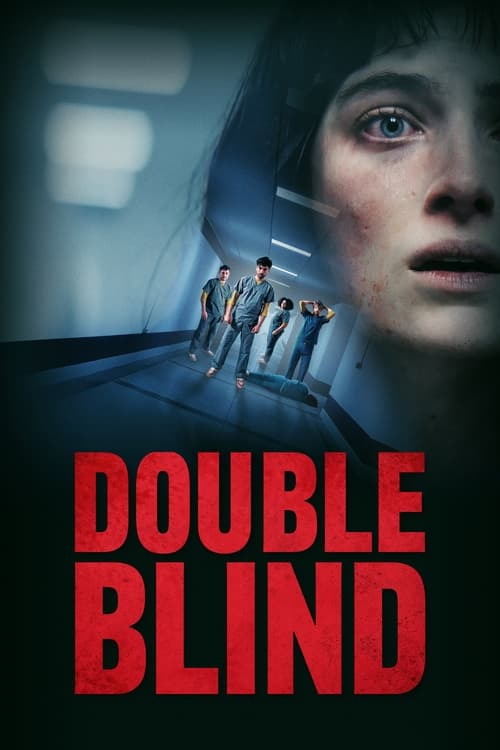


Plot Structure
Story beats plotted across runtime


Narrative Arc
Emotional journey through the story's key moments
Story Circle
Blueprint 15-beat structure
Structural Analysis
The Status Quo at 1 minutes (1% through the runtime) establishes Participants arrive at the isolated pharmaceutical facility for what they believe is a routine clinical drug trial, each motivated by the promised payment. Claire appears withdrawn and financially desperate.. The analysis reveals that this early placement immediately immerses viewers in the story world.
The inciting incident occurs at 11 minutes when A participant who fell asleep is discovered dead. The facility goes into lockdown, and the terrifying truth emerges: the experimental drug causes death if the subject falls asleep.. At 12% through the film, this Disruption aligns precisely with traditional story structure. This beat shifts the emotional landscape, launching the protagonist into the central conflict.
The First Threshold at 23 minutes marks the transition into Act II, occurring at 25% of the runtime. This indicates the protagonist's commitment to Claire and the survivors commit to staying awake and fighting for their lives after realizing the pharmaceutical company has no intention of saving them. They actively choose survival over passive compliance., moving from reaction to action.
At 45 minutes, the Midpoint arrives at 50% of the runtime—precisely centered, creating perfect narrative symmetry. Structural examination shows that this crucial beat False defeat: Another participant dies despite their efforts, and Claire discovers evidence that the pharmaceutical company knew the drug was lethal—this was never an accident. The stakes shift from survival to fighting a conspiracy., fundamentally raising what's at risk. The emotional intensity shifts, dividing the narrative into clear before-and-after phases.
The Collapse moment at 68 minutes (75% through) represents the emotional nadir. Here, Ray succumbs to sleep and dies in Claire's arms. The death of her ally represents the "whiff of death" and Claire's lowest moment—she nearly gives up, questioning if survival is even possible., reveals the protagonist at their lowest point. This beat's placement in the final quarter sets up the climactic reversal.
The Second Threshold at 72 minutes initiates the final act resolution at 80% of the runtime. Claire discovers that the drug's effects might be temporary—if she can survive until dawn, she might live. This new information synthesizes with her will to expose the truth, giving her purpose beyond mere survival., demonstrating the transformation achieved throughout the journey.
Emotional Journey
Double Blind's emotional architecture traces a deliberate progression across 15 carefully calibrated beats.
Narrative Framework
This structural analysis employs a 15-point narrative structure framework that maps key story moments. By mapping Double Blind against these established plot points, we can identify how Ian Hunt Duffy utilizes or subverts traditional narrative conventions. The plot point approach reveals not only adherence to structural principles but also creative choices that distinguish Double Blind within its genre.
Plot Points by Act
Act I
SetupStatus Quo
Participants arrive at the isolated pharmaceutical facility for what they believe is a routine clinical drug trial, each motivated by the promised payment. Claire appears withdrawn and financially desperate.
Theme
A researcher casually mentions during orientation that "we put a lot of trust in science without asking questions" - foreshadowing the deadly consequences of blind faith in pharmaceutical institutions.
Worldbuilding
The participants settle into the sterile facility, undergo medical screenings, and receive the experimental drug. We learn their backgrounds: Claire's financial troubles, the diverse group of strangers bound by economic necessity, and the clinical coldness of the corporate environment.
Disruption
A participant who fell asleep is discovered dead. The facility goes into lockdown, and the terrifying truth emerges: the experimental drug causes death if the subject falls asleep.
Resistance
Panic spreads as the group debates what to do. Dr. Burke and the pharmaceutical company attempt to contain the situation. The participants argue about escape versus waiting for help, while fighting their growing exhaustion.
Act II
ConfrontationFirst Threshold
Claire and the survivors commit to staying awake and fighting for their lives after realizing the pharmaceutical company has no intention of saving them. They actively choose survival over passive compliance.
Mirror World
Claire forms a genuine connection with fellow participant Ray, who becomes her ally. Their growing bond represents human connection and trust as counterpoint to the cold corporate betrayal surrounding them.
Premise
The promise of the premise unfolds: participants employ increasingly desperate measures to stay awake—pain, adrenaline, caffeine, conflict. The horror escalates as sleep-deprived minds begin hallucinating and turning on each other.
Midpoint
False defeat: Another participant dies despite their efforts, and Claire discovers evidence that the pharmaceutical company knew the drug was lethal—this was never an accident. The stakes shift from survival to fighting a conspiracy.
Opposition
The pharmaceutical company actively works to prevent survivors from escaping or exposing the truth. Paranoia and sleep deprivation cause violent conflicts among survivors. The body count rises as exhaustion becomes impossible to fight.
Collapse
Ray succumbs to sleep and dies in Claire's arms. The death of her ally represents the "whiff of death" and Claire's lowest moment—she nearly gives up, questioning if survival is even possible.
Crisis
Claire processes Ray's death alone, nearly surrendering to exhaustion. She sits in darkness, eyes flickering closed, wrestling with despair. The remaining survivors are scattered and broken.
Act III
ResolutionSecond Threshold
Claire discovers that the drug's effects might be temporary—if she can survive until dawn, she might live. This new information synthesizes with her will to expose the truth, giving her purpose beyond mere survival.
Synthesis
Claire fights through the final hours until dawn, confronting the pharmaceutical company's security and exposing their crimes. She secures evidence of the conspiracy and battles her way out of the facility as the sun rises.
Transformation
Claire emerges into daylight, transformed from a passive, desperate victim into a survivor who will ensure the truth is known. The closing image contrasts her arrival: no longer blindly trusting, now awakened in every sense.