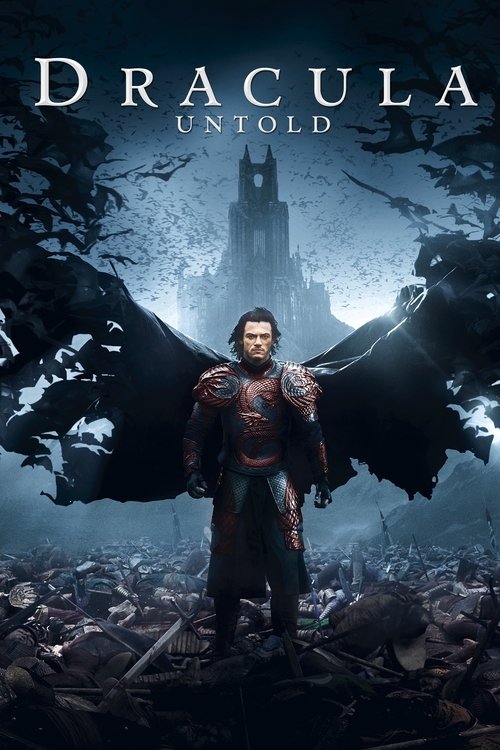
Dracula Untold
Vlad Tepes is a great hero, but when he learns the Sultan is preparing for battle and needs to form an army of 1,000 boys, he vows to find a way to protect his family. Vlad turns to dark forces in order to get the power to destroy his enemies and agrees to go from hero to monster as he's turned into the mythological vampire, Dracula.
Despite a mid-range budget of $70.0M, Dracula Untold became a commercial success, earning $217.1M worldwide—a 210% return.
3 wins & 5 nominations


Plot Structure
Story beats plotted across runtime


Narrative Arc
Emotional journey through the story's key moments
Story Circle
Blueprint 15-beat structure
Arcplot Score Breakdown
Weighted: Precision (70%) + Arc (15%) + Theme (15%)
Dracula Untold (2014) exhibits deliberately positioned dramatic framework, characteristic of Gary Shore's storytelling approach. This structural analysis examines how the film's 15-point plot structure maps to proven narrative frameworks across 1 hour and 32 minutes. With an Arcplot score of 7.1, the film balances conventional beats with creative variation.
Characters
Cast & narrative archetypes

Vlad Tepes
Master Vampire
Mirena
Mehmed II
Ingeras
Main Cast & Characters
Vlad Tepes
Played by Luke Evans
Prince of Transylvania who becomes a vampire to protect his kingdom from Turkish invasion. A reluctant hero forced into darkness.
Master Vampire
Played by Charles Dance
Ancient vampire imprisoned in Broken Tooth Mountain who offers Vlad dark power. Manipulative and enigmatic force of temptation.
Mirena
Played by Sarah Gadon
Vlad's devoted wife and princess of Transylvania. Represents his humanity and moral anchor throughout his transformation.
Mehmed II
Played by Dominic Cooper
Sultan of the Ottoman Empire and Vlad's former brother-in-arms. Now demands 1000 boys including Vlad's son as tribute.
Ingeras
Played by Art Parkinson
Vlad and Mirena's young son, whose safety drives Vlad's desperate bargain with the Master Vampire.
Structural Analysis
The Status Quo at 1 minutes (1% through the runtime) establishes Narration establishes Vlad's history as a child soldier taken by the Turks, now returned as prince of Transylvania, living peacefully with his wife Mirena and son Ingeras.. Significantly, this early placement immediately immerses viewers in the story world.
The inciting incident occurs at 12 minutes when Ottoman emissary Hamza Bey arrives demanding tribute: 1,000 boys for the Sultan's army, including Vlad's own son Ingeras. The peace Vlad built is shattered.. At 13% through the film, this Disruption is delayed, allowing extended setup of the story world. This beat shifts the emotional landscape, launching the protagonist into the central conflict.
The First Threshold at 24 minutes marks the transition into Act II, occurring at 26% of the runtime. This demonstrates the protagonist's commitment to Vlad drinks the Master Vampire's blood, making an irreversible choice. He will have the vampire's powers for three days; if he resists drinking human blood, he returns to normal—if not, he becomes a vampire forever., moving from reaction to action.
At 47 minutes, the Midpoint arrives at 51% of the runtime—precisely centered, creating perfect narrative symmetry. Significantly, this crucial beat After his stunning victory, Vlad's people celebrate him as a hero. False victory: he believes he can protect everyone without fully becoming a monster. But the Ottomans are regrouping and his time is running out., fundamentally raising what's at risk. The emotional intensity shifts, dividing the narrative into clear before-and-after phases.
The Collapse moment at 69 minutes (75% through) represents the emotional nadir. Here, Mirena falls from the castle tower during the Ottoman siege. Dying in Vlad's arms, she represents the death of his humanity and hope. The "whiff of death" becomes literal as his beloved wife perishes., illustrates the protagonist at their lowest point. This beat's placement in the final quarter sets up the climactic reversal.
The Second Threshold at 75 minutes initiates the final act resolution at 81% of the runtime. Mirena begs Vlad to drink her blood before she dies. He accepts his fate and drinks, fully embracing vampirism. He then creates an army of vampires from his fallen soldiers to fight the Ottomans., demonstrating the transformation achieved throughout the journey.
Emotional Journey
Dracula Untold's emotional architecture traces a deliberate progression across 15 carefully calibrated beats.
Narrative Framework
This structural analysis employs a 15-point narrative structure framework that maps key story moments. By mapping Dracula Untold against these established plot points, we can identify how Gary Shore utilizes or subverts traditional narrative conventions. The plot point approach reveals not only adherence to structural principles but also creative choices that distinguish Dracula Untold within the horror genre.
Comparative Analysis
Additional horror films include Thinner, A Nightmare on Elm Street and Mary Reilly.
Plot Points by Act
Act I
SetupStatus Quo
Narration establishes Vlad's history as a child soldier taken by the Turks, now returned as prince of Transylvania, living peacefully with his wife Mirena and son Ingeras.
Theme
Mirena asks Vlad about his past as "the Impaler," and he responds that men don't fear swords—they fear monsters. The theme is stated: sometimes one must become a monster to protect what matters.
Worldbuilding
We see Vlad's peaceful reign in Transylvania, his loving family, the uneasy truce with the Ottoman Empire, and discover the dark presence in Broken Tooth Mountain when scouts go missing.
Disruption
Ottoman emissary Hamza Bey arrives demanding tribute: 1,000 boys for the Sultan's army, including Vlad's own son Ingeras. The peace Vlad built is shattered.
Resistance
Vlad refuses to give up his son and kills the Ottoman soldiers. Knowing war is coming, he returns to Broken Tooth Mountain seeking the Master Vampire's power, debating whether to sacrifice his humanity.
Act II
ConfrontationFirst Threshold
Vlad drinks the Master Vampire's blood, making an irreversible choice. He will have the vampire's powers for three days; if he resists drinking human blood, he returns to normal—if not, he becomes a vampire forever.
Mirror World
Vlad returns to Mirena, who represents his humanity and the love worth fighting for. Their relationship becomes the emotional counterweight to his monstrous transformation—she sees him as a man, not a monster.
Premise
Vlad explores his new vampire abilities—superhuman strength, commanding bats, enhanced senses. He single-handedly decimates an Ottoman army of 1,000 soldiers, reveling in his power while fighting the thirst for blood.
Midpoint
After his stunning victory, Vlad's people celebrate him as a hero. False victory: he believes he can protect everyone without fully becoming a monster. But the Ottomans are regrouping and his time is running out.
Opposition
Sultan Mehmed sends a larger army. Vlad's people discover his dark powers and turn against him in fear. The silver-laced Ottoman forces counter his abilities. His three days are ending and the bloodlust grows unbearable.
Collapse
Mirena falls from the castle tower during the Ottoman siege. Dying in Vlad's arms, she represents the death of his humanity and hope. The "whiff of death" becomes literal as his beloved wife perishes.
Crisis
Vlad holds Mirena as she dies. His three days are up and his powers fade. He faces the impossible choice: let his son and people die, or drink Mirena's blood and become a vampire forever.
Act III
ResolutionSecond Threshold
Mirena begs Vlad to drink her blood before she dies. He accepts his fate and drinks, fully embracing vampirism. He then creates an army of vampires from his fallen soldiers to fight the Ottomans.
Synthesis
Vlad leads his vampire army against the Ottomans. He confronts Sultan Mehmed in a tent lined with silver coins, defeats him in single combat, and rescues his son Ingeras. He then sacrifices himself to the sun to save his people.
Transformation
Vlad is resurrected by his servant Shkelgim. Centuries later in modern day, he encounters a woman who resembles Mirena. The monster who sacrificed everything for love now walks eternally, with the Master Vampire watching from shadows.