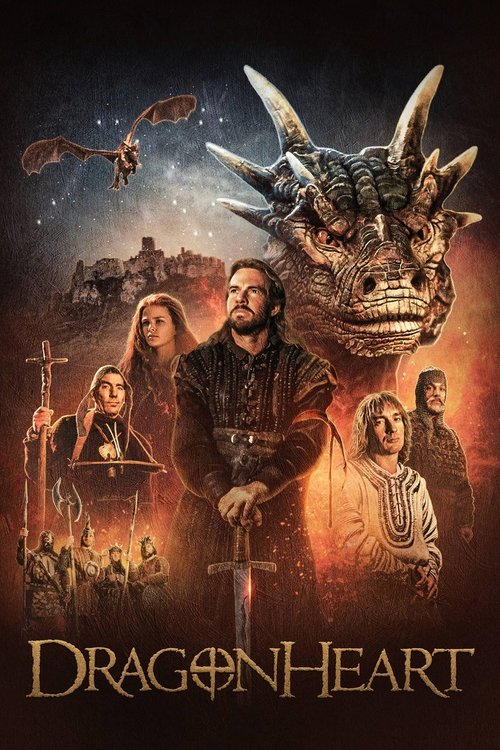
DragonHeart
In an ancient time when majestic fire-breathers soared through the skies, a knight named Bowen comes face to face and heart to heart with the last dragon on Earth, Draco. Taking up arms to suppress a tyrant king, Bowen soon realizes his task will be harder than he'd imagined: If he kills the king, Draco will die as well.
Despite a mid-range budget of $57.0M, DragonHeart became a box office success, earning $115.3M worldwide—a 102% return.
Nominated for 1 Oscar. 3 wins & 10 nominations


Plot Structure
Story beats plotted across runtime


Narrative Arc
Emotional journey through the story's key moments
Story Circle
Blueprint 15-beat structure
Arcplot Score Breakdown
Weighted: Precision (70%) + Arc (15%) + Theme (15%)
DragonHeart (1996) reveals strategically placed plot construction, characteristic of Rob Cohen's storytelling approach. This structural analysis examines how the film's 15-point plot structure maps to proven narrative frameworks across 1 hour and 43 minutes. With an Arcplot score of 6.7, the film balances conventional beats with creative variation.
Characters
Cast & narrative archetypes

Bowen
Draco
King Einon
Kara
Brother Gilbert
Queen Aislinn
Main Cast & Characters
Bowen
Played by Dennis Quaid
A disillusioned knight who once served the Old Code but becomes a dragon slayer after his former pupil becomes a tyrant.
Draco
Played by Sean Connery
The last dragon who shared his heart with Prince Einon, a noble creature seeking redemption and the chance to join his ancestors in the stars.
King Einon
Played by David Thewlis
A tyrannical king saved by dragon magic as a boy, who uses his extended life to brutally oppress his people.
Kara
Played by Dina Meyer
A brave peasant rebel who fights against King Einon's oppression and inspires Bowen to rediscover his purpose.
Brother Gilbert
Played by Pete Postlethwaite
An aspiring poet-monk who chronicles Bowen's adventures and provides comic relief while seeking to record heroic deeds.
Queen Aislinn
Played by Julie Christie
Einon's mother who made the fateful decision to have the dragon save her son, later regretting the monster he became.
Structural Analysis
The Status Quo at 1 minutes (1% through the runtime) establishes Knight Bowen recites the Old Code to young Prince Einon, teaching him the values of chivalry and honor. Bowen is idealistic, believing in the nobility of knighthood and the goodness he can instill in his pupil.. Structural examination shows that this early placement immediately immerses viewers in the story world.
The inciting incident occurs at 12 minutes when Twelve years later, Einon has become a tyrant worse than his father, brutalizing the peasants. Bowen discovers that the prince he mentored has betrayed everything the Old Code represents. His life's work has produced a monster.. At 12% through the film, this Disruption aligns precisely with traditional story structure. This beat shifts the emotional landscape, launching the protagonist into the central conflict.
The First Threshold at 26 minutes marks the transition into Act II, occurring at 25% of the runtime. This shows the protagonist's commitment to Bowen encounters the dragon Draco and they fight to a stalemate. Instead of fighting to the death, they make an active choice to form a partnership: Draco will terrorize villages, Bowen will "slay" him for payment, and they'll split the profits. Bowen enters a con-artist existence., moving from reaction to action.
At 52 minutes, the Midpoint arrives at 50% of the runtime—precisely centered, creating perfect narrative symmetry. The analysis reveals that this crucial beat Draco rallies the peasants and Bowen to fight against King Einon. They storm a castle and achieve a false victory—rescuing prisoners and striking a blow against tyranny. Bowen begins to rediscover his sense of purpose, but the stakes raise: Einon now knows they're coming for him., fundamentally raising what's at risk. The emotional intensity shifts, dividing the narrative into clear before-and-after phases.
The Collapse moment at 77 minutes (75% through) represents the emotional nadir. Here, Bowen furiously confronts Draco, feeling utterly betrayed. He nearly kills his only friend. The rebellion seems doomed, Einon is unstoppable as long as Draco lives, and Bowen faces the darkest realization: to defeat evil, he must sacrifice the good. The whiff of death—Bowen must kill what he loves., demonstrates the protagonist at their lowest point. This beat's placement in the final quarter sets up the climactic reversal.
The Second Threshold at 82 minutes initiates the final act resolution at 80% of the runtime. Bowen accepts the truth and what must be done. He reconciles with Draco, understanding that true honor requires sacrifice. Armed with this knowledge—the synthesis of his old idealism and hard-won wisdom—Bowen prepares for the final confrontation. He chooses the honorable path despite the cost., demonstrating the transformation achieved throughout the journey.
Emotional Journey
DragonHeart's emotional architecture traces a deliberate progression across 15 carefully calibrated beats.
Narrative Framework
This structural analysis employs proven narrative structure principles that track dramatic progression. By mapping DragonHeart against these established plot points, we can identify how Rob Cohen utilizes or subverts traditional narrative conventions. The plot point approach reveals not only adherence to structural principles but also creative choices that distinguish DragonHeart within the fantasy genre.
Rob Cohen's Structural Approach
Among the 11 Rob Cohen films analyzed on Arcplot, the average structural score is 7.2, reflecting strong command of classical structure. DragonHeart takes a more unconventional approach compared to the director's typical style. For comparative analysis, explore the complete Rob Cohen filmography.
Comparative Analysis
Additional fantasy films include Thinner, Ella Enchanted and Conan the Barbarian. For more Rob Cohen analyses, see The Hurricane Heist, Daylight and Stealth.
Plot Points by Act
Act I
SetupStatus Quo
Knight Bowen recites the Old Code to young Prince Einon, teaching him the values of chivalry and honor. Bowen is idealistic, believing in the nobility of knighthood and the goodness he can instill in his pupil.
Theme
Bowen speaks the Old Code: "A knight is sworn to valor. His heart knows only virtue. His blade defends the helpless. His might upholds the weak. His word speaks only truth." This thematic statement establishes the central question: What does true honor mean?
Worldbuilding
Medieval England under King Freyne's tyranny. Prince Einon is mortally wounded in a peasant rebellion. His desperate mother Queen Aislinn takes him to a dragon's cave, where the dragon Draco shares his heart to save Einon's life. Bowen believes this will make Einon noble.
Disruption
Twelve years later, Einon has become a tyrant worse than his father, brutalizing the peasants. Bowen discovers that the prince he mentored has betrayed everything the Old Code represents. His life's work has produced a monster.
Resistance
Bowen blames dragons for corrupting Einon's heart and vows to kill every dragon in existence. He becomes a cynical dragonslayer, traveling the countryside hunting dragons. He debates whether honor even exists anymore, having lost faith in everything he believed.
Act II
ConfrontationFirst Threshold
Bowen encounters the dragon Draco and they fight to a stalemate. Instead of fighting to the death, they make an active choice to form a partnership: Draco will terrorize villages, Bowen will "slay" him for payment, and they'll split the profits. Bowen enters a con-artist existence.
Mirror World
Draco reveals his nobility, poetry, and wit. He speaks of the stars and honor, embodying the very ideals Bowen has abandoned. Their friendship begins to grow. Draco becomes the mirror showing Bowen what true honor looks like—the theme made flesh.
Premise
The "dragon-slaying con" premise plays out. Bowen and Draco travel together, executing their scam while bantering and bonding. They encounter Brother Gilbert (a monk) and Kara (a rebel peasant). The group forms, with Draco inspiring them toward the old ideals of honor and rebellion against Einon.
Midpoint
Draco rallies the peasants and Bowen to fight against King Einon. They storm a castle and achieve a false victory—rescuing prisoners and striking a blow against tyranny. Bowen begins to rediscover his sense of purpose, but the stakes raise: Einon now knows they're coming for him.
Opposition
Einon strikes back with greater force. The rebellion suffers losses. Bowen learns the devastating truth: Draco is the dragon who gave Einon half his heart. They share one life—if Draco dies, so does Einon. Bowen's rage and sense of betrayal grow. His cynicism returns, threatening to destroy his newfound hope.
Collapse
Bowen furiously confronts Draco, feeling utterly betrayed. He nearly kills his only friend. The rebellion seems doomed, Einon is unstoppable as long as Draco lives, and Bowen faces the darkest realization: to defeat evil, he must sacrifice the good. The whiff of death—Bowen must kill what he loves.
Crisis
Bowen wrestles with the impossible choice. Draco reveals the truth: Einon's evil came from his own heart, not the dragon's. Draco has been waiting for a knight worthy enough to grant him death and end Einon's tyranny. Dark night of despair as Bowen processes what honor truly demands.
Act III
ResolutionSecond Threshold
Bowen accepts the truth and what must be done. He reconciles with Draco, understanding that true honor requires sacrifice. Armed with this knowledge—the synthesis of his old idealism and hard-won wisdom—Bowen prepares for the final confrontation. He chooses the honorable path despite the cost.
Synthesis
The finale: the rebels assault Einon's castle. Draco provides aerial support while Bowen fights through to confront Einon. In the throne room, Bowen battles the tyrant king. When Einon cannot be defeated in combat, Bowen makes the ultimate sacrifice: he grants Draco's wish and kills his friend to stop the evil.
Transformation
Draco dies and ascends to take his place among the stars as a constellation. Bowen, once a cynical broken knight, looks up with tears and renewed faith. He has been transformed—no longer the naive idealist or bitter cynic, but a true knight who understands that honor requires sacrifice. The Old Code lives in his heart.