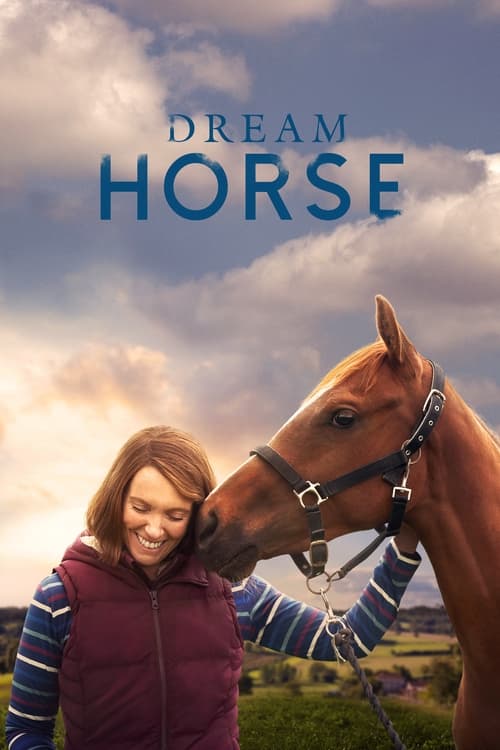
Dream Horse
The inspiring true story of Dream Alliance, an unlikely race horse bred by small town bartender, Jan Vokes. With very little money and no experience, Jan convinces her neighbors to chip in their meager earnings to help raise Dream and compete with the racing elites. Their investment pays off as Dream rises through the ranks and becomes a beacon of hope in their struggling community.
The film financial setback against its mid-range budget of $20.0M, earning $6.4M globally (-68% loss). While initial box office returns were modest, the film has gained appreciation for its bold vision within the comedy genre.
3 wins & 5 nominations


Plot Structure
Story beats plotted across runtime


Narrative Arc
Emotional journey through the story's key moments
Story Circle
Blueprint 15-beat structure
Arcplot Score Breakdown
Weighted: Precision (70%) + Arc (15%) + Theme (15%)
Dream Horse (2021) exemplifies precise narrative design, characteristic of Euros Lyn's storytelling approach. This structural analysis examines how the film's 15-point plot structure maps to proven narrative frameworks across 1 hour and 53 minutes. With an Arcplot score of 7.3, the film balances conventional beats with creative variation.
Characters
Cast & narrative archetypes

Jan Vokes
Howard Davies
Brian Vokes
Philip Hobbs
Dai Walters
Main Cast & Characters
Jan Vokes
Played by Toni Collette
A Welsh supermarket cashier and bartender who dreams of breeding a racehorse to escape her mundane life and bring excitement to her working-class community.
Howard Davies
Played by Damian Lewis
A former accountant and racing enthusiast who partners with Jan to manage the syndicate and navigate the complex world of horse racing.
Brian Vokes
Played by Owen Teale
Jan's supportive but initially skeptical husband who works long hours and gradually embraces her racehorse dream.
Philip Hobbs
Played by Nicholas Farrell
The professional horse trainer who takes on Dream Alliance and helps develop the unlikely champion despite initial doubts.
Dai Walters
Played by Steffan Rhodri
A wealthy businessman and rival racehorse owner who represents the elite establishment that Jan's syndicate challenges.
Structural Analysis
The Status Quo at 1 minutes (1% through the runtime) establishes Jan works two tedious jobs in the Welsh valleys - supermarket cashier and pub bartender. Her life is monotonous, grey, and lacking purpose or excitement.. Of particular interest, this early placement immediately immerses viewers in the story world.
The inciting incident occurs at 13 minutes when Jan has the bold idea: "Why don't we breed a racehorse?" This disrupts her mundane existence with a dream that seems impossible for someone of her means and background.. At 11% through the film, this Disruption aligns precisely with traditional story structure. This beat shifts the emotional landscape, launching the protagonist into the central conflict.
The First Threshold at 28 minutes marks the transition into Act II, occurring at 24% of the runtime. This indicates the protagonist's commitment to Dream Alliance is born. Jan and the syndicate commit fully to raising and training this foal. They cross from dreaming into doing, entering the world of horse racing as complete outsiders., moving from reaction to action.
At 56 minutes, the Midpoint arrives at 49% of the runtime—precisely centered, creating perfect narrative symmetry. Significantly, this crucial beat Dream Alliance wins a major race, proving he belongs among elite horses. False victory: they've "made it," but the biggest challenges and highest stakes are still ahead. The racing world takes notice., fundamentally raising what's at risk. The emotional intensity shifts, dividing the narrative into clear before-and-after phases.
The Collapse moment at 84 minutes (74% through) represents the emotional nadir. Here, Dream Alliance suffers a catastrophic injury during the Welsh Grand National. The vet recommends euthanasia. The dream literally faces death. Jan and the syndicate must confront losing everything they've built together., demonstrates the protagonist at their lowest point. This beat's placement in the final quarter sets up the climactic reversal.
The Second Threshold at 90 minutes initiates the final act resolution at 80% of the runtime. Dream Alliance survives surgery and begins recovery. Jan realizes it was never just about winning races - it's about community, hope, and proving ordinary people can do extraordinary things. Decision to bring him back to racing., demonstrating the transformation achieved throughout the journey.
Emotional Journey
Dream Horse's emotional architecture traces a deliberate progression across 15 carefully calibrated beats.
Narrative Framework
This structural analysis employs proven narrative structure principles that track dramatic progression. By mapping Dream Horse against these established plot points, we can identify how Euros Lyn utilizes or subverts traditional narrative conventions. The plot point approach reveals not only adherence to structural principles but also creative choices that distinguish Dream Horse within the comedy genre.
Comparative Analysis
Additional comedy films include The Bad Guys, Ella Enchanted and The Evening Star.
Plot Points by Act
Act I
SetupStatus Quo
Jan works two tedious jobs in the Welsh valleys - supermarket cashier and pub bartender. Her life is monotonous, grey, and lacking purpose or excitement.
Theme
Howard Davies mentions his past success breeding racehorses, planting the seed: "It's not about the money. It's about doing something remarkable." The theme of ordinary people achieving extraordinary things through community and determination.
Worldbuilding
Establishing Jan's working-class life in the post-industrial Welsh town. Her husband Brian's disability, their financial struggles, the closed-down mines, and the pub community. Howard talks about his past with horses.
Disruption
Jan has the bold idea: "Why don't we breed a racehorse?" This disrupts her mundane existence with a dream that seems impossible for someone of her means and background.
Resistance
Jan convinces Howard to help her. They recruit syndicate members from the pub and town, each contributing £10/week. Jan learns about horse breeding, buys a mare, and breeds her. Community debates whether this is foolish or worth pursuing.
Act II
ConfrontationFirst Threshold
Dream Alliance is born. Jan and the syndicate commit fully to raising and training this foal. They cross from dreaming into doing, entering the world of horse racing as complete outsiders.
Mirror World
The syndicate members bond over caring for Dream. This subplot embodies the film's theme: a working-class community united by shared purpose and hope, finding meaning beyond their difficult daily lives.
Premise
Dream Alliance grows and trains. Early races show promise. The syndicate experiences the thrill of race days, small victories, and being part of the racing world. The fun of seeing their impossible dream take shape.
Midpoint
Dream Alliance wins a major race, proving he belongs among elite horses. False victory: they've "made it," but the biggest challenges and highest stakes are still ahead. The racing world takes notice.
Opposition
Dream competes at higher levels. Pressure mounts: expensive training costs, syndicate tensions, the weight of expectations. Elite racing world looks down on working-class owners. Brian's health worsens. Stakes and costs rise relentlessly.
Collapse
Dream Alliance suffers a catastrophic injury during the Welsh Grand National. The vet recommends euthanasia. The dream literally faces death. Jan and the syndicate must confront losing everything they've built together.
Crisis
Jan refuses to give up on Dream. The syndicate pools resources for experimental surgery despite impossible odds and financial burden. Dark night of doubt: will he survive? Was this all for nothing? Processing potential loss.
Act III
ResolutionSecond Threshold
Dream Alliance survives surgery and begins recovery. Jan realizes it was never just about winning races - it's about community, hope, and proving ordinary people can do extraordinary things. Decision to bring him back to racing.
Synthesis
Dream's grueling rehabilitation. Syndicate rallies together. Dream returns to racing against all odds. Final race preparation. The community's journey toward their ultimate goal, unified and transformed by shared struggle.
Transformation
Jan watches Dream race one final time, but now she's transformed: confident, purposeful, surrounded by her community. Win or lose, they've already achieved something remarkable together. The grey mundane life is gone.