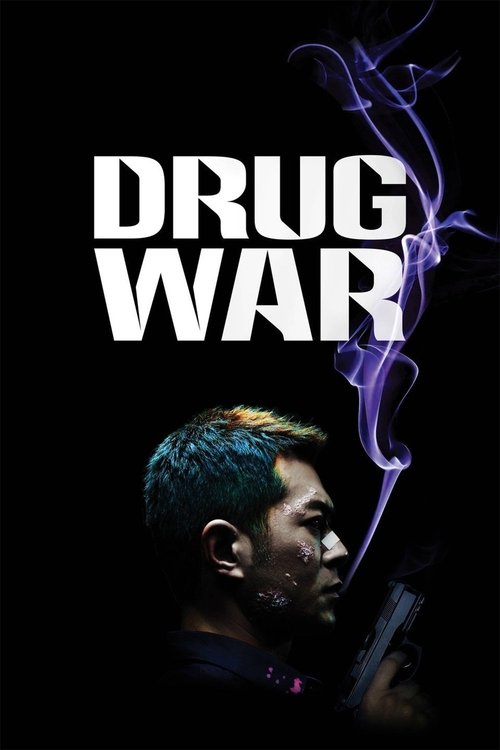
Drug War
A drug cartel boss is arrested in a raid and coerced into betraying his former accomplices as part of an undercover operation.
The film earned $24.7M at the global box office.









Plot Structure
Story beats plotted across runtime


Narrative Arc
Emotional journey through the story's key moments
Story Circle
Blueprint 15-beat structure
Arcplot Score Breakdown
Weighted: Precision (70%) + Arc (15%) + Theme (15%)
Drug War (2012) exemplifies deliberately positioned narrative design, characteristic of Johnnie To's storytelling approach. This structural analysis examines how the film's 15-point plot structure maps to proven narrative frameworks across 1 hour and 47 minutes. With an Arcplot score of 7.1, the film balances conventional beats with creative variation.
Structural Analysis
The Status Quo at 1 minutes (1% through the runtime) establishes Drug manufacturer Timmy Choi crashes his car into a restaurant while fleeing a meth lab explosion, establishing his desperate criminal world.. Significantly, this early placement immediately immerses viewers in the story world.
The inciting incident occurs at 13 minutes when Facing execution, Timmy Choi offers to betray his entire drug network in exchange for his life, fundamentally changing the stakes of the investigation.. At 12% through the film, this Disruption aligns precisely with traditional story structure. This beat shifts the emotional landscape, launching the protagonist into the central conflict.
The First Threshold at 27 minutes marks the transition into Act II, occurring at 25% of the runtime. This reveals the protagonist's commitment to Zhang and his team commit to the undercover operation, with Zhang himself impersonating multiple gang members. They cross into the criminal underworld with no turning back., moving from reaction to action.
At 54 minutes, the Midpoint arrives at 50% of the runtime—precisely centered, creating perfect narrative symmetry. The analysis reveals that this crucial beat A major drug deal succeeds and Zhang's team captures several key players, appearing to gain the upper hand. But the biggest players remain free, raising the stakes., fundamentally raising what's at risk. The emotional intensity shifts, dividing the narrative into clear before-and-after phases.
The Collapse moment at 81 minutes (76% through) represents the emotional nadir. Here, The final confrontation erupts into a massive shootout. Officers are killed, the operation falls apart in chaos and violence, and the carefully constructed plan collapses., indicates the protagonist at their lowest point. This beat's placement in the final quarter sets up the climactic reversal.
The Second Threshold at 86 minutes initiates the final act resolution at 81% of the runtime. Zhang gains critical intelligence about the final targets and commits to seeing the mission through, no matter the cost. The endgame begins., demonstrating the transformation achieved throughout the journey.
Emotional Journey
Drug War's emotional architecture traces a deliberate progression across 15 carefully calibrated beats.
Narrative Framework
This structural analysis employs a 15-point narrative structure framework that maps key story moments. By mapping Drug War against these established plot points, we can identify how Johnnie To utilizes or subverts traditional narrative conventions. The plot point approach reveals not only adherence to structural principles but also creative choices that distinguish Drug War within the action genre.
Comparative Analysis
Additional action films include The Ministry of Ungentlemanly Warfare, The Bad Guys and Lake Placid.
Plot Points by Act
Act I
SetupStatus Quo
Drug manufacturer Timmy Choi crashes his car into a restaurant while fleeing a meth lab explosion, establishing his desperate criminal world.
Theme
Captain Zhang tells Choi that in mainland China, drug trafficking means death penalty - no exceptions. The theme: in this world, there are no second chances.
Worldbuilding
Introduction to the anti-narcotics unit led by Captain Zhang, the rigid mainland Chinese legal system, and Timmy Choi's position in the drug network.
Disruption
Facing execution, Timmy Choi offers to betray his entire drug network in exchange for his life, fundamentally changing the stakes of the investigation.
Resistance
Zhang debates whether to trust Choi, tests his information, and prepares the elaborate undercover operation. Choi reveals details about his bosses and the network structure.
Act II
ConfrontationFirst Threshold
Zhang and his team commit to the undercover operation, with Zhang himself impersonating multiple gang members. They cross into the criminal underworld with no turning back.
Mirror World
The relationship between Zhang and Choi develops - two men on opposite sides of the law forced into an uneasy partnership, mirroring themes of trust and survival.
Premise
The elaborate cat-and-mouse game unfolds as Zhang impersonates various criminals, conducting dangerous drug deals while trying to climb the network to the top bosses.
Midpoint
A major drug deal succeeds and Zhang's team captures several key players, appearing to gain the upper hand. But the biggest players remain free, raising the stakes.
Opposition
The drug lords grow suspicious, the operation becomes increasingly dangerous, and Choi's reliability wavers. The police realize they're dealing with more ruthless enemies than anticipated.
Collapse
The final confrontation erupts into a massive shootout. Officers are killed, the operation falls apart in chaos and violence, and the carefully constructed plan collapses.
Crisis
In the aftermath of devastating violence and loss of life, Zhang must process the cost of the operation and determine how to finish what they started.
Act III
ResolutionSecond Threshold
Zhang gains critical intelligence about the final targets and commits to seeing the mission through, no matter the cost. The endgame begins.
Synthesis
The final operation to capture the top drug lords unfolds with precision and brutality, bringing together all the intelligence gathered throughout the investigation.
Transformation
Timmy Choi faces execution despite his cooperation, and Zhang watches impassively - transformed into a hardened enforcer who has learned there truly are no second chances in this system.