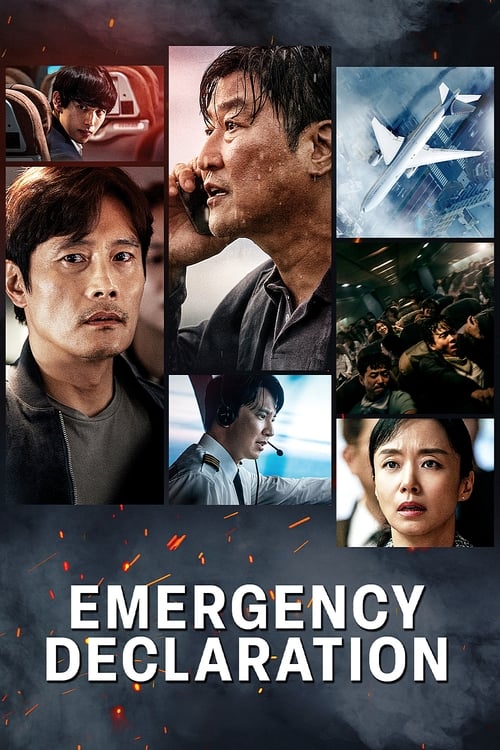
Emergency Declaration
While investigating a terroristic threat that goes viral online, Korean authorities discover that a suspect has recently boarded an international flight bound for the United States. When a healthy passenger on the same flight suddenly dies a gruesome death of unknown cause, panic erupts both in-flight and on the ground. With steadily decreasing fuel and international refusals to offer aid, the captain and crew will be forced to take unprecedented emergency measures in an attempt to save the lives of their passengers.
Working with a respectable budget of $18.1M, the film achieved a respectable showing with $19.2M in global revenue (+6% profit margin).
3 wins & 17 nominations


Plot Structure
Story beats plotted across runtime


Narrative Arc
Emotional journey through the story's key moments
Story Circle
Blueprint 15-beat structure
Arcplot Score Breakdown
Weighted: Precision (70%) + Arc (15%) + Theme (15%)
Emergency Declaration (2022) showcases precise narrative design, characteristic of Han Jae-rim's storytelling approach. This structural analysis examines how the film's 15-point plot structure maps to proven narrative frameworks across 2 hours and 20 minutes. With an Arcplot score of 7.0, the film balances conventional beats with creative variation.
Characters
Cast & narrative archetypes

Park Jae-hyuk
Ryu Jin-seok
Sook-hee
Hyun-soo
Minister of Land, Infrastructure and Transport Sook-ja
Co-pilot Choi
Main Cast & Characters
Park Jae-hyuk
Played by Lee Byung-hun
A veteran detective investigating a bioterror threat who must race against time to save passengers on a doomed flight.
Ryu Jin-seok
Played by Song Kang-ho
A pharmaceutical researcher and passenger on the infected flight who works to understand and combat the mysterious virus.
Sook-hee
Played by Jeon Do-yeon
Jin-seok's wife and fellow passenger who struggles to protect their young daughter during the crisis.
Hyun-soo
Played by Im Si-wan
A troubled young man who boards the flight and becomes the primary suspect in the bioterror attack.
Minister of Land, Infrastructure and Transport Sook-ja
Played by Kim Nam-gil
A government minister who must make impossible decisions about the infected plane and its passengers.
Co-pilot Choi
Played by Kim So-jin
The co-pilot who must take command when the captain becomes incapacitated and navigate the crisis.
Structural Analysis
The Status Quo at 1 minutes (1% through the runtime) establishes Detective In-ho lives an ordinary life with his family, while businessman Jae-hyuk prepares to take a flight with his young daughter, showing the mundane world before catastrophe strikes.. Significantly, this early placement immediately immerses viewers in the story world.
The inciting incident occurs at 18 minutes when Jin-seok releases a deadly virus on Flight KI501 shortly after takeoff, then kills himself. Passengers begin showing symptoms of a rapid, fatal disease, transforming the routine flight into a death trap in the sky.. At 13% through the film, this Disruption is delayed, allowing extended setup of the story world. This beat shifts the emotional landscape, launching the protagonist into the central conflict.
The First Threshold at 36 minutes marks the transition into Act II, occurring at 26% of the runtime. This indicates the protagonist's commitment to Jae-hyuk, despite his paralyzing fear and desire to hide with his daughter, makes the active choice to help fly the plane when the crew becomes incapacitated, committing himself to saving everyone aboard rather than just his own family., moving from reaction to action.
At 71 minutes, the Midpoint arrives at 50% of the runtime—precisely centered, creating perfect narrative symmetry. Significantly, this crucial beat A potential landing site is identified and hope surges, but political forces and public fear cause the permission to be revoked at the last moment. The fuel situation becomes critical, raising the stakes from survival to impossible choices., fundamentally raising what's at risk. The emotional intensity shifts, dividing the narrative into clear before-and-after phases.
The Collapse moment at 105 minutes (75% through) represents the emotional nadir. Here, The plane is denied emergency landing by all nations, fuel is nearly exhausted, and key passengers die including those helping Jae-hyuk. The situation appears hopeless with death imminent for all aboard—the whiff of death is literal and absolute., illustrates the protagonist at their lowest point. This beat's placement in the final quarter sets up the climactic reversal.
The Second Threshold at 112 minutes initiates the final act resolution at 80% of the runtime. In-ho discovers critical information about a potential cure or landing option, while public pressure and a minister's courageous decision provide a breakthrough. Jae-hyuk synthesizes his newfound piloting skills with his determination to save his daughter, gaining clarity for a final desperate attempt., demonstrating the transformation achieved throughout the journey.
Emotional Journey
Emergency Declaration's emotional architecture traces a deliberate progression across 15 carefully calibrated beats.
Narrative Framework
This structural analysis employs a 15-point narrative structure framework that maps key story moments. By mapping Emergency Declaration against these established plot points, we can identify how Han Jae-rim utilizes or subverts traditional narrative conventions. The plot point approach reveals not only adherence to structural principles but also creative choices that distinguish Emergency Declaration within the action genre.
Comparative Analysis
Additional action films include The Bad Guys, Puss in Boots and Venom: The Last Dance.
Plot Points by Act
Act I
SetupStatus Quo
Detective In-ho lives an ordinary life with his family, while businessman Jae-hyuk prepares to take a flight with his young daughter, showing the mundane world before catastrophe strikes.
Theme
A character discusses the fragility of human systems and how quickly normalcy can collapse when faced with unprecedented threats, foreshadowing the film's exploration of collective survival versus individual fear.
Worldbuilding
Introduction of key characters: Jae-hyuk boards Flight KI501 with his daughter despite his fear of flying; Detective In-ho investigates suspicious online activities; the bio-terrorist Ryu Jin-seok prepares his deadly plan; various passengers board with their own stories.
Disruption
Jin-seok releases a deadly virus on Flight KI501 shortly after takeoff, then kills himself. Passengers begin showing symptoms of a rapid, fatal disease, transforming the routine flight into a death trap in the sky.
Resistance
Chaos erupts on the plane as passengers fall ill and die. The crew debates emergency landing options. On the ground, In-ho pieces together Jin-seok's plan. Countries refuse landing permission, fearing contamination. Jae-hyuk must decide whether to take action or protect only his daughter.
Act II
ConfrontationFirst Threshold
Jae-hyuk, despite his paralyzing fear and desire to hide with his daughter, makes the active choice to help fly the plane when the crew becomes incapacitated, committing himself to saving everyone aboard rather than just his own family.
Mirror World
In-ho's relationship with his own family and his determination to save the passengers mirrors Jae-hyuk's struggle, creating a ground-air partnership that embodies the theme of collective responsibility and sacrifice for the greater good.
Premise
The promise of the premise: a race against time as the plane searches for a place to land. Jae-hyuk learns to fly with ground support while passengers die around him. In-ho investigates the cure and fights bureaucracy. International tensions rise as nations refuse asylum to the infected flight.
Midpoint
A potential landing site is identified and hope surges, but political forces and public fear cause the permission to be revoked at the last moment. The fuel situation becomes critical, raising the stakes from survival to impossible choices.
Opposition
Desperation intensifies as fuel runs critically low. More passengers die. Governments refuse landing rights due to public panic. In-ho faces opposition from his own superiors. The flight must choose between attempting an unauthorized landing or certain death in the air.
Collapse
The plane is denied emergency landing by all nations, fuel is nearly exhausted, and key passengers die including those helping Jae-hyuk. The situation appears hopeless with death imminent for all aboard—the whiff of death is literal and absolute.
Crisis
Jae-hyuk confronts his deepest fears and the possibility of his daughter's death. In-ho processes the weight of potential mass casualties. Both men face their dark night, questioning if their efforts have been futile against systemic failure and human selfishness.
Act III
ResolutionSecond Threshold
In-ho discovers critical information about a potential cure or landing option, while public pressure and a minister's courageous decision provide a breakthrough. Jae-hyuk synthesizes his newfound piloting skills with his determination to save his daughter, gaining clarity for a final desperate attempt.
Synthesis
The finale: Jae-hyuk attempts an emergency landing with minimal fuel and guidance. In-ho coordinates ground support against political opposition. The plane makes its desperate approach, lives hanging in balance. The synthesis of personal courage and collective action determines survival.
Transformation
Survivors emerge from the ordeal transformed. Jae-hyuk, who began paralyzed by fear of flying, has become a hero who saved lives. The closing image shows the human cost but also the triumph of those who chose collective good over self-preservation.