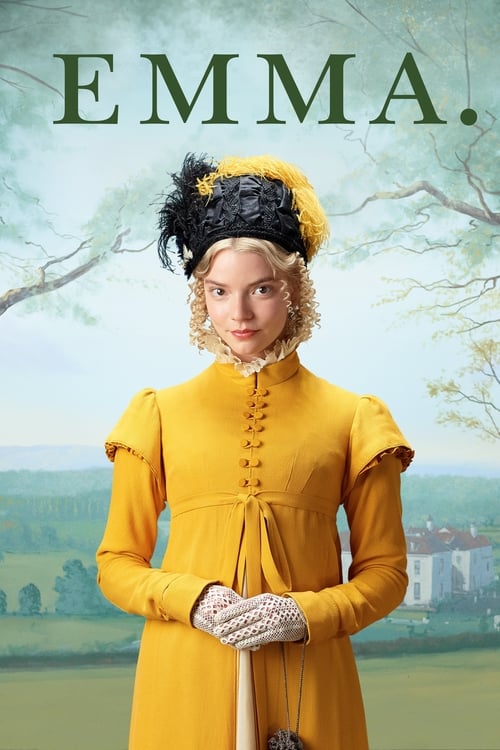
Emma.
In 1800s England, a well-meaning but selfish young woman meddles in the love lives of her friends.
Despite its tight budget of $10.0M, Emma. became a solid performer, earning $25.2M worldwide—a 152% return.
Nominated for 2 Oscars. 8 wins & 53 nominations


Plot Structure
Story beats plotted across runtime


Narrative Arc
Emotional journey through the story's key moments
Story Circle
Blueprint 15-beat structure
Arcplot Score Breakdown
Weighted: Precision (70%) + Arc (15%) + Theme (15%)
Emma. (2020) demonstrates meticulously timed dramatic framework, characteristic of Autumn de Wilde's storytelling approach. This structural analysis examines how the film's 15-point plot structure maps to proven narrative frameworks across 2 hours and 5 minutes. With an Arcplot score of 6.9, the film balances conventional beats with creative variation.
Characters
Cast & narrative archetypes

Emma Woodhouse
George Knightley
Harriet Smith
Frank Churchill
Jane Fairfax
Mr. Elton
Miss Bates
Mr. Woodhouse
Main Cast & Characters
Emma Woodhouse
Played by Anya Taylor-Joy
A wealthy, clever young woman who delights in matchmaking but is blind to her own romantic feelings.
George Knightley
Played by Johnny Flynn
Emma's longtime friend and brother-in-law who often challenges her schemes with gentle criticism.
Harriet Smith
Played by Mia Goth
A sweet, naive young woman whom Emma takes under her wing and attempts to match with various suitors.
Frank Churchill
Played by Josh O'Connor
A charming, flirtatious young man whose arrival creates romantic confusion and intrigue.
Jane Fairfax
Played by Amber Anderson
An accomplished, reserved young woman who becomes the subject of Emma's jealousy and speculation.
Mr. Elton
Played by Josh Herdman
A social-climbing vicar who misinterprets Emma's attentions and proposes to her instead of Harriet.
Miss Bates
Played by Miranda Hart
A kind, talkative spinster whose feelings Emma cruelly hurts during a picnic outing.
Mr. Woodhouse
Played by Bill Nighy
Emma's elderly, anxious father who fears change and worries excessively about health.
Structural Analysis
The Status Quo at 1 minutes (1% through the runtime) establishes Emma Woodhouse presides over Harriet Smith's wedding as matchmaker, basking in her success and privileged position in Highbury society. She is "handsome, clever, and rich" - perfectly content in her self-satisfaction.. Notably, this early placement immediately immerses viewers in the story world.
The inciting incident occurs at 15 minutes when Emma decides to matchmake Harriet with Mr. Elton, the vicar, declaring Robert Martin (a farmer) beneath Harriet's station. This active choice to meddle sets the main plot in motion and disrupts the natural course of events.. At 12% through the film, this Disruption aligns precisely with traditional story structure. This beat shifts the emotional landscape, launching the protagonist into the central conflict.
The First Threshold at 32 minutes marks the transition into Act II, occurring at 25% of the runtime. This shows the protagonist's commitment to In the carriage after the Christmas party, Mr. Elton confesses his love for Emma, not Harriet, revealing Emma's complete misreading of the situation. Emma's matchmaking scheme collapses and she enters the world of consequences., moving from reaction to action.
At 63 minutes, the Midpoint arrives at 50% of the runtime—precisely centered, creating perfect narrative symmetry. Significantly, this crucial beat The Donwell Abbey strawberry picking party and Box Hill excursion. Emma feels triumphant in her social position and flirtation with Frank Churchill. She is at the height of her confidence, not yet aware this is a false victory built on misunderstandings., fundamentally raising what's at risk. The emotional intensity shifts, dividing the narrative into clear before-and-after phases.
The Collapse moment at 92 minutes (74% through) represents the emotional nadir. Here, Harriet reveals she loves Mr. Knightley and believes he returns her affection. Emma realizes with horror that she herself loves Knightley and has potentially lost him through her own meddling. Her illusions about herself die., illustrates the protagonist at their lowest point. This beat's placement in the final quarter sets up the climactic reversal.
The Second Threshold at 100 minutes initiates the final act resolution at 80% of the runtime. Emma visits Miss Bates to apologize, demonstrating genuine humility and change. Mr. Knightley witnesses this transformation. This act of contrition, combining her old social skills with new self-awareness, enables the resolution., demonstrating the transformation achieved throughout the journey.
Emotional Journey
Emma.'s emotional architecture traces a deliberate progression across 15 carefully calibrated beats.
Narrative Framework
This structural analysis employs proven narrative structure principles that track dramatic progression. By mapping Emma. against these established plot points, we can identify how Autumn de Wilde utilizes or subverts traditional narrative conventions. The plot point approach reveals not only adherence to structural principles but also creative choices that distinguish Emma. within the comedy genre.
Comparative Analysis
Additional comedy films include The Bad Guys, Ella Enchanted and The Evening Star.
Plot Points by Act
Act I
SetupStatus Quo
Emma Woodhouse presides over Harriet Smith's wedding as matchmaker, basking in her success and privileged position in Highbury society. She is "handsome, clever, and rich" - perfectly content in her self-satisfaction.
Theme
Mr. Knightley warns Emma about the dangers of matchmaking: "She will never submit to anything requiring industry and patience." The theme of self-knowledge versus self-deception is established.
Worldbuilding
Introduction to Emma's world: her relationship with her hypochondriac father, former governess Miss Taylor's recent marriage, Emma's friendship with Harriet Smith, and the social hierarchy of Highbury. Emma decides to take Harriet under her wing.
Disruption
Emma decides to matchmake Harriet with Mr. Elton, the vicar, declaring Robert Martin (a farmer) beneath Harriet's station. This active choice to meddle sets the main plot in motion and disrupts the natural course of events.
Resistance
Emma orchestrates opportunities for Harriet and Mr. Elton, dismissing Robert Martin's proposal letter and encouraging Harriet to refuse him. Mr. Knightley debates with Emma about her interference. Emma paints Harriet's portrait, which Mr. Elton praises excessively.
Act II
ConfrontationFirst Threshold
In the carriage after the Christmas party, Mr. Elton confesses his love for Emma, not Harriet, revealing Emma's complete misreading of the situation. Emma's matchmaking scheme collapses and she enters the world of consequences.
Mirror World
Frank Churchill is introduced to the story (though not yet seen), and Jane Fairfax arrives in Highbury. These characters will serve as mirrors - Frank as a potential romantic match and Jane as Emma's social equal who embodies the accomplishment Emma lacks.
Premise
Emma deals with the fallout: apologizing to Harriet, Mr. Elton's departure, and his return with bride Augusta. Frank Churchill finally arrives and Emma enjoys flirting with him. New social dynamics emerge with Jane Fairfax, and Emma continues observing and speculating about others' romances.
Midpoint
The Donwell Abbey strawberry picking party and Box Hill excursion. Emma feels triumphant in her social position and flirtation with Frank Churchill. She is at the height of her confidence, not yet aware this is a false victory built on misunderstandings.
Opposition
At Box Hill, Emma publicly humiliates Miss Bates with a cruel joke. Mr. Knightley rebukes her sharply. Emma begins to see her own flaws. Frank Churchill becomes engaged to Jane Fairfax (revealed), exposing Emma's blindness. Harriet confesses love for Mr. Knightley.
Collapse
Harriet reveals she loves Mr. Knightley and believes he returns her affection. Emma realizes with horror that she herself loves Knightley and has potentially lost him through her own meddling. Her illusions about herself die.
Crisis
Emma sits with her despair, reflecting on all her mistakes: hurting Miss Bates, misjudging Frank and Jane, manipulating Harriet, and failing to understand her own heart. She experiences genuine remorse and self-awareness for the first time.
Act III
ResolutionSecond Threshold
Emma visits Miss Bates to apologize, demonstrating genuine humility and change. Mr. Knightley witnesses this transformation. This act of contrition, combining her old social skills with new self-awareness, enables the resolution.
Synthesis
Mr. Knightley confesses his love for Emma. She accepts with newfound humility. They navigate how to marry without leaving her father. Harriet becomes engaged to Robert Martin (her true match all along). All relationships find their proper alignment.
Transformation
Emma and Mr. Knightley's wedding. Unlike the opening wedding where Emma stood apart as orchestrator, she now participates as an equal partner, having gained self-knowledge and humility. She has transformed from manipulator to participant in life.